
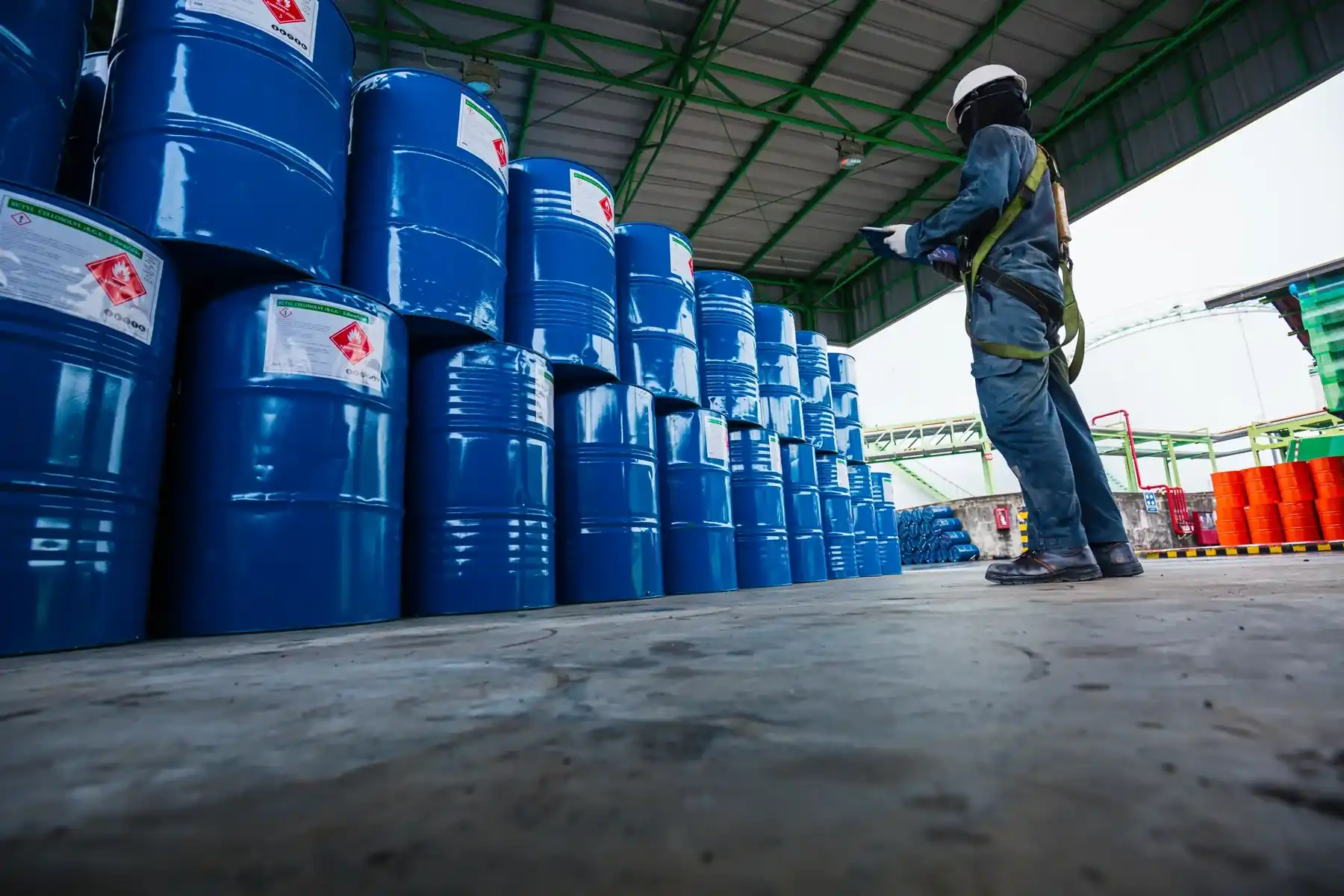
Waste services for industry
Waste Audit
A waste audit reviews what your site produces, how it is stored and where it goes. The result is a practical baseline covering segregation, container use, duty of care paperwork and the main cost drivers.
What a waste audit examines
A waste audit is not a single inspection. It is a methodical look at the waste your site generates, the routes it takes and the records that support those routes. The scope can be one building, a production line, a warehouse and yard, or a whole estate. The useful output is a baseline that shows where material is being lost to general waste, where containers are the wrong size or type, and where paperwork does not match what actually leaves site.
We can help with business waste audits that cover the physical operation and the administrative side together. That matters because a segregation problem is often also a records problem. If a skip is labelled for dry mixed recycling but receives production offcuts, the transfer note and the receiving site’s expectations will not reflect reality.
Walk-round by area and stream inventory
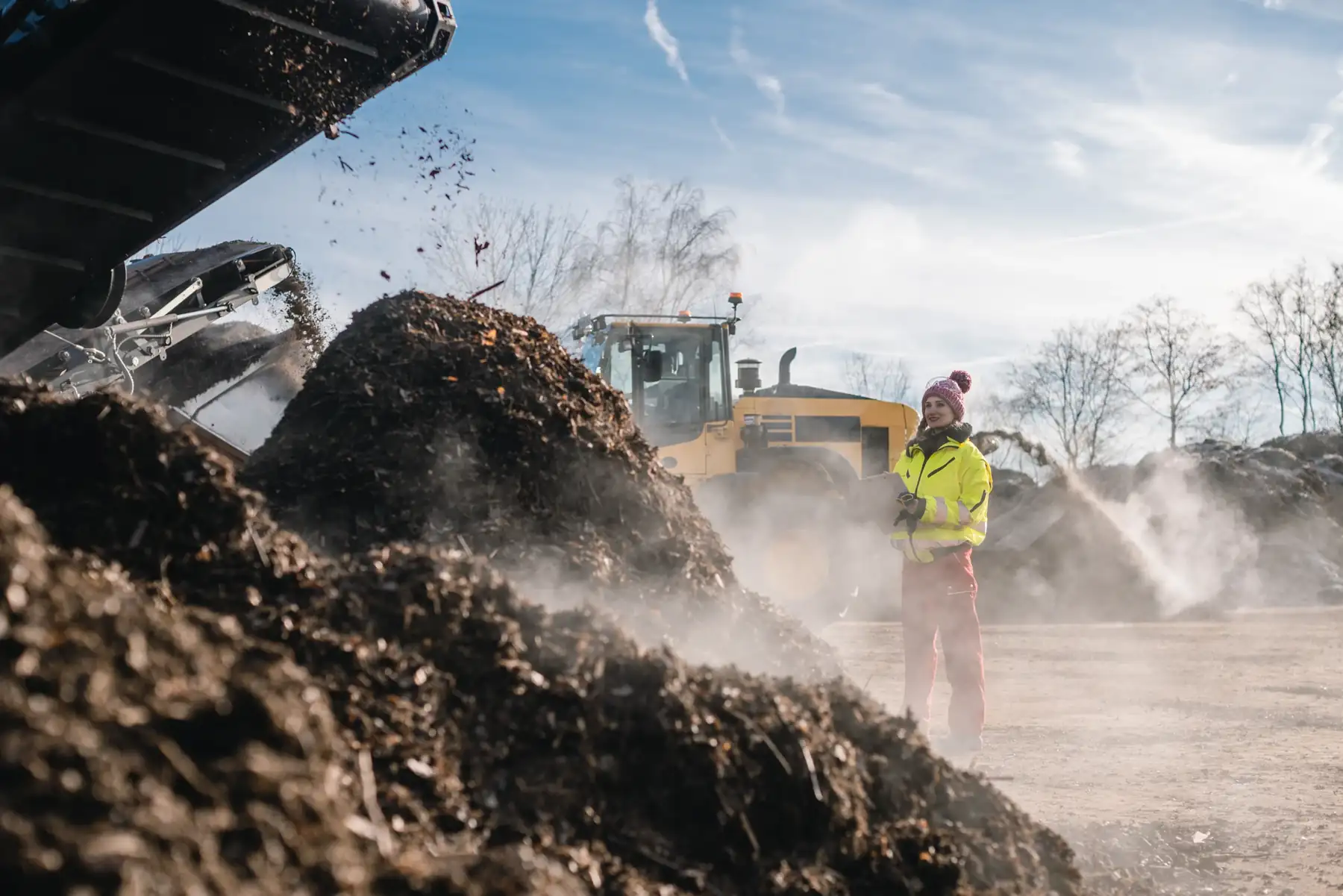
The walk-round is organised by area rather than by waste type, because that is how waste is generated. A typical audit moves through goods-in, production, packing, canteen, maintenance, stores and external storage. At each point the auditor records what is produced, roughly how much, how often, and what happens to it next.
The stream inventory lists each material separately. The audit should follow what the site actually produces, which may include cardboard, plastic film, mixed packaging, wood, metal, food, oils, solvents, batteries, WEEE and general waste. For each stream the audit notes:
- the source and frequency of generation;
- current container type, size and collection frequency;
- whether the material is segregated at source or mixed;
- contamination visible in the container;
- the receiving site or treatment route named on paperwork.
Estimating quantities is part of the exercise. Container volume and lift frequency give a rough figure, and that is usually enough to compare streams and spot where a change would have the most effect. Where a material is high value or high risk, a more careful measurement may be justified.
Container and lift review
Containers are often inherited rather than chosen. A 1100 litre bin may be emptied weekly because that was the arrangement years ago, while the actual fill level is half. A compactor may be running below its efficient throughput, or a baler may be underused because the bale handling area is awkward.
The audit reviews container type against material, volume against frequency, and access against vehicle. It also looks at whether the storage area allows safe movement and whether containers can be presented and returned without blocking fire routes or loading bays. For compactors and balers, the review considers throughput, power and service access. We can help with container changes and equipment decisions where the audit shows a mismatch, including waste compactor hire and cardboard balers.
Paperwork and duty of care checks
The duty of care code of practice sets out what a waste producer should do to check that waste is managed correctly. In practice that means keeping transfer notes, checking that carriers are appropriately authorised, and having a reasonable understanding of where material goes. The code applies in England and Wales, and separate codes apply in Scotland and Northern Ireland. If you operate across borders, more than one set of rules can apply to the same movement.
A duty of care audit reviews the documents you hold against the movements you make. It looks for gaps such as missing transfer notes, descriptions that do not match the material, carriers whose authorisation cannot be confirmed, and receiving sites that are not authorised for the waste in question. The audit does not certify compliance. It identifies where records are incomplete or inconsistent so they can be corrected. Waste documentation supports traceability; it does not by itself prove legal compliance.
Where classification is uncertain, the audit flags it rather than guessing. Hazardous classification depends on the composition and properties of the waste, not on its name. The Environment Agency’s waste classification technical guidance is the reference for that assessment, and hazardous waste has additional requirements in each nation.

Cost baseline and improvement plan
The cost baseline brings together collection charges, container rental, equipment costs, disposal or treatment charges and any internal handling time that can be estimated. It is not a price list. It is a way of seeing which streams cost the most and where a change would be worth testing.
The improvement plan sets out practical actions in order of effort and likely effect. Typical items include:
- moving a material from general waste to a separate recycling stream;
- changing container size or collection frequency to match fill levels;
- adding signage and labelled bins at the point of generation;
- correcting transfer note descriptions and carrier records;
- preparing for Simpler Recycling requirements where they apply.
Simpler Recycling changes what businesses in England must separate for collection. The requirements differ by nation, so the audit checks the position for the site’s location rather than applying one rule everywhere. We can help with Simpler Recycling readiness as part of the plan.
Recycling targets and segregation design
Targets need a collection system that staff can use in practice. If cardboard is generated on a packing line but the baler or collection point is elsewhere, the audit should consider whether bin placement, handling and internal movements are making segregation harder than it needs to be.
Segregation design covers bin placement, colour coding, signage, responsibility and the point at which material is consolidated. For mixed recycling, the audit checks what the receiving site accepts, since contamination rules vary. We can help with dry mixed recycling and with industrial recycling where several streams need to be separated and managed together.
When an audit is worth doing
An audit is useful before a contract renewal, after a change in production, when waste costs rise without an obvious reason, or when a site is preparing for a new separation requirement. It is also useful when a business has inherited arrangements and cannot explain why a container is the size it is.
For a first look at your own paperwork, the waste duty of care checker produces a nation-specific checklist of questions and records to gather. It is a starting point, not a substitute for a site review. A full audit adds the physical walk-round and the container and cost analysis that a desk exercise cannot provide.
If you want to discuss scope, areas to include and what the output should cover, contact us.
Free online tool
Waste Duty of Care Checker
Review common waste paperwork and collection questions relevant to your site.
Common questions
Frequently asked questions
How long does a waste audit take?
It depends on site size, the number of waste streams and how much paperwork needs checking. A single building with a few streams can be covered in a short visit. A multi-area site with several production processes and many carriers takes longer. The scope is agreed before the visit so the time is used on the areas that matter most.
Does a waste audit make my business compliant?
No. An audit identifies gaps and inconsistencies in segregation, containers and records. Correcting them is a management action. Waste documentation supports traceability, but it does not by itself prove legal compliance, and the duty of care remains with the waste producer.
Can you audit our waste carriers and receiving sites?
We can review the records you hold, including carrier authorisation details and the receiving sites named on transfer notes. The duty of care code of practice expects producers to make reasonable checks. Where authorisation cannot be confirmed from the documents available, the audit flags it for you to follow up.
Do the rules differ across the UK?
Yes. The duty of care code of practice applies in England and Wales, and Scotland and Northern Ireland have their own codes. Simpler Recycling requirements also differ by nation. An audit for a site in one nation should be based on the rules that apply there, and cross-border movements may need more than one set of requirements to be considered.
What do we receive at the end of the audit?
The output typically includes a stream inventory, a container and lift review, a summary of paperwork gaps, a cost baseline and an improvement plan with actions in order of priority. The exact contents depend on the agreed scope, so it is worth confirming what you need before the audit begins.
Request a quote
Complete the form and we will get back to you.