
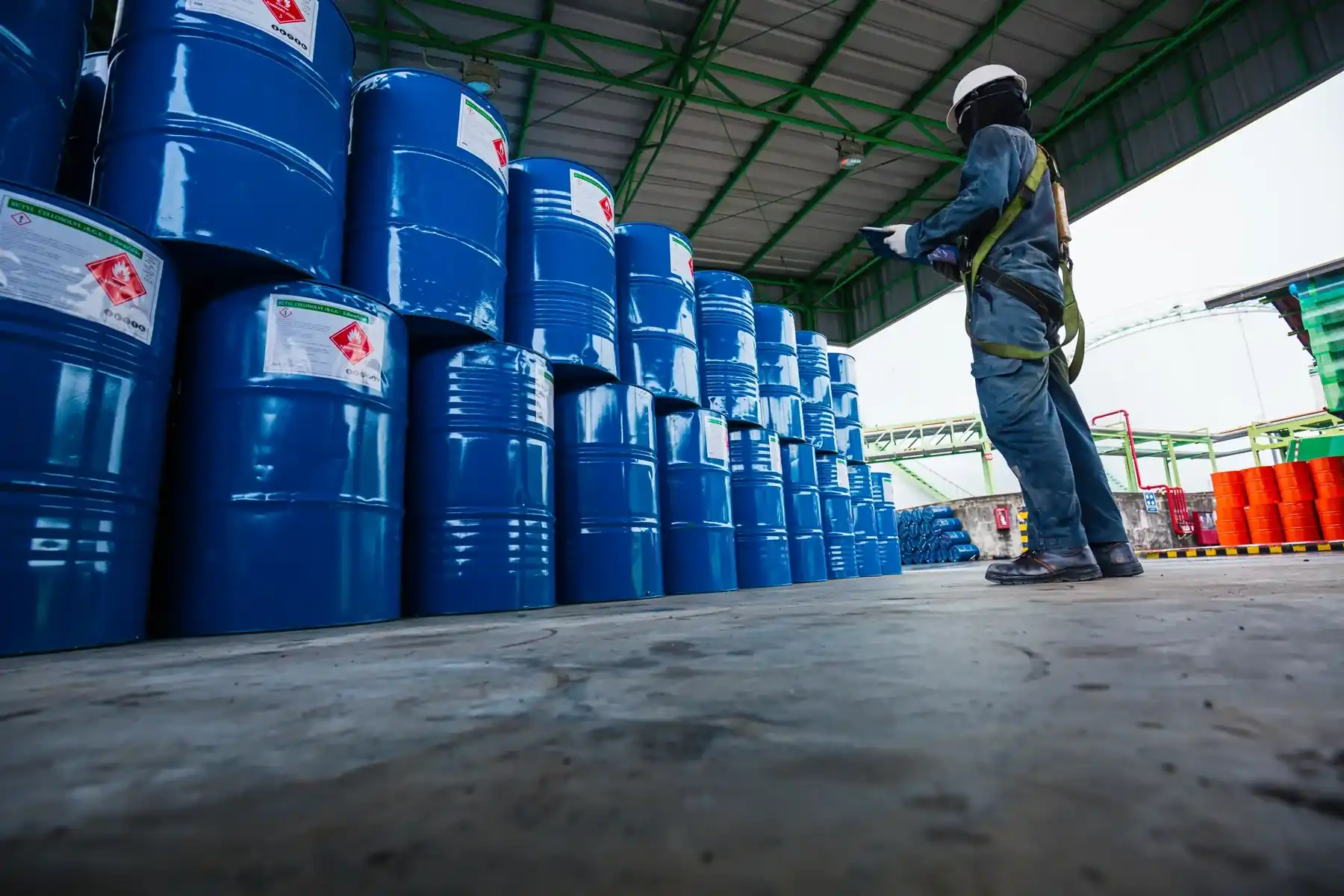
Waste services for industry
Waste Management Plan
A waste management plan sets out what waste a site produces, where it is stored, who controls it and how it leaves the site. It works when it matches the actual process, not a generic template. We can help with planning, audits and the practical arrangements behind it.
What a waste management plan is for
A waste management plan is a working document that describes the waste streams a site produces, how each one is kept apart, who is responsible for it and what happens to it when it leaves. It is not a certificate and it does not replace a waste duty of care check or a waste classification. It is the site level record that makes those things easier to do properly.
The plan should reflect the process. A factory making coated components has different streams from a warehouse or a demolition project. Start with what is actually produced, in what quantity and where. Then decide how it will be stored, moved and described on paperwork.
We can help with waste audits, segregation planning and the practical arrangements that sit behind a plan, including waste audit work and container selection.
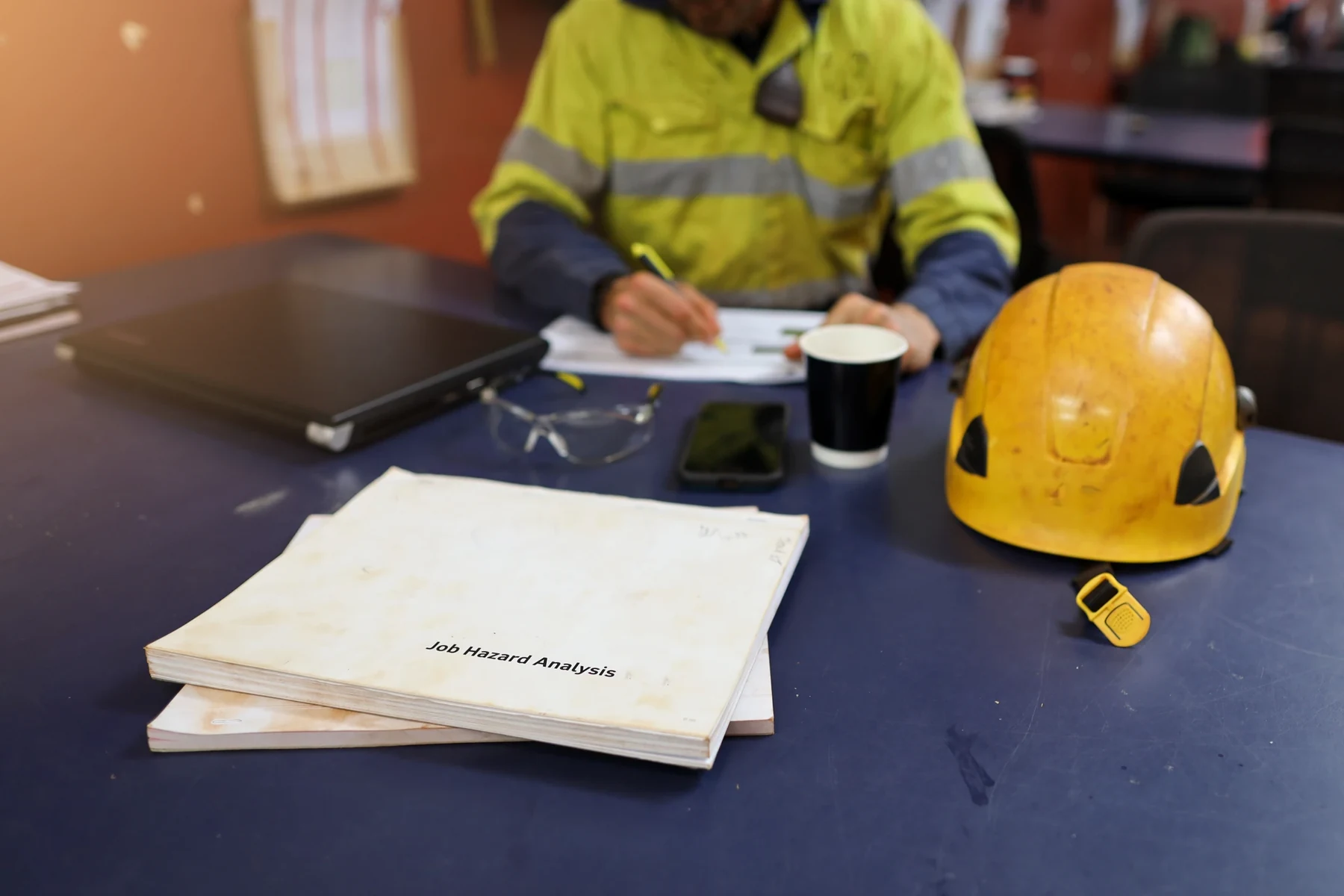
Building the waste inventory
The inventory is the core of the plan. Walk the site and record each waste by area, not by waste type alone. A paint shop, a canteen, a maintenance bay and a loading yard each produce different things and need different controls.
For each stream, record:
- Where it arises and roughly how much per week or per project.
- Its physical form: solid, sludge, liquid, drummed, bulky or loose.
- Whether it is likely to be hazardous. A name alone does not decide this. Classification follows the Environment Agency technical guidance WM3 and may need testing or supplier information.
- How it is currently stored and whether that storage is suitable.
- Who inside the business owns that stream.
Do not treat a waste as non hazardous because it has been dewatered or because it looks inert. Dewatering reduces volume and can change how a waste is handled, but it does not by itself change its classification.
Segregation and container planning
Segregation can protect recoverable material and may reduce disposal costs. Mixed waste is harder to recycle and can turn a non hazardous load into a hazardous one if the wrong item is dropped in. The plan should state what goes in each container and what must never go in it.
Container choice follows the stream. Loose cardboard suits a baler or a dedicated collection. Liquids need containment and a compatible container. Oily waste should be kept away from general dry mixed recycling. Batteries and electrical items need separate handling because of fire risk and because they fall under separate rules.
Label containers clearly. Use the waste description that will appear on the paperwork, not an internal nickname. If a container is used for more than one stream over time, record the change and clean it where needed.
We can help with container planning, compactor and baler selection and collection arrangements for industrial waste collection.
Responsibilities and site rules
A plan without named responsibilities tends to fail quietly. Set out who checks containers, who signs waste transfer notes, who reviews the plan and who deals with a spill or a rejected load.
Site rules should cover:
- What staff and contractors may put in each container.
- Who to contact if an unknown substance is found.
- How waste is moved from production areas to storage.
- What happens if a container is contaminated or overfilled.
For construction projects, a site waste management plan is no longer a statutory requirement in England, but clients, principal contractors and procurement rules often still ask for one. In Wales, Scotland and Northern Ireland the position differs, so confirm what applies to the project location before relying on an England only assumption.

Contractor and paperwork checks
The plan should describe how waste leaving site is controlled. That means checking that the carrier is registered, that the receiving site is authorised to take that waste and that the description on the transfer note matches what is in the container.
Waste documentation supports traceability. It does not prove legal compliance on its own. Keep transfer notes, hazardous waste consignment notes and any classification records together so they can be found during a review or an inspection.
For hazardous waste, England, Wales, Scotland and Northern Ireland each have their own requirements. A consignment note system used in one nation may not match the rules in another. Check the rules for the nation where the waste is produced and where it is received.
We can help with waste transfer note records and hazardous waste management arrangements.
Emergency and spill steps
Include a short section on what happens when something goes wrong. A drum leaks, a container is contaminated, a load is rejected or an unknown liquid appears in a yard. The plan should say who is contacted, how the area is isolated and how the material is described for safe handling.
Do not include DIY procedures for hazardous or confined space work. Work in tanks, silos, drains and similar areas may involve confined-space or other safety risks and needs competent assessment and appropriate controls. The plan can record that such work is controlled under the relevant regulations, but it should not attempt to replace them.
Targets, monitoring and review
Targets should be measurable and tied to the streams in the inventory. Examples include reducing general waste volume, increasing segregation of cardboard or metal, or cutting the number of rejected loads. Avoid targets that cannot be measured with the records the site already keeps.
Review the plan when the process changes, when a new stream appears, when a contractor changes or after an incident. A plan written once and filed away can quickly stop matching the site.
For wider context, see waste hierarchy and zero waste to landfill.
Using a template and checking the plan
A template is a starting point, not a finished plan. The structure matters more than the wording: inventory by area, container plan, segregation rules, responsibilities, contractor and paperwork checks, emergency steps, targets and review.
Our waste duty of care checker produces a nation specific collection checklist that can be printed or saved as a browser PDF and used to prefill an enquiry. It is a prompt for questions, not a regulatory certification. The plan still needs site specific detail.
If you are unsure where to begin, a waste audit gives a factual baseline. We can help with the audit, the plan structure and the collection arrangements that follow.
Free online tool
Waste Duty of Care Checker
Review common waste paperwork and collection questions relevant to your site.
Common questions
Frequently asked questions
Is a site waste management plan a legal requirement?
In England, the site waste management plan regulations were revoked in 2013, so a plan is not generally a statutory requirement there. However, clients, principal contractors and procurement rules often require one. Wales, Scotland and Northern Ireland have their own positions, so confirm what applies to the project location.
Does a waste management plan replace waste classification?
No. Classification follows the Environment Agency technical guidance WM3 and may need testing or supplier information. A plan records how a waste is managed on site, but it does not decide whether a waste is hazardous.
Can I use a template for a construction project?
A template can provide structure, but it must be adapted to the actual streams, areas and contractors on the project. A generic plan that does not match the site is unlikely to be useful during a review or inspection.
How often should a waste management plan be reviewed?
Review it when the process changes, a new waste stream appears, a contractor changes or after an incident. A plan that is written once and filed away can quickly stop matching the site.
Request a quote
Complete the form and we will get back to you.