
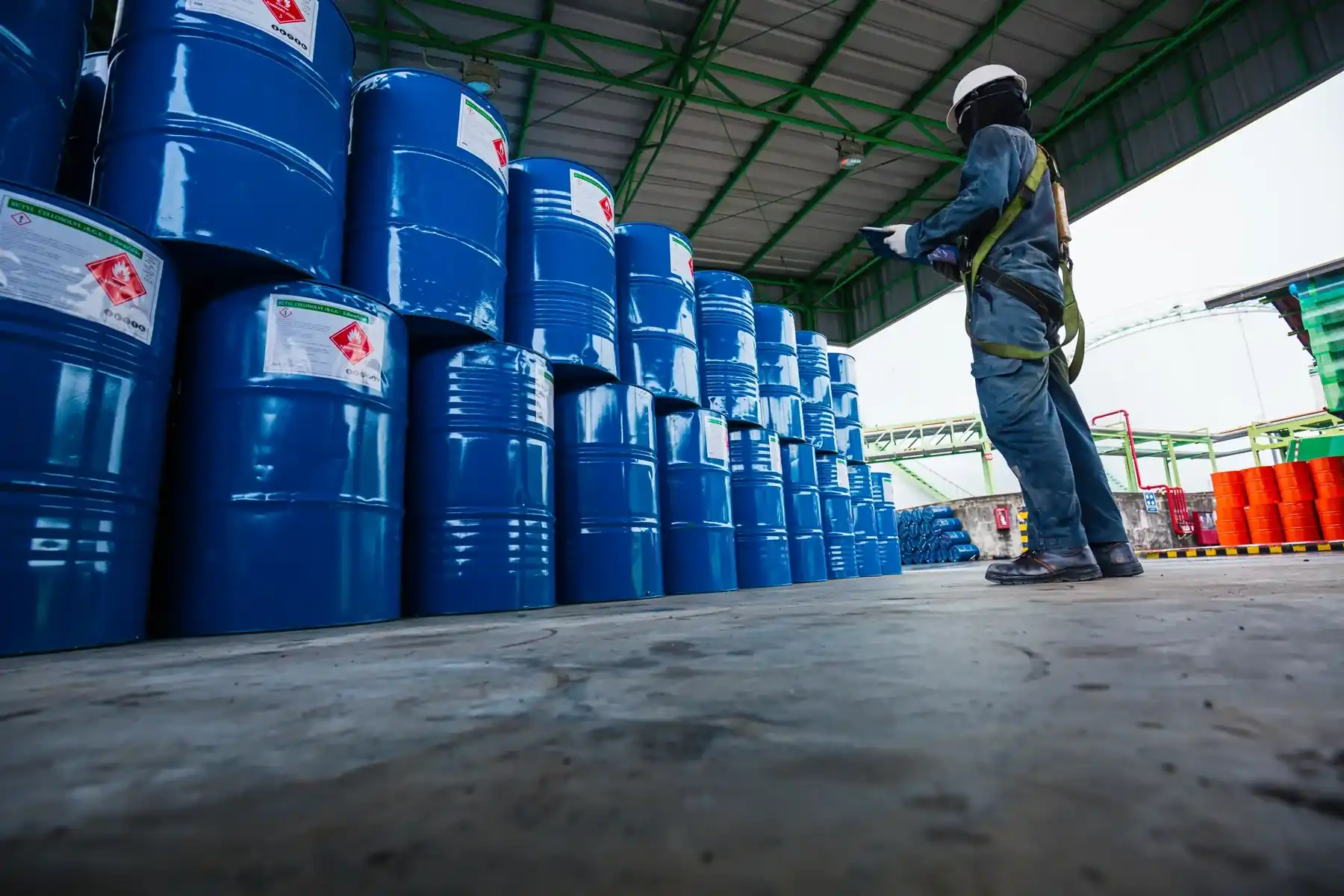
Waste services for industry
Roll On Roll Off Skip Hire
A roll on roll off container is a large open or enclosed unit delivered and collected by a specialist vehicle. The container size, waste type and site access determine how the job is planned. We can help with roro skip hire for industrial waste streams.
What Roll On Roll Off Skip Hire Covers
Roll on roll off skip hire is used for larger volumes of waste where a standard skip may not be practical. A roro container is delivered and collected by a specialist vehicle and can be left on site or exchanged as required. We can help arrange roro skip hire for suitable industrial and commercial waste streams, subject to the waste type, site access and supplier acceptance.
The container is not a single product. A 20 yard, 35 yard and 40 yard unit differ in length, height and payload. An open container suits bulky waste loaded by hand or machine. An enclosed container suits lighter, drier material that could blow out or be affected by rain. The choice depends on what is being thrown away, how heavy it is and how it will be loaded.
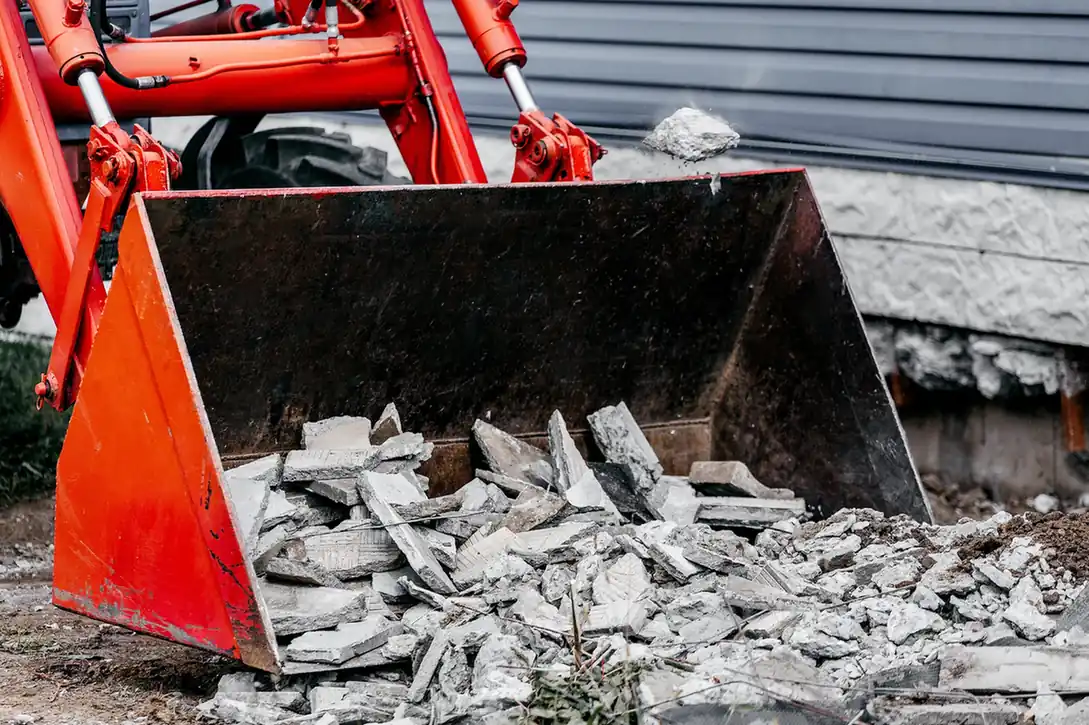
RoRo Container Sizes And What They Hold
RoRo containers are described by volume in cubic yards, but exact dimensions, payloads and available sizes vary by supplier and container design. This page compares 20, 35 and 40 yard examples. Larger units generally need more space for delivery and collection, so the site layout needs to be checked against the actual container offered.
Volume is only part of the picture. The allowable load depends on the container, vehicle, waste and transport limits. Dense material such as soil, rubble or metal can reach the permitted load before the container is full by volume, while light packaging can fill the available space first. The supplier should confirm the acceptable waste and load limits for the container offered.
- 20 yard: suitable for smaller industrial clearances and tighter yards.
- 35 yard: a common middle size for mixed commercial and industrial waste.
- 40 yard: the largest common size, useful for bulky light waste and large volumes.
Open and enclosed versions are available in several of these sizes. Enclosed units are often used for dry mixed recycling, cardboard and light packaging. Open units are used for construction waste, timber, metal and general industrial waste.
Site Access And Hard Standing
Delivery and collection need suitable access and a stable placement area. Vehicle size, turning space, ground conditions, slopes, drains and overhead obstructions can all affect whether a container can be safely placed and collected. The supplier should confirm the site requirements for the vehicle and container being used.
Access notes should cover the entrance width, turning space, overhead obstructions and the surface. If a container is to be placed on a public highway, check the relevant local authority requirements before booking because permissions and conditions vary.
There are two common service patterns. An exchange service swaps a full container for an empty one. A wait and load service keeps the vehicle on site while the container is loaded and then taken away. Wait and load can suit short jobs where there is no space to leave a container, but it needs the loading to be ready when the vehicle arrives.
Segregated RoRo Containers For Different Materials
Using one container for everything is simple, but it can make recycling harder and increase disposal costs. Segregated containers keep materials apart at the point of production. Common separations include wood, metal, cardboard and general waste. Each stream has different processing routes and different contamination risks.
Wood can be recycled or used for energy recovery depending on grade and treatment. Metal is usually recycled and can attract a different charge or rebate. Cardboard is best kept dry, which is where an enclosed container helps. General waste goes for treatment or disposal. Mixing these streams can turn a recyclable material into general waste and can affect the documentation.
For sites producing large volumes of one material, a dedicated container may be better than a mixed unit. For sites with changing waste, a mixed container with a clear list of what is not allowed may be more practical. The waste classification and the receiving site’s rules determine what can be accepted.
Pairing RoRo Containers With Static Compactors
A static compactor can reduce the volume of suitable compactable waste before collection and may reduce collection frequency where volumes justify it. The waste type, compactor design and receiving container all need to be compatible, so equipment suitability should be confirmed for the material being handled.
Compactors need power, a level base and enough space for the container to be exchanged. The container size and the compactor model need to match. If the compactor is too large for the container, waste may not discharge properly. If it is too small, the container may not fill efficiently. We can help with waste compactor hire where compaction is being considered alongside roro containers.
Waste Types, Classification And Documentation
Not all industrial waste is the same. Some waste is hazardous, and classification depends on the material and its contaminants, not just its name. The correct transfer, consignment and tracking records depend on the waste classification and the part of the UK in which the movement takes place. These records support traceability but do not by themselves prove that the waste has been managed correctly.
Waste classification follows technical guidance. A material that looks similar to another can have a different code because of coatings, oils or other contamination. If a waste is hazardous, it must go to a suitably permitted site and be tracked separately. We can help with hazardous waste management where a stream needs classification and a permitted route.
For general industrial waste, a waste transfer note records the waste type, the container, the date and the parties involved. The description should match what is actually in the container. If the load contains something not declared, it can be rejected and the site may need to deal with it again.
Choosing The Right Container For The Job
The starting point is the waste itself. List the materials, estimate the volume and note anything heavy, wet or potentially hazardous. Then look at the site. Measure the access, check the ground and decide whether the container will be left or exchanged. Finally, consider how often the container will be filled and whether segregation is practical.
A single 40 yard container may be right for a one-off clearance of light bulky waste. A pair of 20 yard containers may be better where access is tight or where two waste streams need to be kept apart. A 35 yard container with an exchange service may suit a steady production line. The answer depends on the site and the waste, not on a standard package.
We can help with roll on roll off skip hire for industrial and commercial sites. To move a request forward, the useful details are the waste type, the approximate volume, the access notes and whether the container will be exchanged or wait and load. For related services, see commercial skip hire, waste compactor hire and industrial waste collection.
Free online tool
Waste Duty of Care Checker
Review common waste paperwork and collection questions relevant to your site.
Common questions
Frequently asked questions
What size roro container do I need?
It depends on the waste type, volume, weight and site access. Exact dimensions and payloads vary by supplier, so the container offered should be checked against the material and the available delivery space.
Can a roro container be placed on the road?
If a roro container is to be placed on a public highway, check the relevant local authority requirements before booking. Permissions and conditions vary, and access and ground conditions still need to be suitable.
What is the difference between exchange and wait and load?
An exchange service swaps a full container for an empty one. A wait and load service keeps the vehicle on site while the container is loaded and then taken away. Wait and load can suit short jobs where there is no space to leave a container.
Can I put hazardous waste in a roro container?
Hazardous waste needs a permitted route and correct classification. It should not be mixed with general waste. The classification depends on the material and its contaminants, not just its name. We can help with hazardous waste management where this applies.
Request a quote
Complete the form and we will get back to you.