
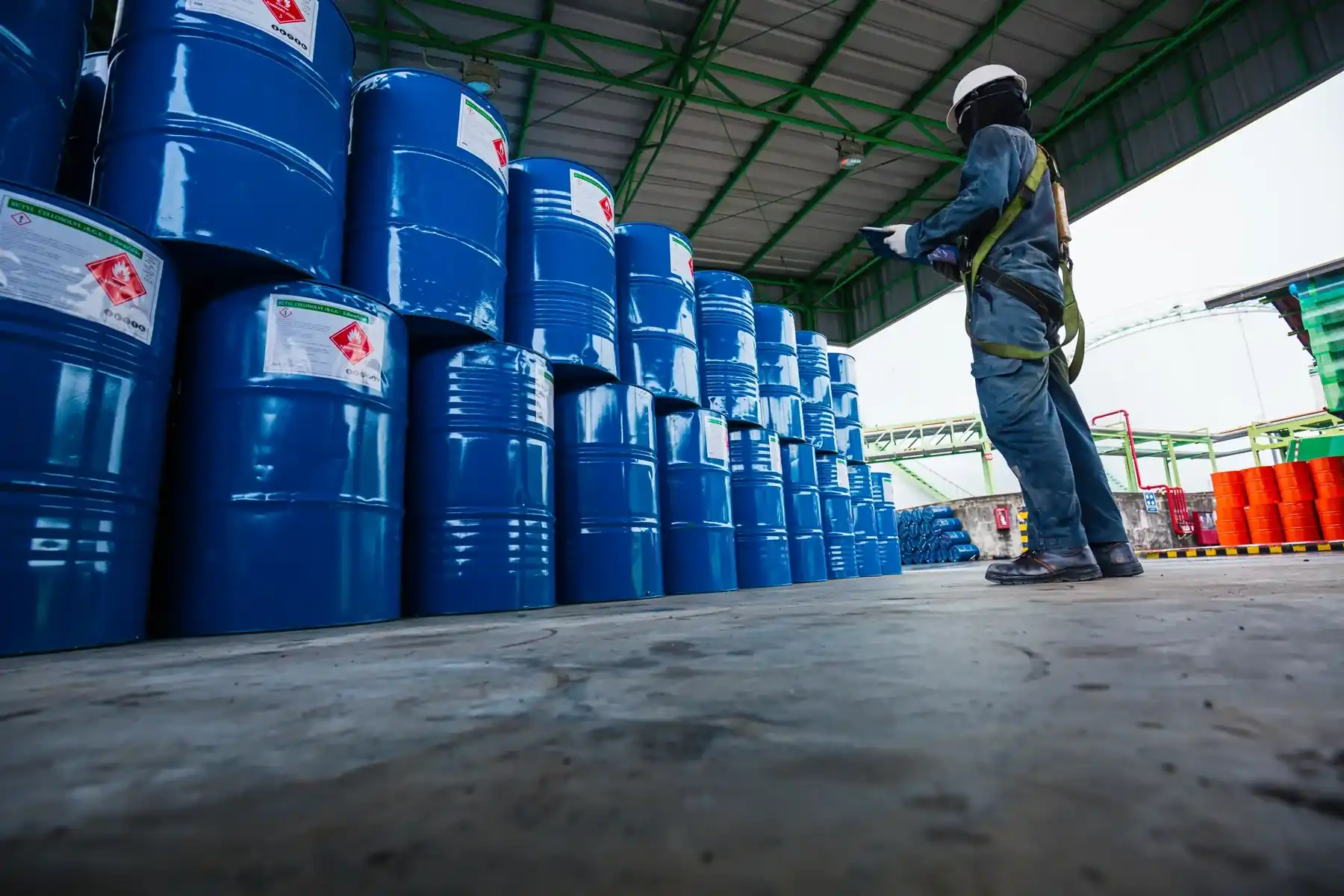
Waste services for industry
Choosing Waste Management Companies in the UK
Choosing a waste management company is easier when you know what each type of provider actually does. This guide covers service models, the checks that matter, contract terms to read closely and the questions worth asking before you commit.
What Waste Management Companies Do
Waste management companies arrange the collection, treatment, recovery or disposal of waste produced by businesses. Some operate their own vehicles, transfer stations and treatment facilities. Others buy collection capacity from subcontractors and manage the paperwork and reporting on your behalf. A few do both.
The practical difference shows up when something changes. If your waste stream shifts, your site access is restricted or a load is rejected at a receiving site, the provider’s ability to respond depends on whether they control the assets or rely on third parties. That is not automatically a problem, but it is worth understanding before you sign.
We can help with comparing service models, reviewing the paperwork you will be asked to keep and planning collections around your site’s constraints.
National operators
Large national operators typically run their own fleet, transfer stations and treatment facilities. They can usually handle multi-site contracts, standard reporting formats and consistent service levels across regions. They may be less flexible on unusual waste streams or one-off collections, and pricing structures can be complex.
Independent regional companies
Independent companies often know local receiving sites and can adapt to awkward access, unusual materials or short-notice changes. Coverage is usually limited to their region, and their reporting may be simpler than what a large organisation needs.
Waste brokers
A waste broker arranges collection, recovery or disposal without necessarily operating the vehicles or facilities used. The broker must hold the authorisation required in the nation where it operates and must use appropriately authorised carriers and receiving sites. The practical questions are how it checks those operators, how it handles rejected loads and what documentation it provides.
Managed service providers
A managed service provider coordinates multiple waste streams, sites and suppliers under one contract. This suits organisations that want a single point of contact and consolidated reporting. The trade-off is that you may have less visibility of which subcontractor attends each site.

Checks Before You Sign
Businesses that carry, broker or deal in waste must hold the authorisation required by the relevant national regulator. In England, check the Environment Agency. In Wales, check Natural Resources Wales. In Scotland, check SEPA’s current waste transporter and broker register. In Northern Ireland, check NIEA. The authorisation should match the legal entity you are dealing with, not just a trading name.
Ask which receiving sites will take your waste and confirm those sites hold the correct environmental permits. A carrier’s authorisation does not mean the destination site is permitted for your specific waste type.
Insurance is worth confirming in writing. Ask for the current certificate and check that it covers the activities being carried out, including any subcontractors.
For hazardous waste, the producer retains responsibility for correct classification. Technical guidance WM3 sets out how waste is assessed and classified. A provider can help with sampling and documentation, but the classification decision should be based on the actual waste, not just its name or source.
Contract Terms to Read Closely
Waste contracts vary widely. The clauses that cause the most difficulty are usually these:
- Auto-renewal and notice periods. Some contracts renew automatically for another term unless you give notice within a set window.
- Excess weight charges. If your bin or container exceeds the agreed weight, the charge per tonne may be higher than the headline rate.
- Lift or failed collection charges. If the container is inaccessible or overloaded, you may still be charged.
- Contamination charges. If recyclable loads contain non-recyclable material, the whole load may be reclassified and charged at a higher rate.
- Price review clauses. These allow the provider to adjust prices during the term, often linked to indexation or disposal costs.
- Minimum tonnage or minimum spend. Some contracts set a floor below which you still pay.
Ask for a worked example of a typical month’s charges, including any standing charges, so you can compare like for like.
Questions to Ask a Potential Provider
- Which waste streams will you handle, and which will you subcontract?
- What waste carrier, broker or dealer registration or authorisation do you hold?
- Which receiving sites will be used, and what permits do they hold?
- How do you handle a rejected or non-conforming load?
- What documentation will I receive for each collection?
- How are weights and volumes recorded, and can I see the data?
- What happens if my waste stream changes during the contract?
- What are the notice terms if I want to leave?
Red flags include vague answers about where waste goes, no written confirmation of permits, pressure to sign without seeing the full terms and unusually low headline rates that do not survive a worked example.
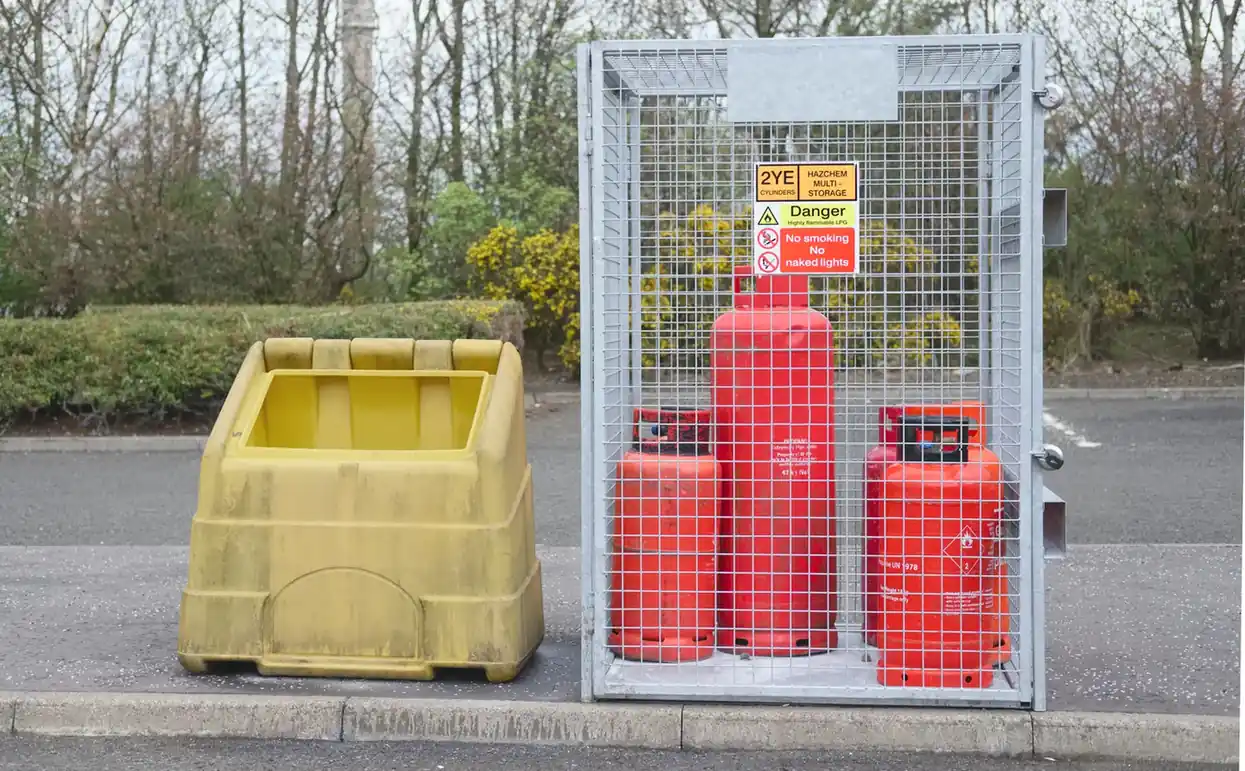
Documentation and Duty of Care
Businesses that produce, carry, keep, treat or dispose of waste have a duty of care under the Environmental Protection Act 1990. In England and Wales, the duty of care code of practice explains what this means in practice. Similar duties apply in Scotland and Northern Ireland, with different regulators and codes.
Waste transfer notes and hazardous waste consignment notes support traceability. They record what was collected, when and where it went. They do not, by themselves, prove that the waste was handled correctly at every stage. Keeping them organised is part of your duty of care, not a substitute for it.
If you produce hazardous waste, check the rules for the nation where the premises are located as well as the classification of the waste. Wales retains hazardous waste producer premises registration above the applicable threshold, while the position differs elsewhere in the UK. Classification depends on the waste itself and the applicable technical guidance, not simply on a broad material name.
Reporting and Data
Good reporting helps you see what you are producing, where it goes and what it costs. Ask what format the data comes in, how often it is updated and whether you can export it. If you need to report under packaging, WEEE or other producer responsibility rules, check that the provider’s data will meet those requirements.
Some providers offer dashboards or online portals. Others send spreadsheets. Neither is inherently better, but the data needs to be accurate and timely enough for your own compliance and budgeting.
How We Can Help
We can help with understanding the options for your waste streams, reviewing the questions to put to potential providers and planning collections around your site’s access and storage limits. If you are comparing waste management companies for a single site or a multi-site operation, the useful starting point is a clear picture of what you produce, how much and how often.
For related topics, see our guides on waste carrier licences, waste transfer notes and waste audits.
Free online tool
Waste Duty of Care Checker
Review common waste paperwork and collection questions relevant to your site.
Common questions
Frequently asked questions
Do I need to check a waste carrier's registration myself?
Yes. Check the relevant regulator's public register or authorisation record: the Environment Agency in England, Natural Resources Wales in Wales, SEPA in Scotland and NIEA in Northern Ireland. The authorisation should match the legal entity you are dealing with.
What is the difference between a waste carrier and a waste broker?
A carrier physically transports waste. A broker arranges its collection or disposal without necessarily operating vehicles or facilities. Both need the authorisation required in the nation where they operate, and that authorisation should cover what the company actually does.
Can a waste management company classify my waste for me?
A provider can help with sampling, analysis and documentation, but the producer remains responsible for correct classification. Classification depends on the substances present and should follow technical guidance such as WM3 in England.
What should I look for in a waste contract?
Check auto-renewal and notice periods, excess weight charges, lift or failed collection charges, contamination rules, price review clauses and any minimum tonnage or spend. Ask for a worked example of a typical month's charges.
Does a waste transfer note prove my waste was handled legally?
A waste transfer note supports traceability by recording what was collected and where it went. It does not by itself prove that the waste was handled correctly at every stage. You still need to meet your duty of care.
Request a quote
Complete the form and we will get back to you.