
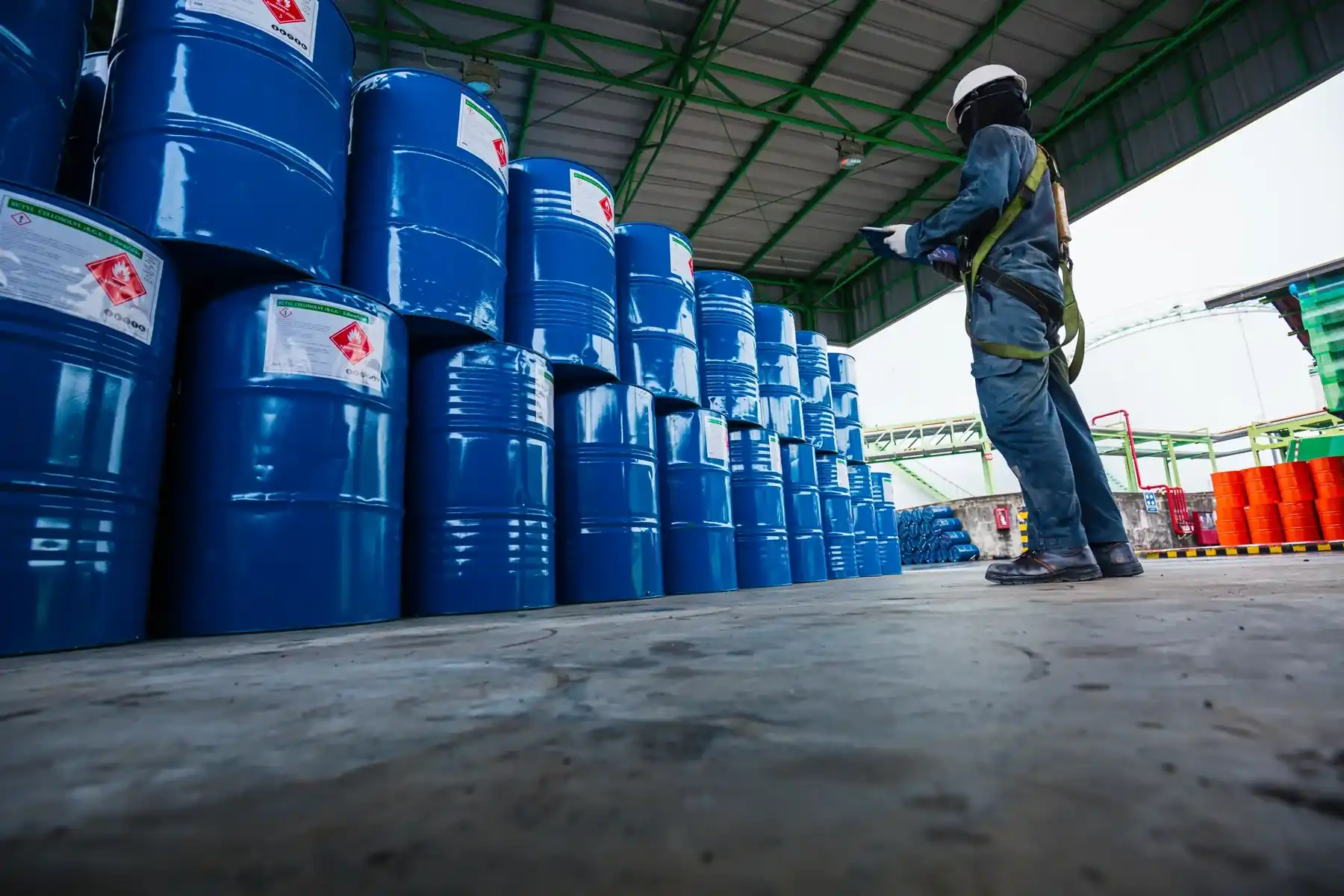
Waste services for industry
Our Services
Industrial waste work covers many different materials, containers and legal duties. This page sets out the main service areas so you can find the one that matches your site, waste type and timescale.
Industrial Waste Disposal
Where industrial waste goes after collection, how the disposal route is chosen, and what paperwork each route produces.
View detailsIndustrial Waste Collection
Container types, sizing and lift frequency for industrial waste collection, plus segregation rules and waste documentation for factories and warehouses.
View detailsCommercial Waste Management
Commercial waste management for offices, canteens, warehouses and factory welfare areas, covering general waste, dry mixed recycling, glass, food and confidential paper.
View detailsHazardous Waste Management
Classification, segregation, storage and consignment records for hazardous waste streams, with the nation-specific rules that apply across the UK.
View detailsLiquid Waste Disposal
Practical guidance on classifying, storing and collecting industrial liquid wastes, from oily water and coolants to interceptor contents and effluent routes.
View detailsWaste Oil Disposal
Classification, storage and disposal routes for industrial waste oil, oily water, filters and rags, including re-refining and treatment options.
View detailsRoll On Roll Off Skip Hire
Roll on roll off skip hire for industrial sites, covering 20, 35 and 40 yard containers, open and enclosed units, access and waste streams.
View detailsCommercial Skip Hire
Skips for factories and yards, with segregated, enclosed and lockable options, restricted-item guidance and regular scheduled exchanges.
View detailsWaste Compactor Hire
Waste compactor hire for static and portable units, covering waste suitability, power, footprint, access and maintenance terms.
View detailsCardboard Balers
Practical guidance on cardboard balers, bale weights, contamination, safe operation and how baling affects collection and rebate terms.
View detailsWEEE Recycling
How industrial WEEE is sorted, treated and documented, including hazardous components, data-bearing devices and consignment notes.
View detailsFactory Clearance
Factory clearance for production areas, stores, offices and yards, covering plant decommissioning, hazardous residues, resale and recycling.
View detailsWaste Audit
A waste audit reviews streams, containers, paperwork and costs, then sets out practical changes for segregation, recycling and duty of care.
View detailsZero Waste to Landfill
How zero waste to landfill works in practice, what landfill tax does to costs, and how to evidence diversion with receiving-site data.
View detailsIndustrial Recycling
Practical industrial recycling for metal, plastics, cardboard, pallets and dry mixed streams, with segregation advice and reporting for audits.
View detailsDry Mixed Recycling
What belongs in dry mixed recycling, how contamination and glass rules differ across the UK, and how to size containers for industrial sites.
View detailsScrap Metal Recycling
Ferrous and non-ferrous segregation, swarf handling, containers and traceable payment for industrial scrap metal.
View detailsCardboard Waste Collection
Cardboard waste collection for industrial sites, covering loose, compacted and baled material, contamination, rebates and UK separation rules.
View detailsPallet Collection
Practical guidance on pallet collection, wood grades, pooled pallet returns and keeping waste timber segregated and safe on site.
View detailsPlastic Waste Management
Polymer-specific plastic waste management for industrial sites, covering segregation, baling, contaminated plastics and tonnage reporting.
View detailsCommercial Food Waste Collection
Commercial food waste collection for manufacturers and food businesses, covering separation rules, packaged product, liquid waste and treatment routes.
View detailsIndustrial Waste Services
Industrial waste is not one material. It includes general factory waste, packaging, scrap metal, oils, solvents, sludges, off-specification products, batteries, electronic equipment and construction debris. Each has different handling needs, documentation and possible treatment routes. The pages below cover the main areas we can help with.
Before choosing a service, it helps to know the waste stream, the quantity, how it is stored, whether it is hazardous and what records you already hold. Those details affect collection frequency, container type, transport requirements and the paperwork that must accompany the waste.
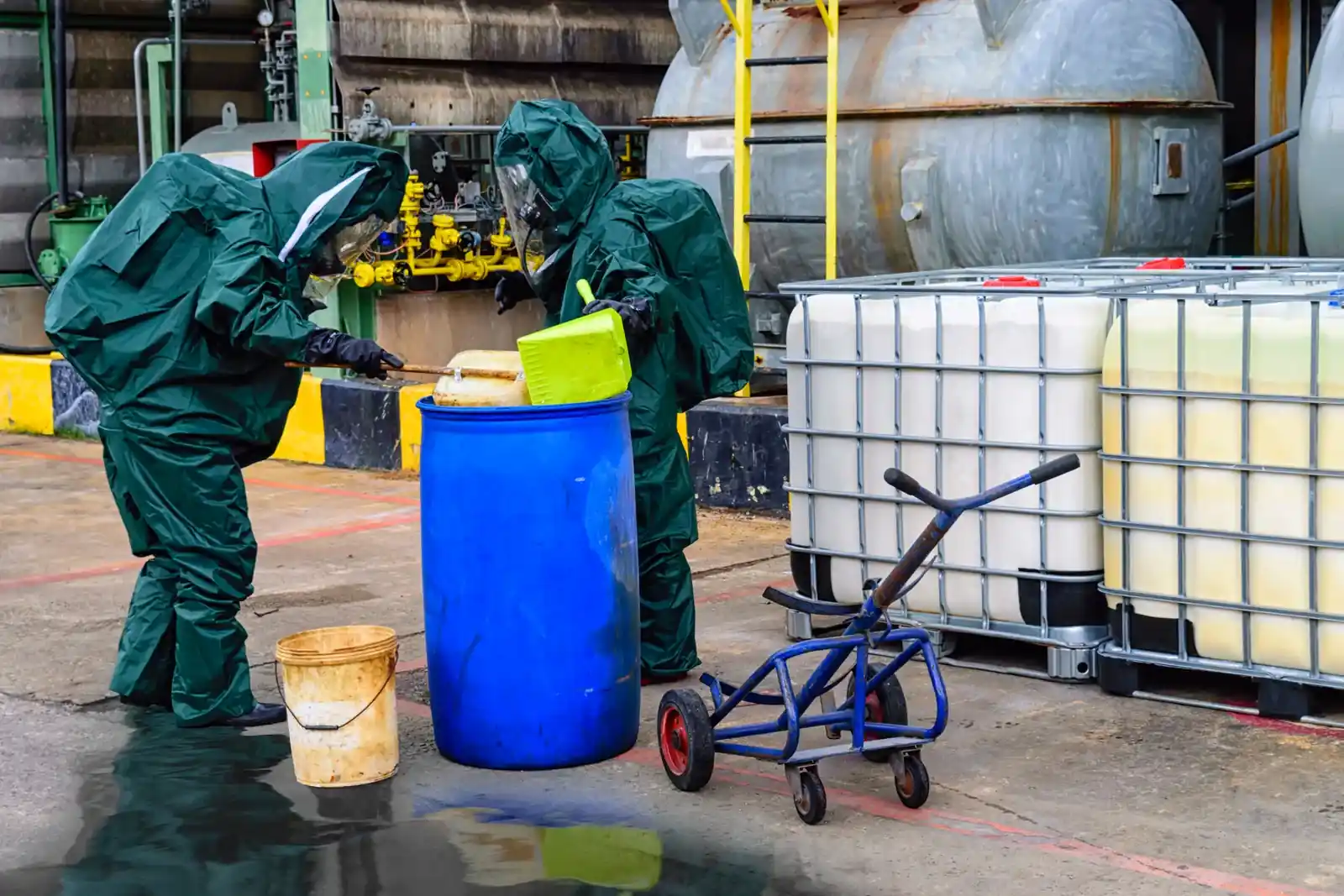
Waste Disposal and Collection
Disposal and collection are related but not identical. Collection is about moving waste from your site. Disposal is about what happens to it afterwards. Both need a clear description of the waste and a suitable container or vehicle.
- Industrial waste disposal covers treatment and final destination for factory and process waste.
- Industrial waste collection covers scheduled and one-off collections from industrial premises.
- Commercial waste management covers general business waste from offices, retail and mixed sites.
- Roll on roll off skip hire suits bulky loads and demolition or clearance work.
- Commercial skip hire covers smaller containers for regular or one-off business use.
Container choice depends on volume, weight, access and how quickly waste accumulates. A skip that is easy to load may be unsuitable if the site has limited space or the waste is heavy.
Hazardous and Liquid Waste
Hazardous waste carries extra requirements for storage, transport, documentation and destination. A material is not automatically hazardous because of its name. Classification depends on its composition and properties, and should be assessed using the relevant technical guidance.
Liquid waste includes aqueous washings, sludges, coolants, oils and other process liquids. Tankering, drum collection and treatment routes vary with the liquid, its concentration and how it is stored. Dewatering or treatment can reduce volume, but it does not by itself make a waste non-hazardous.
- Hazardous waste management covers classification, storage, collection and disposal routes.
- Liquid waste disposal covers tankered and contained liquid waste.
- Waste oil disposal covers oils, lubricants and related oily wastes.
Safety-critical work such as confined space entry, tank cleaning or work near dangerous substances must be carried out by people with the competence, training, equipment and emergency arrangements required for the work.
Recycling and Recovery
Recycling routes depend on material quality, contamination and available reprocessing capacity. Clean, separated streams usually have more options than mixed or wet material. Where recycling is not practical, energy recovery or disposal may be the remaining route.
- Industrial recycling covers separated industrial materials and process by-products.
- Dry mixed recycling covers paper, card, plastics and similar dry materials.
- Scrap metal recycling covers ferrous and non-ferrous metal.
- WEEE recycling covers electrical and electronic equipment.
- Cardboard waste collection covers baled and loose cardboard.
- Pallet collection covers wooden pallets and similar timber packaging.
- Plastic waste management covers films, rigid plastics and mixed polymer waste.
- Commercial food waste collection covers food waste from canteens and food businesses.
- Zero waste to landfill covers projects aiming to divert waste from landfill.
Zero waste to landfill claims need clear definitions. Diverted material may be recycled, recovered or treated, and the evidence should match the route actually used.
Waste Equipment
On-site equipment can reduce handling and transport costs, but only if it suits the material and the space available. Compactors and balers need power, access and a maintenance plan. They also change how waste is stored and collected.
- Waste compactor hire covers compactors for volume reduction.
- Cardboard balers covers baling equipment for cardboard and similar materials.
Equipment is not a substitute for correct classification or documentation. A baler can make storage tidier, but it does not change what the waste is.
Site Clearance and Audits
Clearances and audits involve different skills. A factory clearance removes materials, equipment and waste from a site. An audit reviews what waste is produced, how it is stored and where it goes. Both need a clear scope and a record of what was found.
- Factory clearance covers removal of contents, equipment and waste from industrial sites.
- Waste audit covers review of waste streams, storage and disposal routes.
An audit can identify where waste is mixed, where documentation is incomplete or where a different container would reduce handling. It does not replace legal advice or a formal classification assessment.
Compliance and Documentation
Waste duty of care applies to anyone who produces, carries, keeps, treats or disposes of controlled waste in England and Wales. The waste duty of care code of practice sets out practical guidance. Scotland and Northern Ireland have their own codes of practice, and cross-border operations may need to follow more than one.
Waste classification should follow the relevant technical guidance, such as WM3 waste classification technical guidance in England. Hazardous waste has extra requirements for producers, carriers and consignees, as set out in the hazardous waste guidance. Waste documentation supports traceability. It does not by itself prove legal compliance.
- Waste transfer note covers the record that accompanies waste transfers.
- Digital waste tracking covers electronic recording of waste movements.
- Waste carrier licence covers registration for carrying waste.
- WEEE regulations covers electrical and electronic waste duties.
- Waste management plan covers documented arrangements for waste at a site.
- Waste hierarchy covers the order of preference for waste management.
- Simpler recycling covers changes to recycling collections for businesses.
Requirements differ between England, Wales, Scotland and Northern Ireland. Check the rules for the nation where the waste is produced, stored or handled.
Sector-Specific Waste
Different sectors produce different waste profiles. Manufacturing may generate process sludges, offcuts and packaging. Construction produces mixed demolition waste, timber, metals and possibly asbestos. Pharmaceutical sites may handle clinical or chemically active waste. Warehouses and logistics sites produce packaging, pallets and returned goods.
- Manufacturing waste management
- Construction waste management
- Pharmaceutical waste management
- Warehouse waste management
If you are unsure which service fits, start with the waste material and the problem you need to solve.
Free online tool
Waste Duty of Care Checker
Review common waste paperwork and collection questions relevant to your site.
Common questions
Frequently asked questions
How do I know which waste service I need?
Start with the waste material, its quantity, how it is stored and whether it is hazardous. Those details determine whether collection, disposal, recycling, tankering or equipment is the relevant service.
Is all industrial waste hazardous?
No. Many industrial wastes are non-hazardous, but some are hazardous. Classification depends on the composition and properties of the waste, not just its name or source.
Do waste rules differ across the UK?
Yes. England, Wales, Scotland and Northern Ireland have separate duty of care codes and some different requirements. If you operate across borders, you may need to follow more than one set of rules.
Can waste documentation prove I have complied with the law?
Waste documentation supports traceability and shows what was transferred. It does not by itself prove legal compliance, which depends on the whole chain of storage, transfer, transport and destination.
Request a quote
Complete the form and we will get back to you.