
Waste services for industry
Pharmaceutical Waste Management
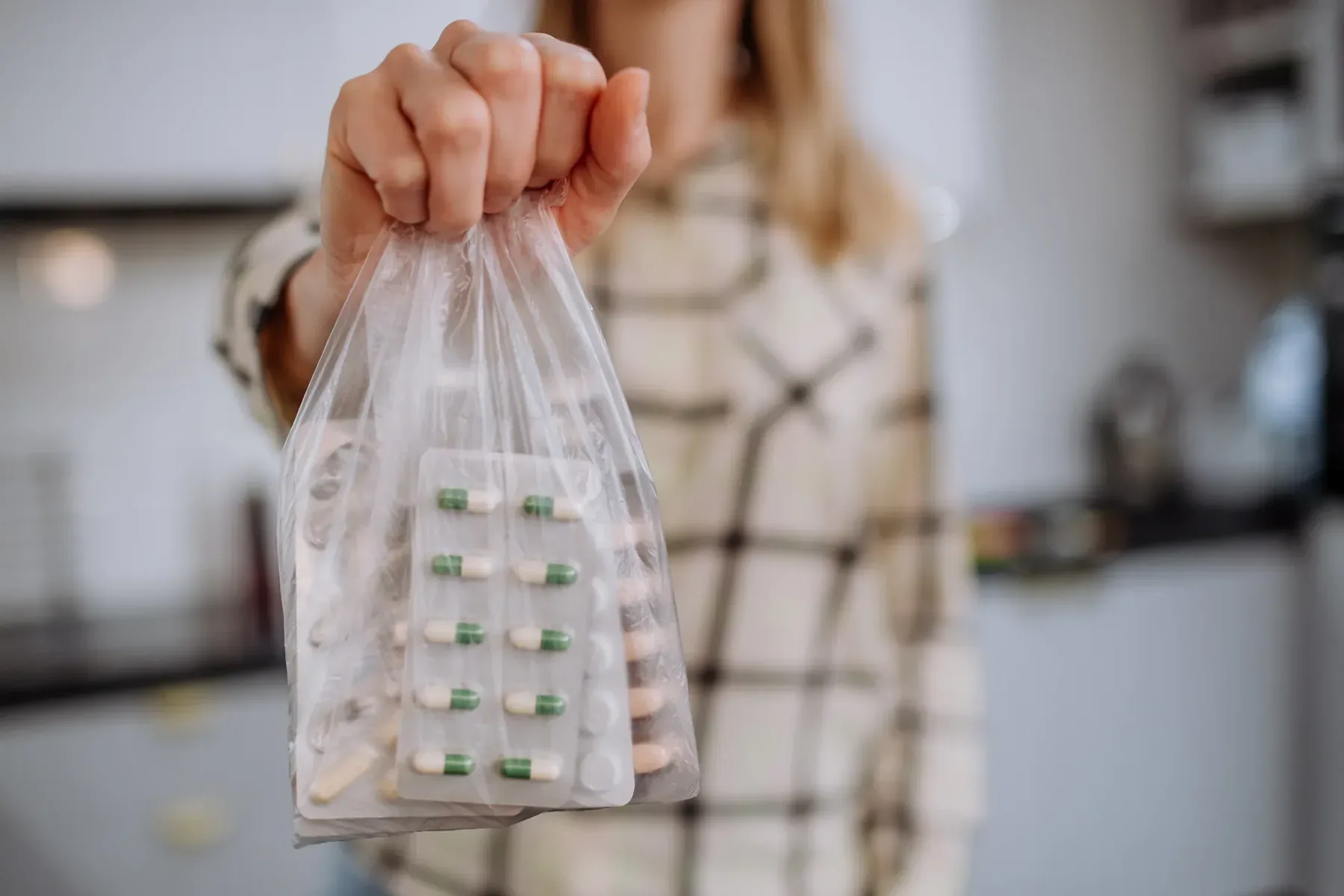
Pharmaceutical waste covers a wide range of materials, from process solvents and off-spec batches to cytotoxic medicines and contaminated packaging. Classification, handling and documentation depend on the material and how it arises. We can help with pharmaceutical waste management across these streams.
What Counts as Pharmaceutical Waste
Pharmaceutical waste is not a single material. On a manufacturing site it usually includes process solvents and reaction liquors, off-specification batches, returned or expired stock, contaminated packaging, filter media, cleanroom consumables and general site waste. Some of these are hazardous, some are not, and the difference matters because it determines how the waste is stored, transported and treated.
Classification is not decided by the product name alone. Under the Environment Agency’s waste classification technical guidance (WM3), you assess the waste’s composition and properties against the List of Waste codes and the hazardous properties. The outcome depends on the waste’s composition, concentration and hazardous properties. This is why a name on a drum is not enough to assign a code.
Process Solvents and Reaction Liquors
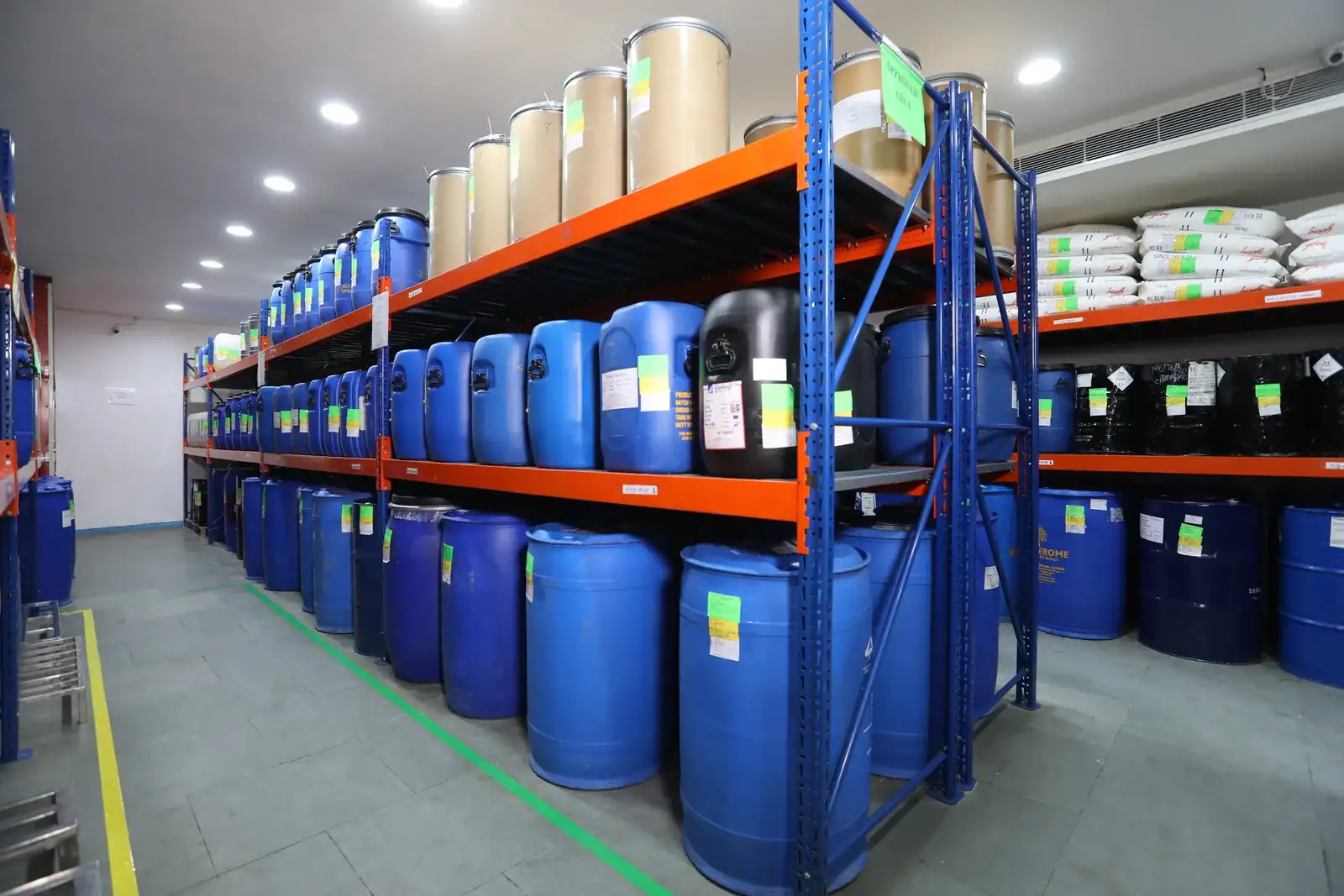
Process solvents and reaction liquors are common hazardous streams on pharmaceutical sites. They may be single-solvent, mixed, water-miscible or immiscible, and they may contain dissolved active ingredients. Their composition affects whether recovery is suitable or another authorised treatment route is needed.
Useful decisions at this stage include keeping solvent streams segregated rather than bulking them together, because mixing a recoverable solvent with a contaminated one can remove the recovery option. Flashpoint, water content and halogen content all influence treatment. We can help with solvent collection and the documentation that supports traceability through to final treatment.
Cytotoxic and Cytostatic Medicines
Cytotoxic and cytostatic medicine waste requires a specialist treatment route. Environment Agency guidance for permitted healthcare waste facilities in England requires waste containing cytotoxic or cytostatic medicines to be sent for high-temperature incineration. Handling and containment should reflect the material, quantity and site-specific risk assessment.
Where these medicines arise as waste, they should be kept separate from other pharmaceutical waste so the treatment route is not compromised. Packaging, vials and any contaminated materials that have been in contact with them need to be assessed on the same basis.
Controlled Drugs and Record Keeping
Controlled drugs carry additional legal requirements that sit outside general waste law. Denaturing, destruction, record keeping and any witnessing requirements depend on the drug, the setting and whether the material is stock or waste. Waste documentation supports traceability, but it does not replace the specific controlled drugs requirements.
For guidance on those requirements, refer to the Home Office and to your own accountable person. We can help with the collection and treatment of pharmaceutical waste once the controlled drugs process has been followed.

Cleanroom, Packaging and General Waste
Cleanroom operations generate gowns, wipes, filters, gloves and packaging. Whether these are hazardous depends on what they have contacted. Packaging that has held an active ingredient is treated differently from outer cardboard that has not. Segregating at the point of production is usually cheaper and simpler than sorting later.
General site waste, canteen waste and office waste follow the same rules as any other commercial premises. Where your site is in England, the hazardous waste rules for England apply, and separate rules apply in Scotland, Wales and Northern Ireland. Requirements differ between the four nations, so confirm which regime applies before specifying collection.
Duty of Care and Documentation
Anyone who produces, carries, keeps, treats or disposes of controlled waste has a duty of care. The duty of care code of practice sets out what that means in practice: waste is stored safely, transferred only to authorised persons, and described accurately so it can be handled correctly downstream.
Consignment notes and transfer notes record what moved and when. They support traceability. They are not a certificate that the whole operation is compliant, and they depend on the description being accurate in the first place.
Planning a Pharmaceutical Waste Project
A workable plan starts with an inventory of streams rather than a list of containers. For each stream, note the process it came from, its physical form, its likely composition and whether it is hazardous. That information drives the treatment route and the paperwork.
- Separate hazardous from non-hazardous streams at source.
- Keep solvent streams apart where recovery may be possible.
- Keep cytotoxic and cytostatic waste separate from other medicines.
- Confirm the nation-specific rules before collection is specified.
- Check that the waste description matches what is actually in the container.
For one-off or small-volume disposal, see our guidance on pharmaceutical waste disposal. For broader site programmes, our hazardous waste management and industrial waste disposal pages cover related streams. A waste audit can help establish what a site actually produces before contracts are set.
Where Problems Usually Arise
Most difficulties come from mixing streams that should have stayed apart, or from descriptions that do not match the contents. A drum labelled only with a product name gives the receiving facility little to work with. An accurate description, including concentration where it matters, allows the correct treatment route to be chosen.
Storage also matters. Solvents need appropriate containment, and incompatible materials should not be stored together. Where waste is held before collection, the storage arrangements form part of the duty of care.
We can help with pharmaceutical waste management across these streams, from solvent collection to cytotoxic medicine destruction and general site waste. The treatment route and the paperwork both depend on getting the description right at the start.
Free online tool
Waste Duty of Care Checker
Review common waste paperwork and collection questions relevant to your site.
Common questions
Frequently asked questions
Is all pharmaceutical waste hazardous?
No. Whether a pharmaceutical waste is hazardous depends on its composition and properties, assessed against the List of Waste codes and hazardous properties under WM3. A product name alone does not determine the classification, and concentration of active ingredients or solvents often decides the outcome.
How are cytotoxic and cytostatic medicines disposed of?
Cytotoxic and cytostatic medicine waste requires a specialist treatment route. In England, Environment Agency guidance for permitted healthcare waste facilities requires waste containing cytotoxic or cytostatic medicines to be sent for high-temperature incineration. It should be kept separate from other pharmaceutical waste and handled with controls appropriate to the material and site.
Do controlled drugs need special handling?
Yes. Controlled drugs carry additional legal requirements, including rules on denaturing, destruction and record keeping. Witnessing requirements are not identical in every circumstance, so the applicable controlled drugs rules should be checked for the drug and setting. Waste documentation does not replace those requirements.
Do the rules differ across the UK?
Yes. England, Wales, Scotland and Northern Ireland each have their own hazardous waste and duty of care requirements. Confirm which regime applies to your site before collection is specified, particularly if you operate across borders.
What information helps when describing pharmaceutical waste?
The process the waste came from, its physical form, its likely composition and whether it is hazardous. Concentration of active ingredients or solvents can matter. An accurate description allows the correct treatment route to be chosen and supports traceability through the paperwork.
Request a quote
Complete the form and we will get back to you.