
Waste services for industry
Waste Oil Disposal
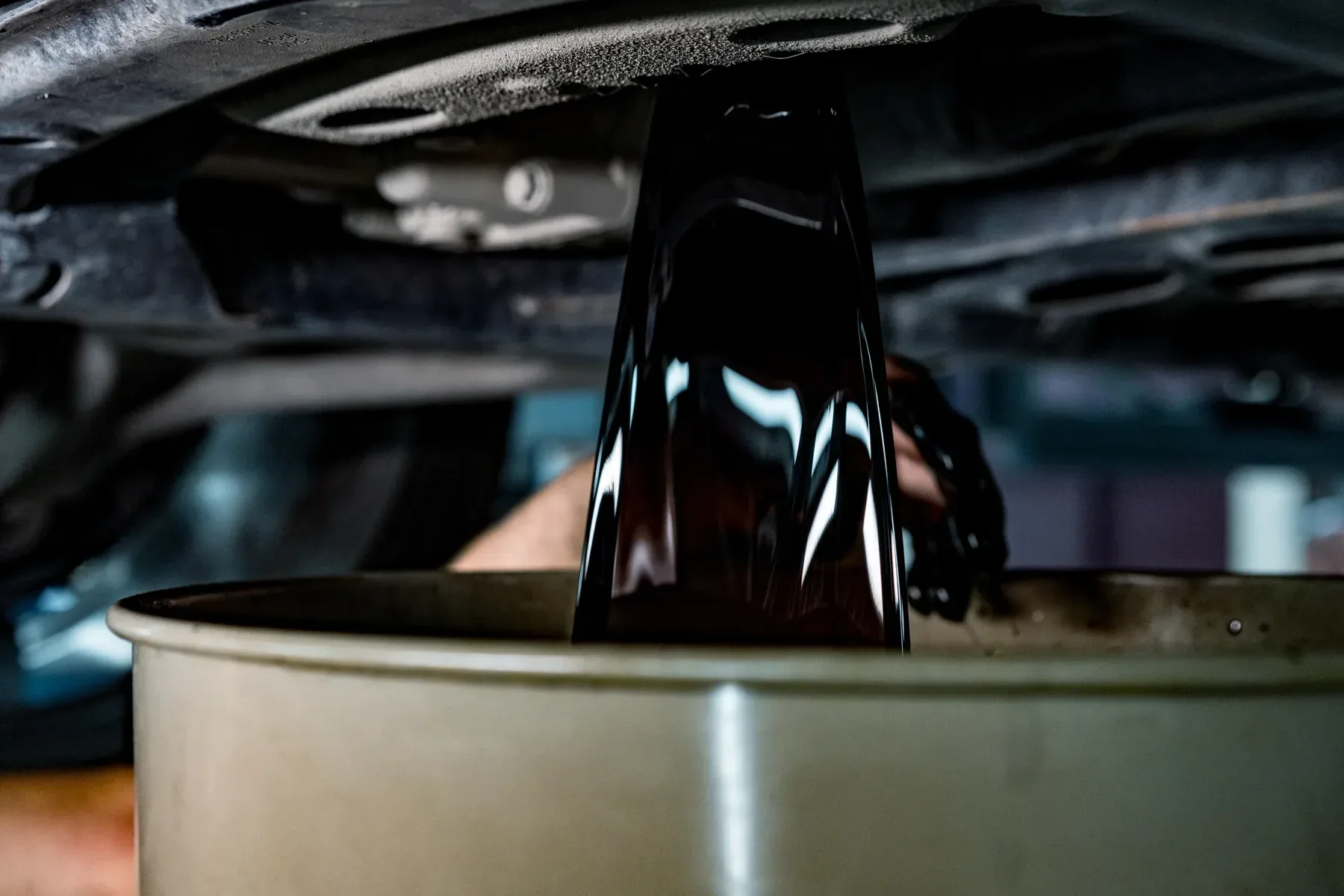
Waste oil covers everything from hydraulic and gear oils to oily water, filters and rags. Each has its own classification, storage and treatment route. We can help with waste oil disposal for industrial sites, including drums, IBCs and bulk tanker collections.
What counts as waste oil
Waste oil is not a single material. It includes hydraulic oil, gear oil, compressor oil, cutting oil, quenching oil, transformer oil, lubricating grease and the oily water that collects in interceptors, bunds and wash bays. Each behaves differently when it is stored, pumped or treated.
Used oil filters and oily rags, absorbents and spill kit waste are separate streams. They often carry the same contaminants as the oil itself, but they cannot be poured or pumped. A filter that still holds oil will drain slowly, and a drum of rags can release liquid under compression.
Some waste oils are hazardous. Under the List of Waste, chapter 13 covers waste oils, and many entries in that chapter are hazardous. The code alone does not settle the matter. Classification depends on the source, the additives, any contamination picked up in service and the results of assessment. We can help with waste oil disposal where the classification needs to be confirmed before a route is chosen.
Classification and why it matters
Waste classification in England follows technical guidance WM3. The assessment considers the hazardous properties of the material, not just its name. Two drums of used hydraulic oil from different machines can classify differently if one has picked up chlorinated solvent or metal fines.
Classification drives several decisions: the waste code on the paperwork, the treatment route, the type of container, and whether the receiving site can accept it. A misclassified load can be rejected at the weighbridge, which leaves the producer holding a problem.
Oily water is a common source of confusion. Water with a visible oil sheen is not automatically hazardous, and it is not automatically non-hazardous. The oil content, any dissolved contaminants and the treatment method all affect the outcome. Dewatering a sludge or separating oil from water does not by itself make the remaining waste non-hazardous. The separated fractions still need their own classification.
Waste documentation supports traceability. It records what moved, when and between whom. It does not, on its own, prove that a waste is correctly classified or that a route is legally compliant.
Storage and bunding
In England, the oil storage rules apply to some oils stored in containers of 200 litres or more, but there are important exclusions. GOV.UK states that the rules do not apply to certain waste oils, including oil drained from vehicle engines, gearbox oil, turbine oil and hydraulic oil, although environmental permitting or other controls may still apply. Where the rules do apply, secondary containment capacity depends on the type and arrangement of the containers. See GOV.UK oil storage guidance.
Scotland, Wales and Northern Ireland have their own oil storage regimes. The thresholds, exemptions and enforcement arrangements differ, so a site operating across borders should check the rules that apply at each location.
Practical points for waste oil storage:
- Keep waste oil containers closed when not in use, and label them clearly.
- Segregate different oil types if they will go to different treatment routes.
- Keep oily rags and absorbents in suitable closed containers, with the container and storage arrangements chosen for the waste and the fire risk.
- Check bunds for accumulated rainwater and remove it appropriately, because a full bund has no containment capacity left.
- Do not mix waste oil with solvents, brake fluid or other chemicals unless the receiving route has been agreed for that mixture.
Mixing can cause rejected loads or remove recovery options. Chlorinated solvents or other contaminants can affect classification and whether a stream is suitable for re-refining.
Disposal and recovery routes
Waste oil can be re-refined back into base oil, processed into fuel oil, or treated to separate water, solids and oil. The best route depends on the oil type, the contamination and the volume.
Re-refining suits cleaner streams such as used engine oil, hydraulic oil and some industrial lubricants. The oil is treated to remove water, fuel dilution, metals and additives, and the recovered base oil goes back into lubricant production.
Processed fuel oil is made from waste oil that is filtered, dewatered and blended to meet a fuel specification. It is used in some industrial combustion plant. The specification matters, because contaminants such as chlorine or heavy metals can put a batch outside the permitted limits.
Oily water is usually treated by separation, dissolved air flotation or similar processes, with the recovered oil going to a suitable route and the water treated before discharge. Discharge to sewer or watercourse requires the relevant consent, and the limits are set by the receiving authority.
We can help with waste oil recycling and recovery, including the selection of a route that matches the oil and the contamination. We can also help with liquid waste disposal where the stream is mixed or difficult to characterise.

Containers and collections
Small volumes are usually collected in drums or IBCs. Bulk volumes can be collected by tanker, which reduces handling and container costs. The choice depends on the volume produced, the storage space available and how quickly the oil accumulates.
For tanker collection, the vehicle needs safe access, a suitable pumping point and enough hose reach. The available pumping arrangement and hose reach need to suit the tank or container location, so the layout of the storage area matters. Drums and IBCs need suitable handling access, and they should not be double-stacked unless the container is designed for it.
Oil filters are often collected separately. They can be drained, crushed and the metal recovered, but the drained oil still needs a route. Oily rags and absorbents are usually collected as a separate hazardous or non-hazardous stream depending on the contamination.
For smaller or mixed loads, including garage and workshop arisings, waste oil collection is handled through a specialist chemical waste service.
Paperwork and duty of care
Waste oil movements are subject to the duty of care. In England and Wales, the duty of care code of practice applies to anyone who produces, carries, keeps, treats or disposes of controlled waste. Similar duties apply in Scotland and Northern Ireland under their own codes.
A waste transfer note or hazardous waste consignment note should describe the waste accurately, including the waste code and the container type. The description should match what is actually in the container. If the contents change, the paperwork should change too.
Records need to be kept. The duty of care code sets out what should be recorded and for how long, and the requirements differ for hazardous and non-hazardous waste. We can help with the documentation that supports waste transfer notes and consignment notes for oil streams.
Safety and site practicalities
Waste oil work can involve fire, slip, manual-handling and confined-space risks. Interceptor cleaning, tank entry and work around pits or sumps may involve confined-space hazards depending on the design and conditions. Where the Confined Spaces Regulations 1997 apply, entry should be avoided where reasonably practicable and, where entry is necessary, suitable controls and emergency arrangements are required.
This work may require specialist competence, equipment and emergency arrangements. Pumping from pits, sumps or below-ground tanks can also require additional controls, including atmosphere testing or ventilation where the risk assessment identifies them.
We can help with planned waste oil disposal and maintenance projects, including the assessment of storage, the selection of treatment routes and the coordination of collections. For sites with mixed hazardous streams, hazardous waste management covers the wider picture. Where oil is one part of a larger review, a waste audit can establish what is produced and where it goes.
Free online tool
Waste Duty of Care Checker
Review common waste paperwork and collection questions relevant to your site.
Common questions
Frequently asked questions
Is waste oil always hazardous?
No. Many waste oil entries in chapter 13 of the List of Waste are hazardous, but the classification depends on the specific oil, its additives and any contamination. Used oil from engines and machinery is often hazardous, while some clean mineral oils may classify differently. A proper assessment is needed before a route is chosen.
Can I mix different waste oils together?
Mixing can change the classification or close off recovery routes. Chlorinated solvent, brake fluid or other contaminants can make a load unsuitable for a particular recovery process. Keep streams separate unless the receiving route has been agreed for the mixture.
Does dewatering make oily waste non-hazardous?
No. Separating water from oil produces two streams, and each needs its own classification. The oil fraction may still be hazardous, and the water fraction may need treatment before discharge. Dewatering does not remove the need for assessment.
What are the bunding rules for waste oil storage?
In England, oil storage rules apply to some oils stored in containers of 200 litres or more, but GOV.UK lists important exclusions for certain waste oils, including engine, gearbox, turbine and hydraulic oils. Where the rules apply, secondary containment requirements depend on the container arrangement. Scotland, Wales and Northern Ireland have their own regimes, so check the rules for the site and oil type.
How are oil filters and oily rags handled?
Oil filters are often collected separately, drained and processed for metal recovery, with the drained oil going to a suitable route. Oily rags and absorbents are usually collected as a separate stream. The classification depends on the oil and any other contamination present.
Request a quote
Complete the form and we will get back to you.