Types of industrial waste explained
Industrial waste is often grouped into a few broad categories, but the boundaries matter.
Solid waste
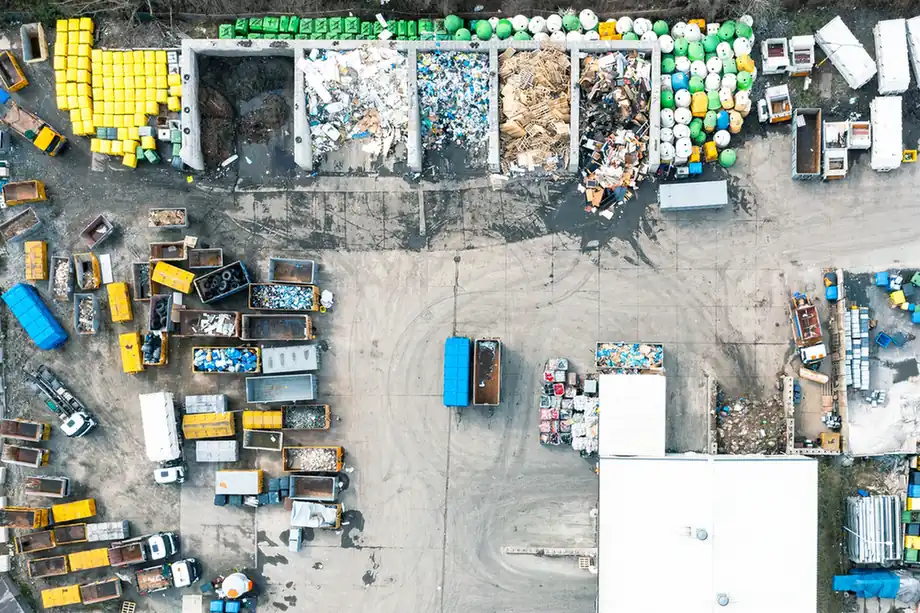
Solid waste includes packaging, offcuts, general workshop waste, redundant equipment and similar materials. Whether it can be segregated efficiently depends on the waste streams and how the site operates. Container choice depends on volume, density and how material is loaded.
Liquid waste
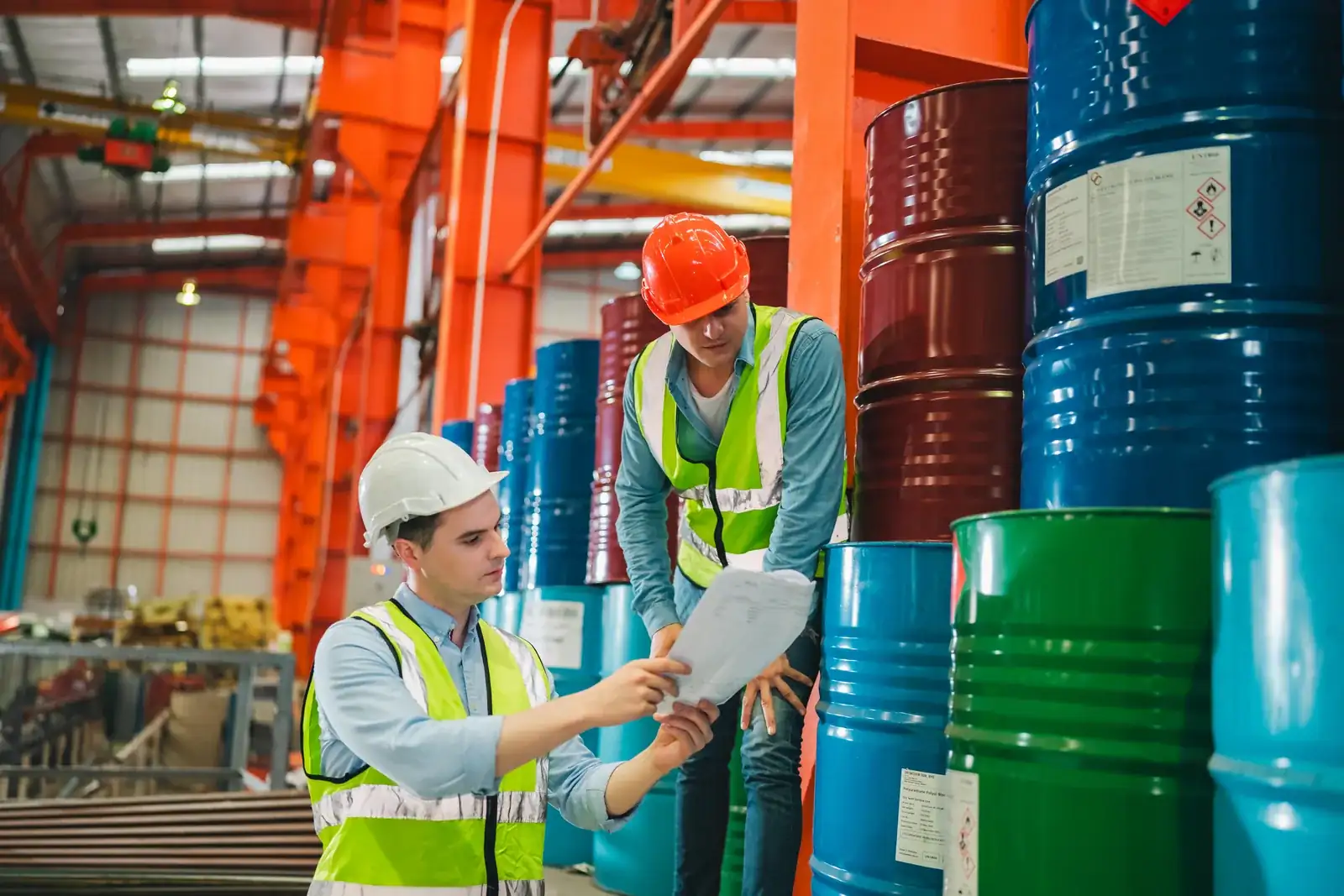
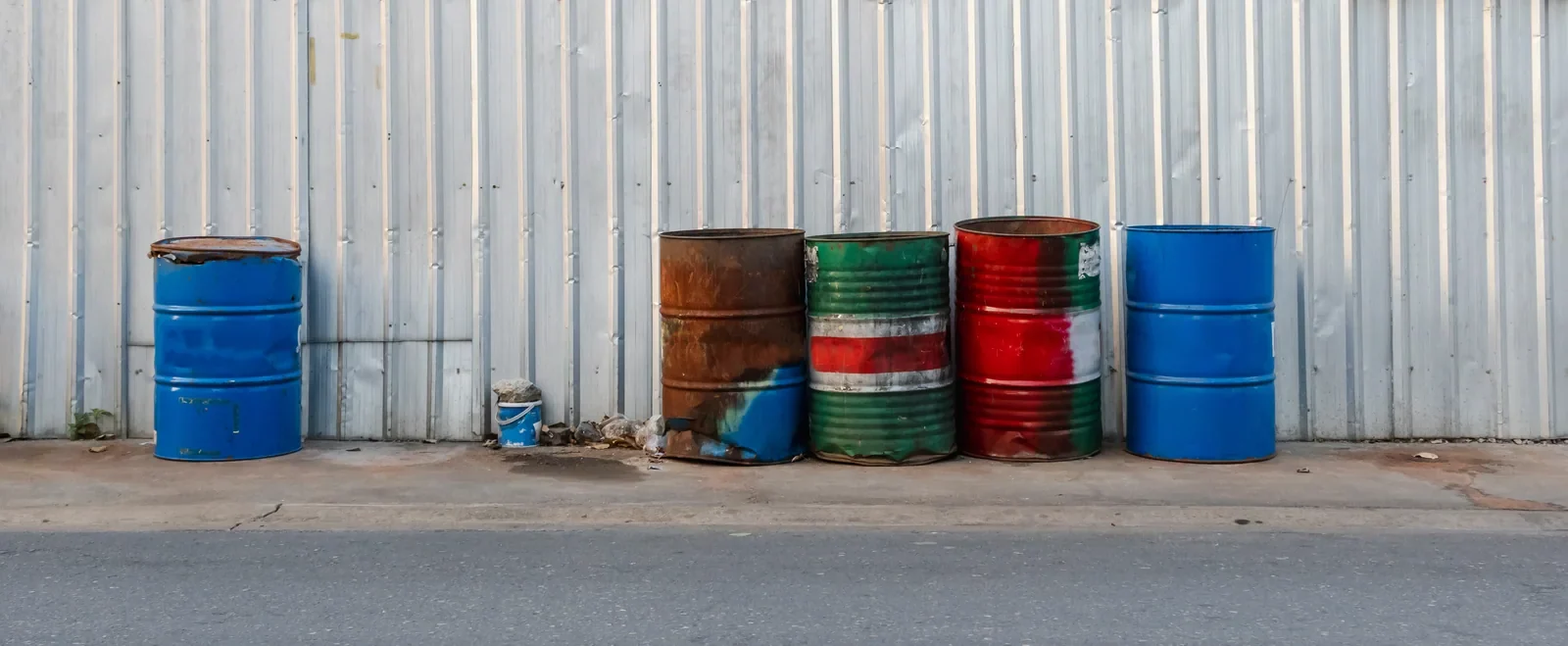
Liquid waste includes wash water, process liquors, tank residues and sludges. Some effluent can be discharged to a sewer under trade effluent consent, while discharges to the environment may require an environmental permit or other authorisation. Liquids unsuitable for discharge must be contained and transferred to an appropriately authorised treatment facility.
Hazardous waste
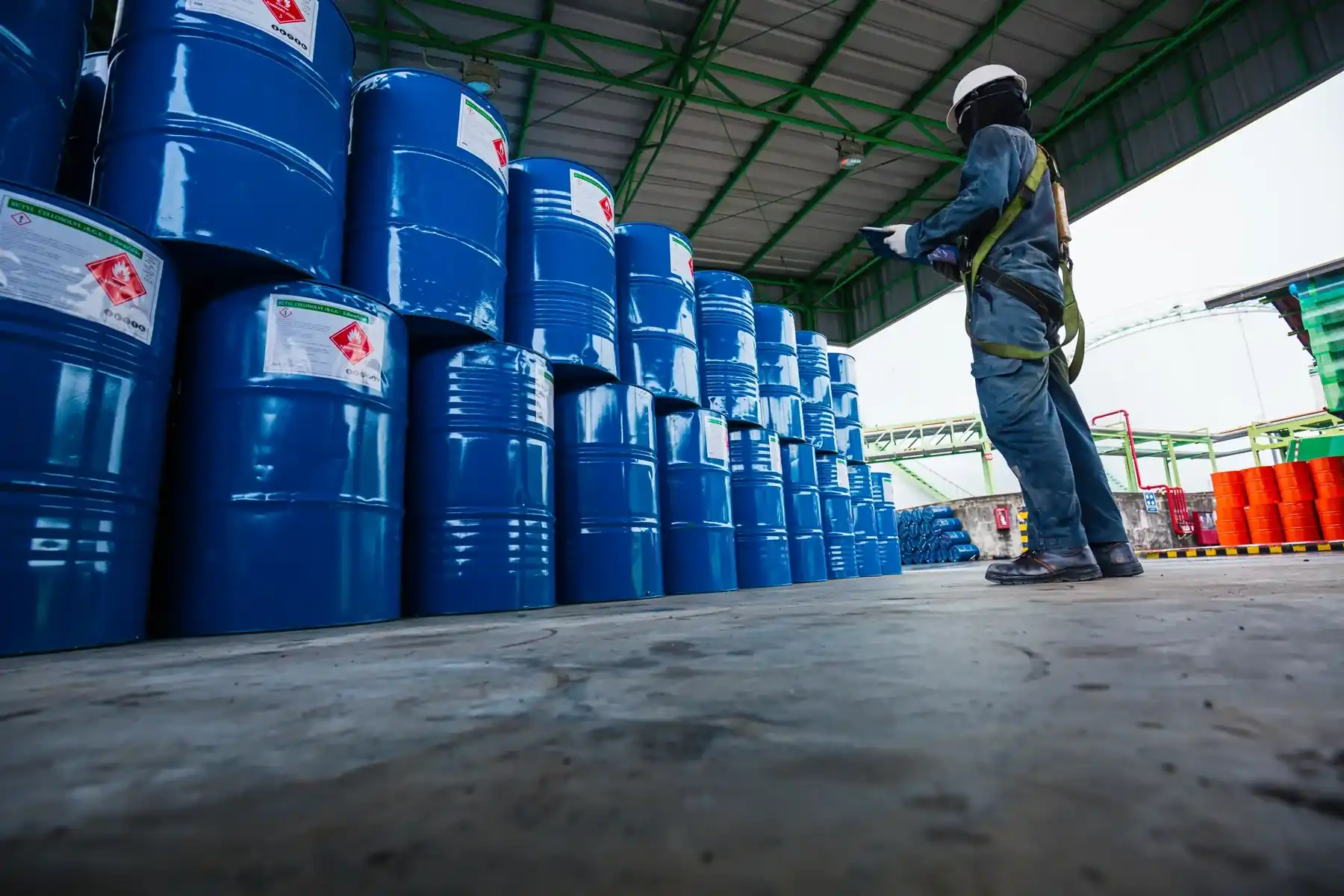
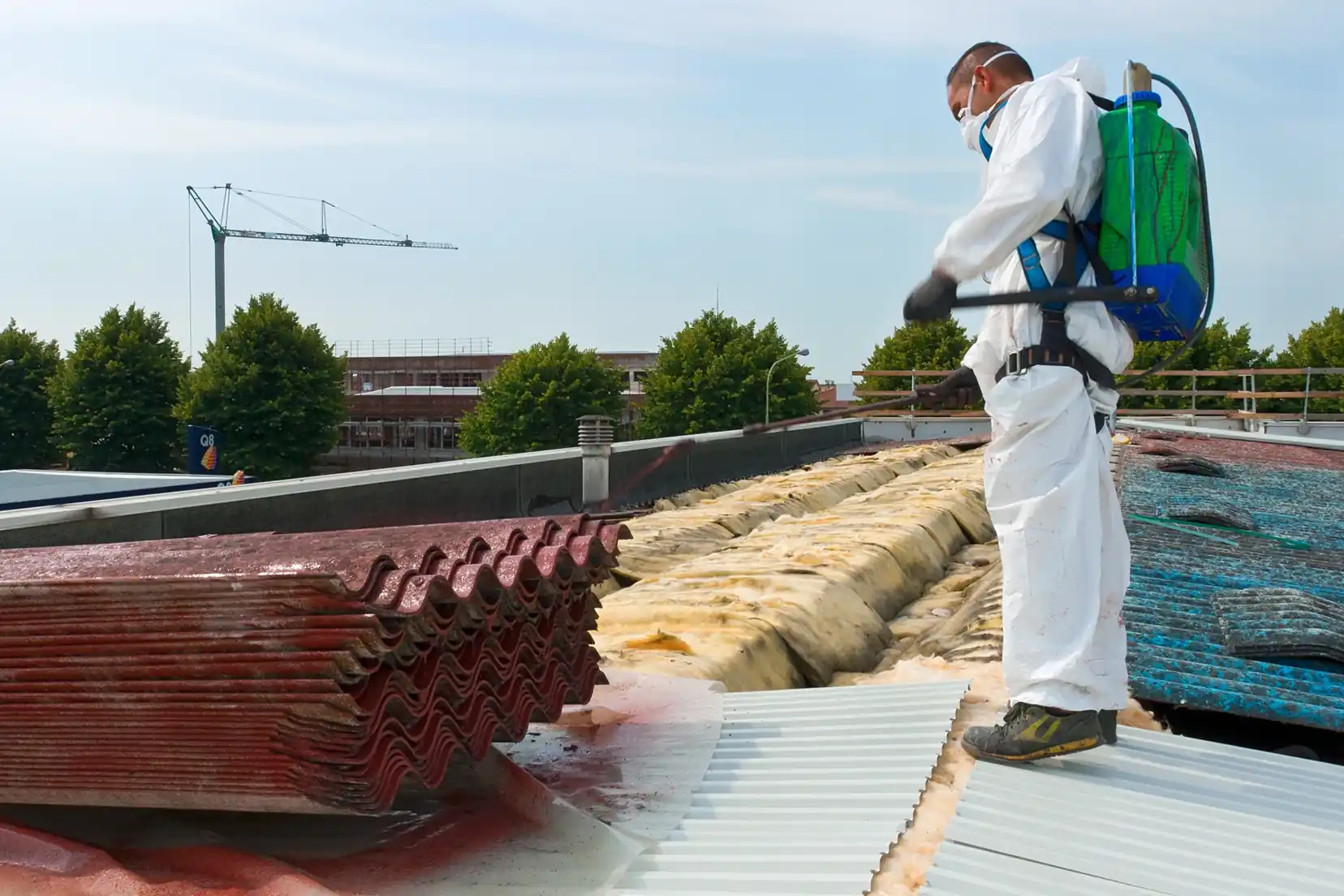
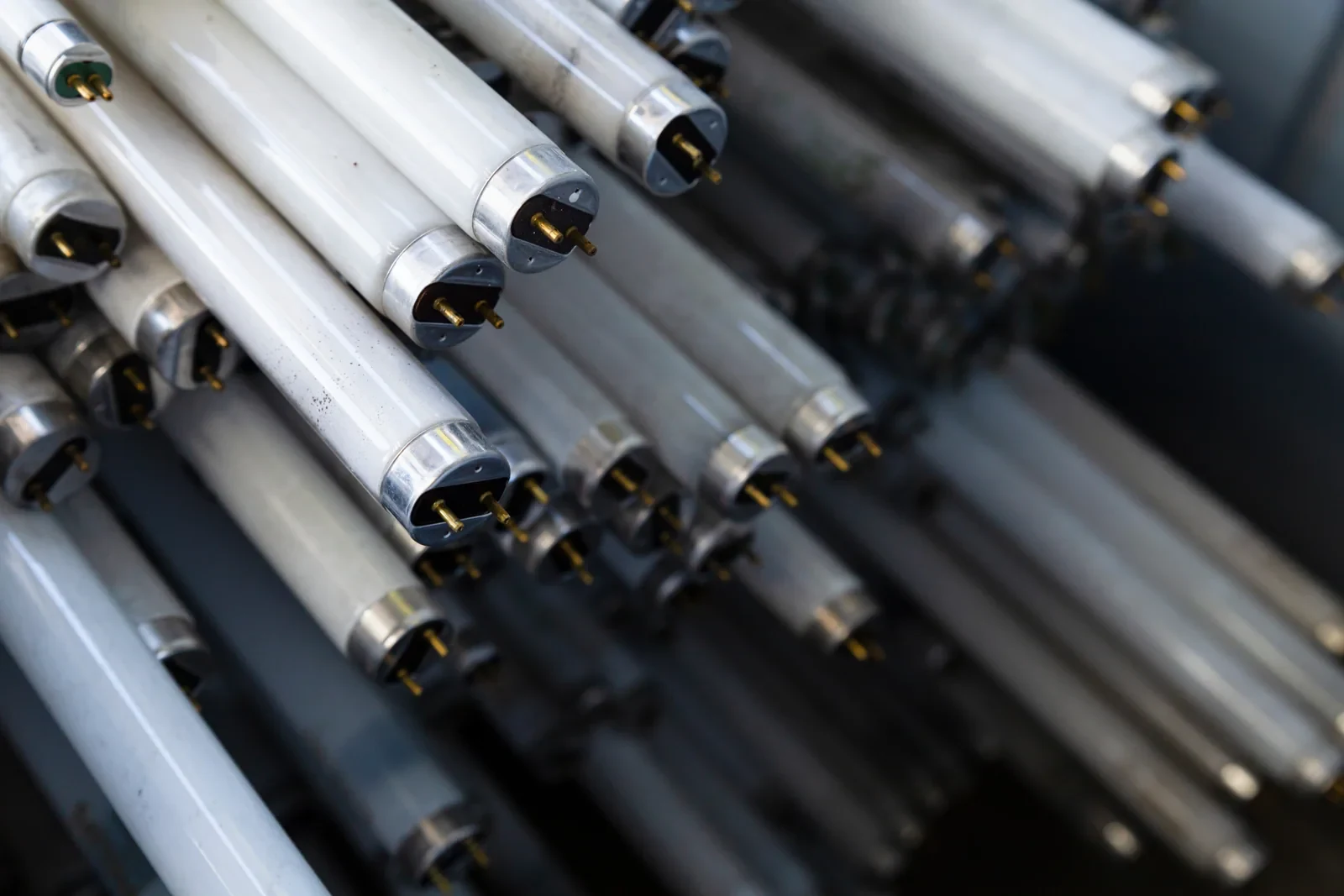
Hazardous waste is identified through the applicable waste-classification rules, including whether the waste displays hazardous properties or falls within an absolute hazardous entry. Examples can include asbestos waste, certain solvents, oils, batteries and some equipment containing hazardous substances. Additional requirements apply to hazardous waste, and the detailed rules differ across England, Wales, Scotland and Northern Ireland.
Mirror entries
Some List of Waste entries have paired hazardous and non-hazardous codes, known as mirror entries. Classification depends on the source of the waste, its composition and its hazardous properties. Where the classification is uncertain, supporting information or analysis may be needed before the waste is assigned a code.
Recyclables
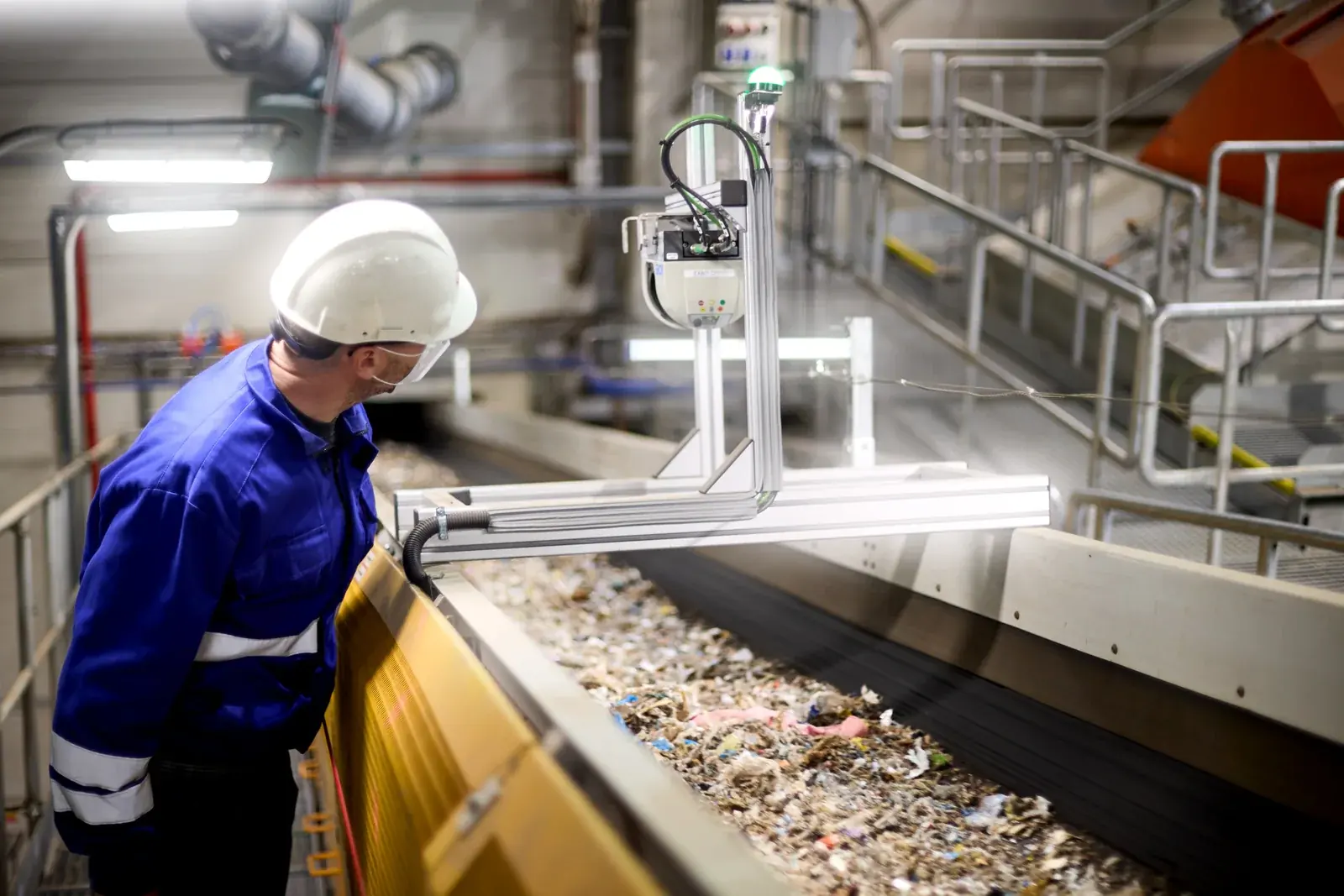
Recyclables include metals, cardboard, plastics, glass and some process by-products. Material quality and contamination can affect which recyclers and recovery facilities will accept it. Segregation, storage and collection arrangements also influence the options available to the site.