
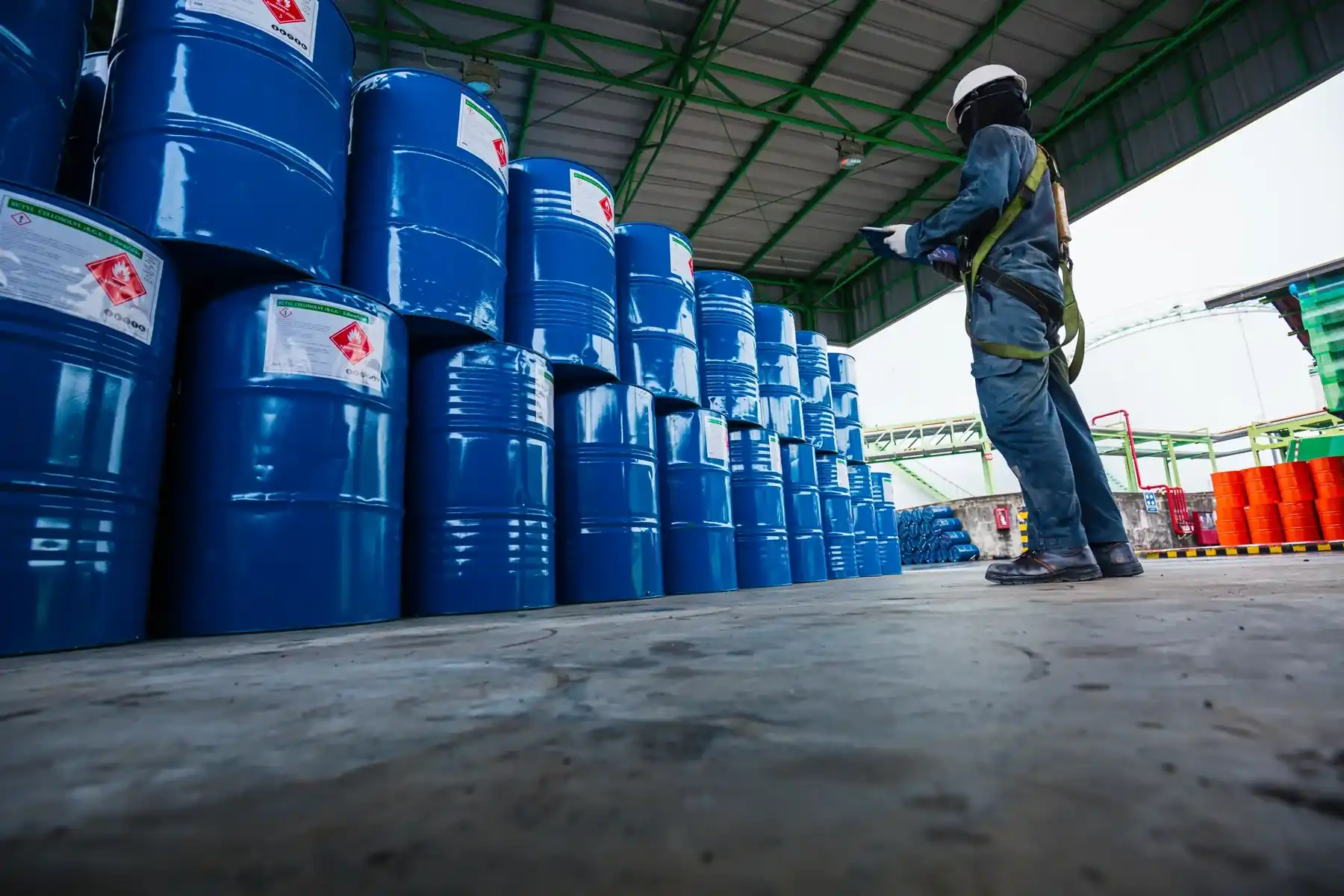
Waste services for industry
Industrial Waste Solutions by Sector
Waste problems tend to follow the process that created them. A foundry, a bakery and a warehouse all produce waste, but the streams, the storage constraints and the paperwork differ. This hub sets out what tends to matter in each sector and where to find more detail.
Why sector matters in industrial waste solutions
Two sites can produce the same tonnage and face completely different problems. A food manufacturer deals with organic load, rapid degradation and strict collection frequency. A metal fabricator deals with swarf, cutting fluids and scrap values that change with commodity markets. The waste hierarchy applies to both, but the practical options diverge quickly.
Classification sits underneath all of it. Under the Environment Agency’s technical guidance WM3, waste is assessed against the List of Waste codes and the hazardous properties of what it contains. A waste name alone does not settle the question. Spent absorbent from an oil spill and spent absorbent from a water spill can carry different codes because of what they have absorbed. Getting this wrong affects the consignment note, the receiving site’s permit and the price.
Duty of care runs alongside classification. The code of practice issued under section 34 of the Environmental Protection Act 1990 applies in England and Wales, with separate codes in Scotland and Northern Ireland. It requires waste to be stored safely, transferred only to authorised persons and described accurately. Records support traceability. They do not, on their own, prove that everything was handled correctly.
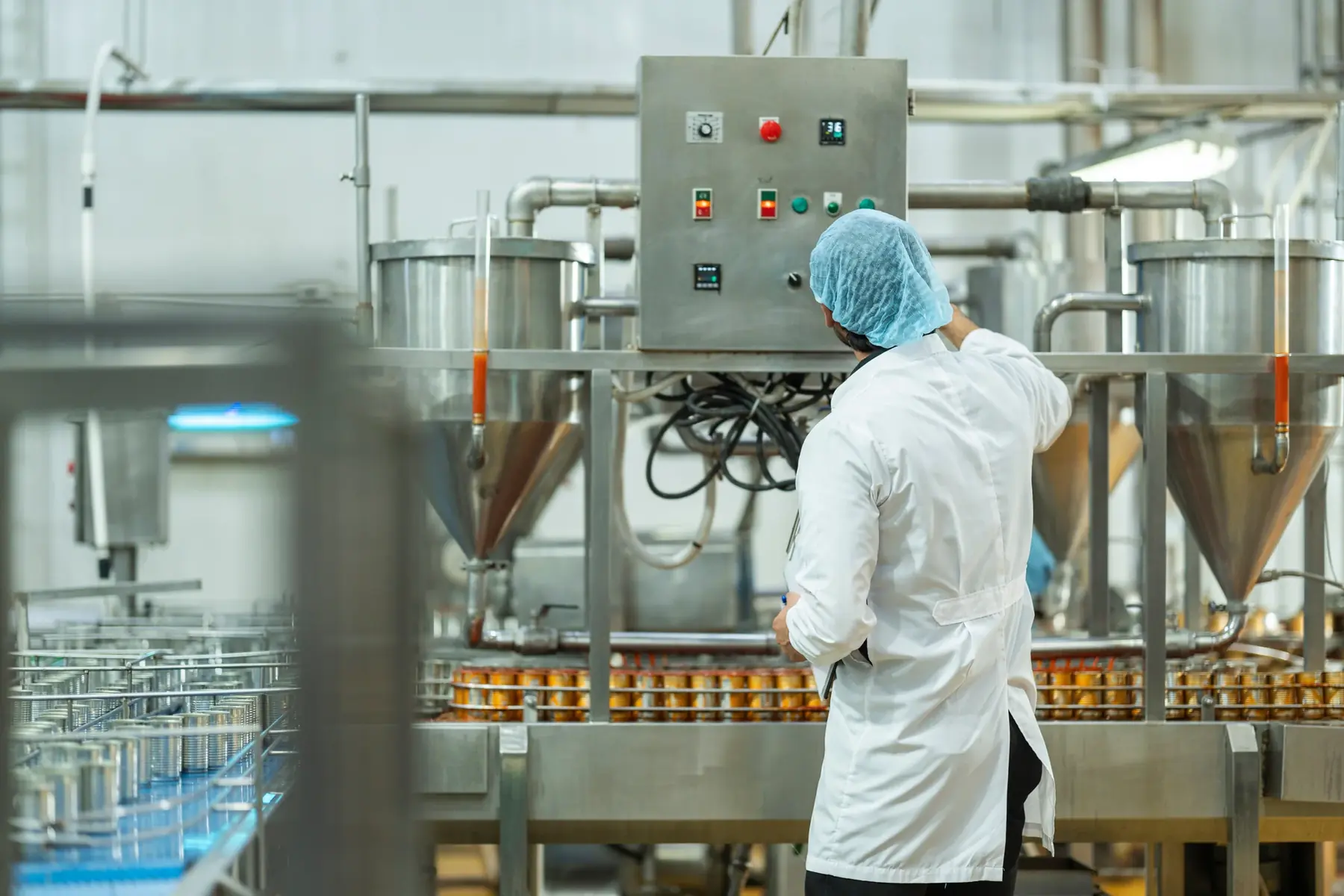
Manufacturing
General manufacturing generates a predictable core: dry mixed recycling, cardboard, plastic film, general waste and scrap metal. Around that core sit process-specific streams. Machining produces swarf and metal fines contaminated with cutting fluid. Finishing lines produce paint sludge, solvent residues and filter media. Packaging lines produce film, strapping and pallets.
The recurring problems are segregation and space. When swarf is tipped into the same container as general waste, the metal value is lost and the whole load may need reclassification. When solvent-contaminated rags are left in open bins, evaporation and fire risk both increase. Covered, labelled containers placed at the point of production usually work better than a central waste compound that everyone has to walk to.
Paperwork that matters: waste transfer notes for non-hazardous loads, consignment notes for hazardous ones, and a clear description of each stream. See manufacturing waste management for more detail.
Process plants and chemicals
Chemical and process sites deal with the widest range of streams and the tightest classification questions. Off-spec product, reaction residues, spent catalysts, tank bottoms, filter cakes and aqueous effluent all behave differently. Some are hazardous by composition. Some become hazardous through contamination during storage.
Sampling and analysis usually drive the route. Aqueous streams may need treatment before discharge or disposal, and the receiving route depends on the analysis, not on the process that produced the liquid. Tank cleaning and interceptor work add another layer, because sludge from a separator can carry hydrocarbons, metals and water in varying proportions.
Confined space work around tanks, vessels and pits is safety-critical. The Confined Spaces Regulations 1997 require avoidance of entry where possible, a safe system of work where entry is unavoidable, and emergency arrangements in place before work starts. This is competent specialist work, not a general labour task.
Food and drink
Food and drink sites produce organic waste, packaging and effluent. The organic fraction degrades quickly, which makes collection frequency a practical constraint rather than an administrative one. Cardboard and plastic film volumes are often high and steady. Sludge from effluent treatment can be substantial.
Segregation matters more here than in most sectors. Mixing food waste with dry recycling contaminates the recycling and can push the whole container to a lower route. Simpler Recycling requirements in England change what must be collected separately for many businesses, and the position differs in Wales, Scotland and Northern Ireland. Requirements should be confirmed for the site’s nation before collection arrangements are fixed.
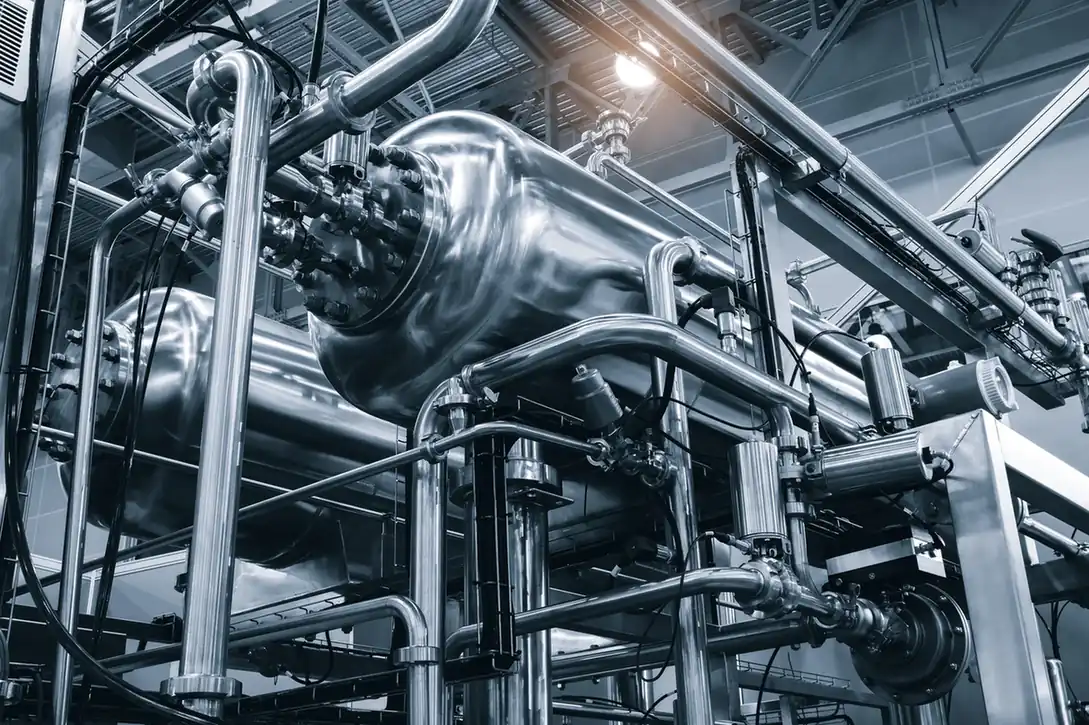
Pharmaceutical
Pharmaceutical waste can include non-hazardous general waste, hazardous chemical waste and streams that require specific handling, such as controlled drugs or sharps. Classification depends on the material’s composition, concentration and hazardous properties, not only on its name.
Documentation is usually the pressure point. Consignment notes, internal tracking from point of generation to storage, and clear labelling all matter. Denaturing requirements for certain medicines, and the separation of sharps from other streams, are common practical issues. See pharmaceutical waste management for the fuller picture.
Construction
Construction waste is bulky, mixed and site-dependent. Excavation spoil, concrete, brick, timber, plasterboard, metals, packaging and site general waste all appear on most projects. Plasterboard needs separation from biodegradable waste because of sulphate generation in landfill. Hazardous streams such as asbestos-containing materials require specialist handling and must not be mixed with general rubble.
A waste management plan can still be useful on construction projects and may be required by a client, contract or project specification. It should not be presented as a general statutory requirement simply because a project is large. See construction waste management for detail on streams and planning.
Utilities and water
Utilities and water treatment operations produce screenings, grit, sludge, filter media, and waste from maintenance of pipes, pumps and chambers. Dewatering reduces volume and transport cost, but it does not change the classification of the material. A dewatered sludge is still the same waste, just with less water in it.
Interceptor and chamber cleaning often involves confined space entry and hazardous atmospheres. The same regulations apply. Where a waste contains hydrocarbons or metals, analysis should determine the code before the disposal route is chosen.
Logistics and warehousing
Warehouse waste is dominated by packaging: cardboard, plastic film, stretch wrap, pallets and damaged goods. Volumes are high and consistent, which makes balers and compactors worth considering where space allows. Damaged or returned goods can include batteries, aerosols and electrical items, all of which need separation from general waste.
Returned electrical goods are not automatically WEEE. Electrical or electronic equipment becomes WEEE when the holder discards it, intends to discard it or is required to discard it. Returns intended for genuine reuse may remain products, depending on the circumstances. See warehouse waste management for more.
Engineering and automotive
Engineering and automotive sites produce swarf, scrap metal, waste oil, oily water, used filters, batteries and end-of-life components. Waste oil and oily water are separate streams with separate routes. Scrap metal values move with the market, so collection frequency and container choice affect both cost and return.
Vehicle dismantling and parts operations bring additional obligations around fluids, batteries and tyres. As with other sectors, the classification of a mixed stream should be established before it is containerised, because once streams are mixed the options narrow.
Getting the detail right
Across every sector, three things tend to decide whether a waste project runs smoothly: accurate classification, sensible segregation at the point of production, and records that match what actually left the site. We can help with industrial waste solutions across these sectors, including collection, disposal, recycling and the documentation that supports traceability. Where a stream is hazardous or the work is safety-critical, it needs competent specialist handling.
For a broader view of the services behind these sector pages, see industrial waste disposal and hazardous waste management. If you are reviewing your own arrangements, the waste duty of care checker produces a nation-specific checklist of questions to work through.
Free online tool
Waste Duty of Care Checker
Review common waste paperwork and collection questions relevant to your site.
Common questions
Frequently asked questions
Does the same waste code apply across all four UK nations?
The List of Waste codes are used across the UK, but the duty of care codes of practice differ. England and Wales share one code, while Scotland and Northern Ireland have their own. If you operate across borders, you need to follow the relevant code for where the waste is produced and handled.
Can I put plasterboard in with general construction waste?
Plasterboard should be kept separate from biodegradable waste. When gypsum breaks down in landfill alongside organic material it can generate hydrogen sulphide, which is why separate collection and dedicated processing routes are used. Mixing it also complicates the classification of the load.
Is dewatered sludge still hazardous if it was hazardous before?
Removing water reduces volume and weight, but it does not change what the waste contains. If the original material was hazardous, the dewatered material normally remains hazardous unless a fresh assessment shows otherwise. Classification should be based on the actual material, not on its water content alone.
Do returned electrical goods count as WEEE?
Not automatically. Electrical or electronic equipment becomes WEEE when the holder discards it, intends to discard it or is required to discard it. Returned or damaged equipment may remain EEE where the conditions for genuine reuse are met; once it is waste, it should be handled through the appropriate WEEE route.
How do I know which sector page applies to my site?
Use the section that matches your main process rather than your company name. A business with a bakery and a distribution warehouse may need to read both the food and drink and the logistics sections, because the waste streams and paperwork differ between the two operations.
Request a quote
Complete the form and we will get back to you.