
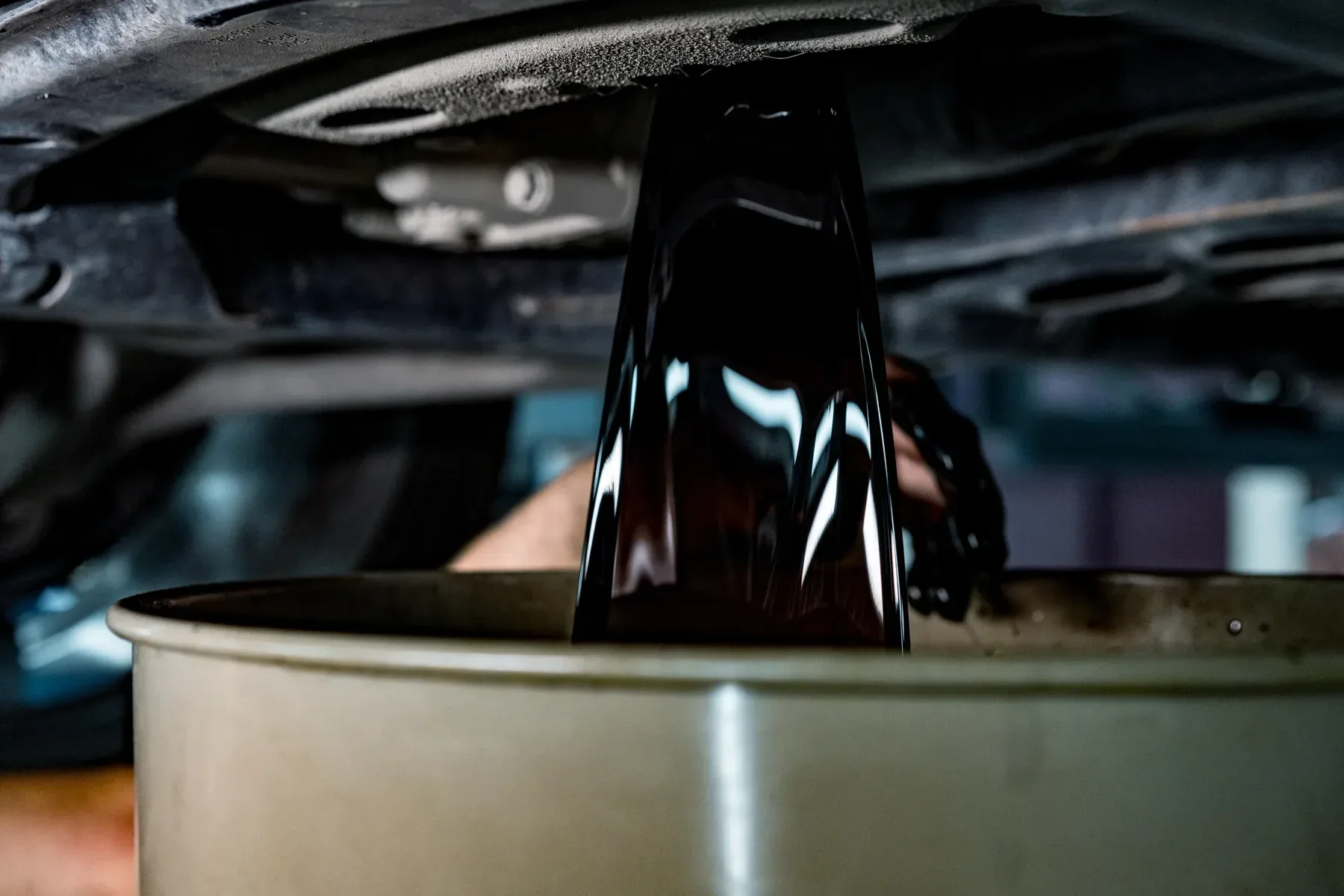
Waste services for industry
Commercial Food Waste Collection
Food waste from a factory or commercial kitchen is not one material. Off-spec product, packaged returns, liquid residues and canteen plate waste can require different containers, collection methods and treatment routes. We can help with commercial food waste collection arrangements that match how the waste actually arises.
What commercial food waste collection covers
Commercial food waste is the biodegradable food material produced by a business rather than a household. It includes preparation trimmings, out-of-date stock, off-specification product, canteen and staff kitchen waste, and food residues removed from packaging or process equipment. It can be solid, semi-solid or liquid.
The material often arrives in mixed condition. A production line might reject a batch in sealed retail packaging. A canteen might produce plate waste and cooking oil separately. A tank might hold liquid food residues that cannot go to sewer. Each stream has different handling needs, and treating them as one collection usually creates problems at the point of loading or at the treatment site.
We can help with commercial food waste collection for manufacturing sites, food producers, warehouses with staff canteens, hospitality kitchens and other premises that generate food material at commercial scale.

Separation rules in England, Wales, Scotland and Northern Ireland
Food waste law differs across the UK, so the starting point is where the premises are.
In England, Simpler Recycling requires workplaces in scope to separate food waste from residual waste for collection. Businesses that are not micro-firms have been in scope since 31 March 2025. Micro-firms with fewer than 10 full-time equivalent employees across the business have until 31 March 2027.
In Wales, workplaces producing 5kg or more of food waste in any seven consecutive days must separate it for collection. There is also a ban on sending food waste to sewer, regardless of quantity.
In Scotland, food businesses producing 5kg or more of food waste a week must present it for separate collection, subject to the rural exemption. The Scottish rules should not be described as applying the same threshold to every type of workplace.
Northern Ireland has its own waste collection and recycling duties. Food waste requirements for businesses should be confirmed with the relevant regulator or local authority, as the position is not identical to the rest of the UK.
If a site operates across more than one nation, the collection arrangements need to reflect each location. A single national contract description can hide differences in container type, frequency and documentation.
Animal by-products and food waste routes
Not all food waste is treated the same way. Material that contains or has been in contact with animal products may fall under animal by-products (ABP) rules. This affects catering waste, raw meat, dairy, eggs and some packaged foods. The category of the material determines which treatment routes are permitted and how it must be stored and transported.
Common treatment routes for commercial food waste include:
- Anaerobic digestion (AD): sealed vessels break down food waste without oxygen, producing biogas and a digestate. AD suits wet and mixed food material and can handle liquid fractions in some facilities.
- Composting: open or enclosed systems break down food waste aerobically. Composting suits certain food streams but usually requires more careful control of contamination, especially packaging.
Some ABP material must go to approved premises or be treated to a specified standard before it can be used. The correct route depends on the animal by-product category, not just the fact that the material is food. We can help with identifying which treatment route is appropriate for a given food waste stream.
Packaged food and depackaging
Packaged food waste is common in manufacturing, retail and distribution. The food may be in plastic trays, bottles, cans, cartons or bags, and the packaging may be mixed material. Sending packaged food straight to AD or composting without depackaging can cause problems, because the packaging does not break down and can contaminate the digestate or compost.
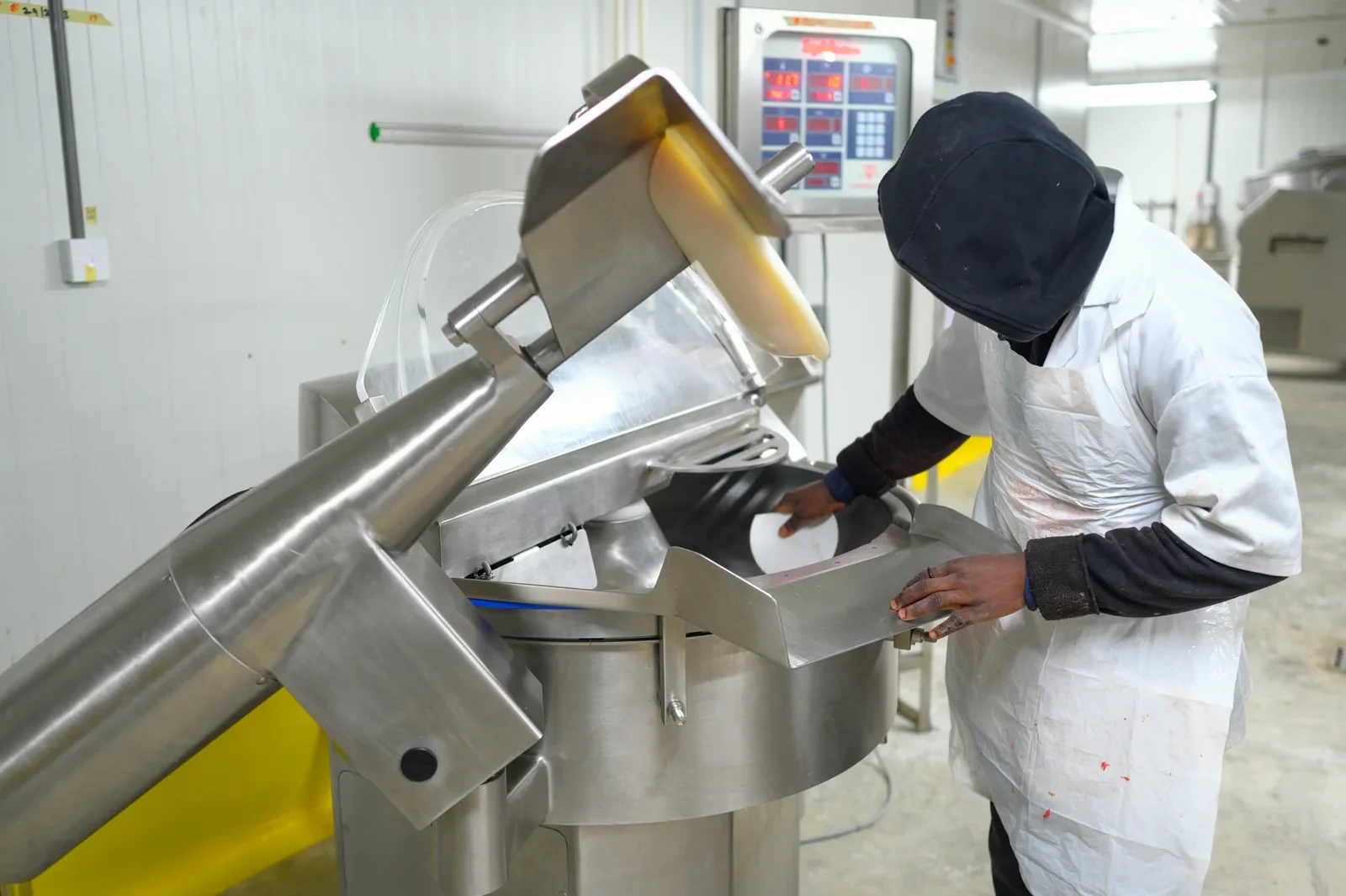
Depackaging separates food from its packaging using mechanical equipment. The food fraction then goes to AD or composting, and the packaging goes to the appropriate recycling or recovery route. Some depackaging systems can handle liquid and semi-liquid products, while others are designed for dry packaged goods.
Where depackaging is not available or not suitable, the packaged food may need to go to energy recovery or another permitted route. The choice depends on the packaging type, the food content and the treatment facility’s permit. We can help with arranging collection of packaged food waste and identifying a suitable depackaging or treatment option.
Liquid food waste and tanker removal
Liquid food waste includes process residues, wash-down water with food content, tank bottoms, brines, syrups and liquid off-spec product. Whether a liquid can go to sewer depends on its composition, location and any applicable trade effluent consent. In Wales, sending food waste to sewer is prohibited. These liquids are not suitable for a standard solid-waste collection simply because they contain food material.
Tanker removal is often the practical option for liquid food waste. The tanker size, access requirements and discharge point need to be checked before collection. Some liquids need to be kept separate from other waste streams, and some may need treatment before they can be accepted at a facility.
Liquid food waste can also be hazardous in some circumstances. For example, a liquid may contain cleaning chemicals or preservatives that change its classification. A material name alone does not determine whether waste is hazardous. Classification depends on the composition and properties of the actual waste, and should be assessed using the relevant technical guidance.
We can help with liquid food waste collection and tanker removal for sites that cannot discharge to sewer or that need a documented collection route.
Containers, frequency and hygiene
Food waste containers range from small caddies for canteen use to larger wheeled bins and skips for production waste. The right choice depends on volume, weight, how quickly the material breaks down and how often it needs to be emptied.
Food waste decomposes and can attract pests, so collection frequency matters. In warm weather or where large volumes accumulate, more frequent lifts may be needed. Containers should be cleanable and, where required, lidded. Sites that handle raw meat or other high-risk material may need sealed containers and a wash-down routine.
Access also affects the arrangement. A container that cannot be reached by the collection vehicle, or that blocks a fire exit or loading bay, will cause missed collections. Bin locations, lifting equipment and site traffic should be considered before the first collection.
We can help with choosing container types and lift frequencies that fit the site’s production pattern and storage space.
Documentation and duty of care
Food waste is controlled waste, and the duty of care applies to anyone who produces, carries, keeps, treats or disposes of it. That means the waste must be transferred to an authorised person, described accurately, and accompanied by the correct documentation.
For non-hazardous commercial food waste, a waste transfer note or another document containing the required information is generally used for the transfer. Hazardous or special waste has separate consignment requirements depending on the UK nation. From 1 October 2026, permitted or licensed waste receiving sites in England and Wales must also report received controlled waste through the digital waste tracking service. Later phases apply to other parts of the waste chain and to Scotland and Northern Ireland.
Waste documentation supports traceability. It does not, by itself, prove that the waste was handled lawfully at every stage. The producer still needs to check that the carrier is authorised and that the destination is permitted to accept the material.
We can help with the documentation that accompanies commercial food waste collection, including transfer notes and, where relevant, consignment notes. For more detail on duty of care, see our waste transfer note page and the waste duty of care checker.
Related waste streams and further reading
Food waste often arises alongside other commercial waste. Cardboard, plastic film and dry mixed recycling may come from the same production or packing area. Where a site also produces liquid waste that is not food, separate arrangements may be needed. Our liquid waste disposal page covers non-food liquids, and commercial waste management covers general business waste.
For sites in England, the Simpler Recycling page explains the separation requirements. Manufacturers may also find the manufacturing waste management page useful for production waste streams.
Official guidance on waste classification is available from the Environment Agency: Waste classification technical guidance. The duty of care code of practice is published at Waste duty of care code of practice. Hazardous waste rules are summarised at Dispose of hazardous waste.
Free online tool
Waste Duty of Care Checker
Review common waste paperwork and collection questions relevant to your site.
Common questions
Frequently asked questions
Does my business have to separate food waste?
It depends on where the premises are and, in England, whether the business is still within the temporary micro-firm exemption. Wales requires separate collection where a workplace produces 5kg or more of food waste in any seven consecutive days. In Scotland, the requirement applies to food businesses producing 5kg or more a week, subject to the rural exemption. Northern Ireland has its own rules.
Can packaged food waste go to anaerobic digestion?
Packaged food usually needs depackaging first. The food fraction can then go to AD or composting, while the packaging goes to a separate recycling or recovery route. Sending packaged food straight to treatment can contaminate the digestate or compost and may not be accepted.
Can liquid food waste go to sewer?
In Wales, food waste to sewer is banned. In other parts of the UK, discharge may be allowed only with consent and within set limits. Many liquid food wastes are collected by tanker instead. The correct route depends on the composition and the local discharge rules.
Is food waste always non-hazardous?
No. Food waste can be hazardous if it contains or is mixed with substances that give it hazardous properties, such as certain cleaning chemicals or preservatives. Classification depends on the actual composition and properties, not the name of the material. It should be assessed using the relevant technical guidance.
What documentation is needed for commercial food waste collection?
Non-hazardous commercial food waste transfers generally need a waste transfer note or another document containing the required information. Hazardous or special waste has separate consignment requirements depending on the UK nation. From 1 October 2026, permitted or licensed receiving sites in England and Wales must also use the digital waste tracking service for received controlled waste. Documentation supports traceability but does not by itself prove legal compliance.
Request a quote
Complete the form and we will get back to you.