
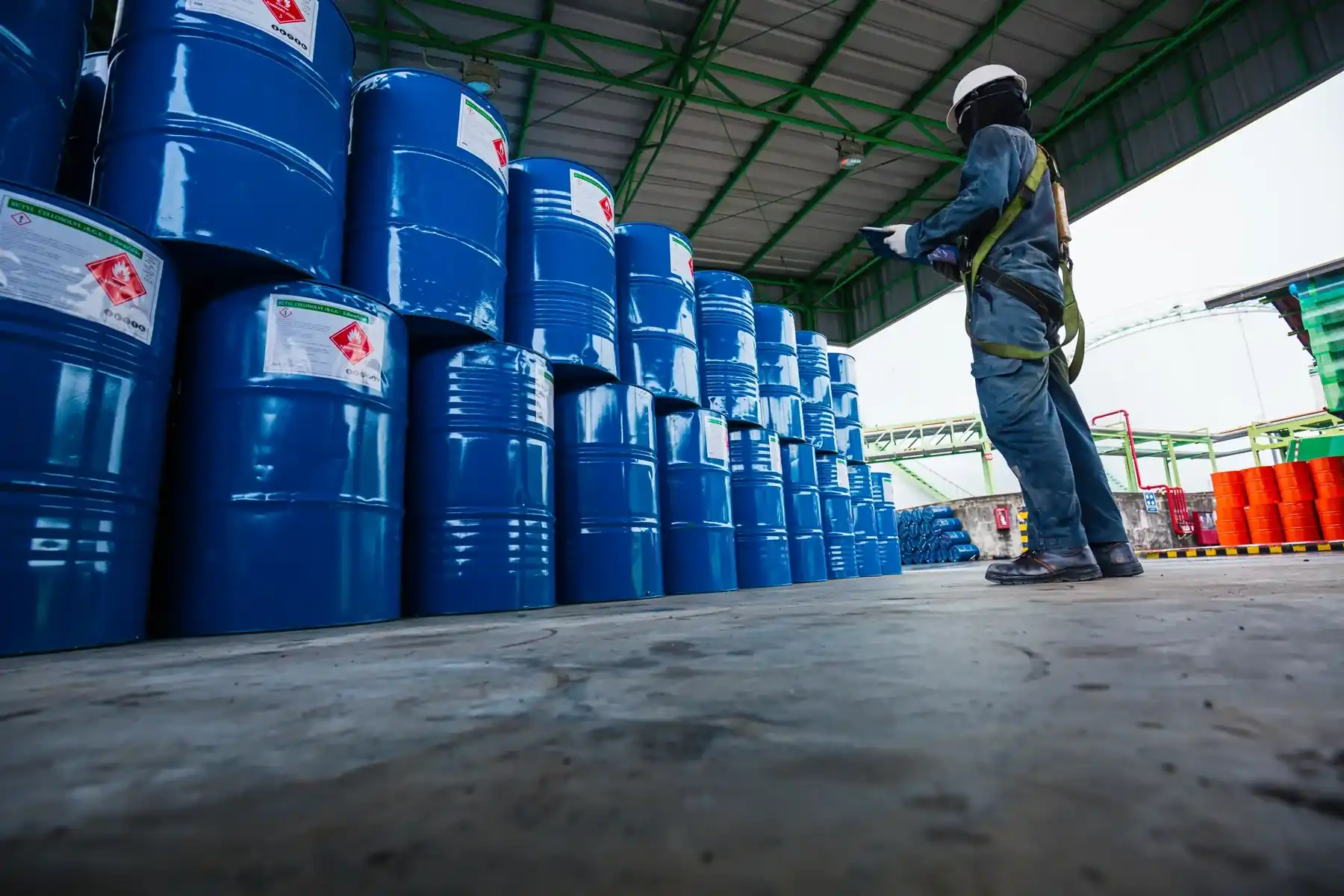
Waste services for industry
Manufacturing Waste Management
A factory rarely has one waste problem. It has several, spread across production, maintenance, the loading bay, stores and offices. We can help with manufacturing waste management that reflects how each area actually works and what each stream needs.
Why factory waste management is rarely one problem
Manufacturing sites generate waste in patterns that follow the production process. A single line can produce offcuts, rejected components, packaging, spent coolant and floor sweepings within one shift. Each of those streams behaves differently. Some are dry and bulky. Some are wet, oily or reactive. Some carry contamination that changes how they must be classified and handled.
Putting all factory waste into one mixed skip can increase disposal cost and reduce the amount that can be recovered. It also gives you poor data on which line or process is producing each stream. A more useful approach is to review the site area by area, identify the main waste streams and decide which need to be kept separate before collection.
We can help with manufacturing waste management that starts from that walk-through rather than from a container size.
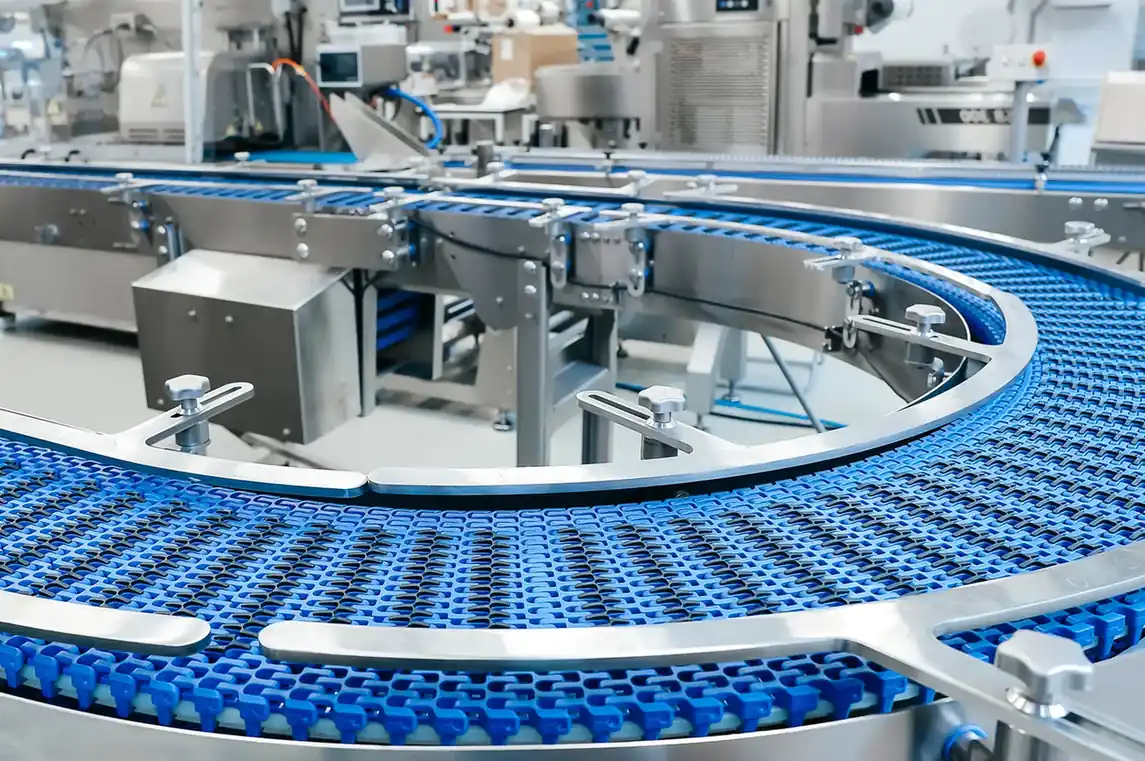
Production areas and line-side waste
Production areas tend to generate the most varied waste. Typical streams include metal swarf and offcuts, plastic runners and rejects, cardboard and paper packaging, film and shrink wrap, and floor sweepings from general housekeeping. Where processes use lubricants, coolants or solvents, there may also be oily rags, absorbents and spent fluid.
Segregation at the point of production matters more than most sites expect. A bin placed at the end of a line will collect whatever is nearest. A bin placed at the specific operation that produces the waste will collect a cleaner stream. That difference affects recycling options and, in some cases, whether a material can be recovered at all.
Waste data by line is useful for continuous improvement. If you weigh or count waste by production area, you can compare output against production volume and see where material is being lost. Cost per tonne is a blunt measure on its own, but it becomes more useful when split by stream and by area. It can show whether a change in tooling, packaging or setup has reduced waste, or simply moved it somewhere else.
We can help with industrial recycling for production scrap and with scrap metal recycling where metal is a significant stream.
Maintenance workshops and engineering stores
Maintenance workshops generate a different mix. Waste oils, oily filters, used absorbents, solvent containers, batteries, aerosol cans, contaminated rags and scrap components are common. Many of these streams can have hazardous entries or hazardous properties, so classification needs to consider the actual material, its composition and any contamination. A container that held a hazardous substance also needs to be assessed before it is treated as an ordinary empty container.
Classification should follow the Environment Agency’s technical guidance for waste classification, which sets out how to assess waste against the List of Waste codes and hazardous properties. That assessment is a technical exercise. It is not something to guess from a product name or a safety data sheet alone.
Storage matters in workshops. Oils and solvents should be kept in suitable containers, away from drains and surface water routes, and separated from general waste. Spill kits and bunded storage are common controls, but the specific arrangements depend on the volume and the site.
We can help with waste oil disposal and with hazardous waste streams from maintenance activities.
Loading bays, goods in and despatch
The loading bay is often the busiest waste area on a manufacturing site. Packaging arrives and leaves here. Pallets, cardboard, stretch film, strapping, corner boards and damaged goods all accumulate quickly. In some factories the loading bay is also where waste containers are stored, which means traffic, weather and contamination all affect the waste.
Cardboard and film are often practical streams to separate at the loading bay. Baling can reduce their storage volume where the material and throughput justify the equipment. At lower volumes, a covered container or another collection arrangement may be more practical. The choice depends on the material, available space and collection frequency.
Pallets are a separate stream. Standard wooden pallets can often be reused or repaired before they are recycled. Broken or contaminated pallets may need a different route. Keeping reusable pallets out of the waste container is usually worth the effort.
We can help with cardboard balers, waste compactor hire and pallet collection.

Stores, offices and canteen
Stores and offices generate waste that is easy to overlook because it is not part of production. Cardboard, paper, printer cartridges, batteries, lamps and electrical items all appear here. Under the Waste Electrical and Electronic Equipment Regulations, many electrical items have separate collection requirements. Batteries and lamps also need care because of their composition.
Canteens and staff areas produce food waste and dry recyclables. In England, Simpler Recycling rules have applied to most workplaces since 31 March 2025; micro-firms with fewer than 10 full-time equivalent employees have until 31 March 2027. Wales, Scotland and Northern Ireland have their own workplace recycling requirements.
Office and canteen waste is usually a small proportion of the total by weight, but it affects how staff see the whole waste system. If the bins in the canteen are confusing, the bins on the line will be too.
Waste data, cost and continuous improvement
Waste data is most useful when it is tied to something the business already measures. Cost per tonne is a starting point, but cost per unit produced or cost per shift often tells a clearer story. If a line produces more waste per unit after a change, that is worth investigating. If a stream becomes cleaner and moves from disposal to recycling, the cost difference should show in the data.
Waste transfer notes and hazardous waste consignment notes support traceability. They record what left the site, when, and where it went. They do not, on their own, prove that the whole waste operation is legally compliant. Duty of care is a broader obligation that covers storage, segregation, carrier checks and the accuracy of descriptions.
We can help with waste audits and with zero waste to landfill planning where that is a genuine goal rather than a slogan.
Choosing containers and collection arrangements
Container choice follows from the streams, the volumes and the site layout. A manufacturing site might need several small containers close to production, a larger container at the loading bay, and secure storage for hazardous items. Roll on roll off containers suit bulky dry waste. Front end loaders suit regular mixed waste. Skips suit one-off clearances. Compactors and balers suit high-volume dry materials.
Access is often the limiting factor. Low bridges, tight turns, weight limits and parking arrangements can rule out some vehicle types. It is worth checking access before agreeing a container size, because a container that cannot be emptied reliably becomes a problem rather than a solution.
We can help with industrial waste collection and with roll on roll off skip hire for larger volumes.
Frequently asked questions
Common questions about manufacturing waste management are answered below.
Free online tool
Waste Duty of Care Checker
Review common waste paperwork and collection questions relevant to your site.
Common questions
Frequently asked questions
How do we know if our manufacturing waste is hazardous?
Hazardous classification depends on the substances present and their concentration, not on the name of the waste alone. The Environment Agency's waste classification technical guidance sets out how to assess waste against List of Waste codes and hazardous properties. A competent assessment is usually needed, and a safety data sheet on its own is not enough.
Can we put all factory waste in one skip?
Not as a general rule. Different streams can have different segregation, classification and collection requirements, and mixing can reduce recycling options or contaminate recoverable material. The right arrangement depends on what the factory produces.
What is the difference between a waste transfer note and a hazardous waste consignment note?
A waste transfer note covers non-hazardous waste movements and records the description, quantity and destination. A hazardous waste consignment note is used for hazardous waste and includes additional information. Both support traceability, but neither proves that the whole waste operation is compliant.
Do we need a baler or a compactor?
It depends on the material, volume, space and collection arrangement. A baler can suit consistent volumes of cardboard or film, while a compactor can suit some compactable dry wastes. Equipment size and output vary, so the choice should be based on the actual waste stream rather than a standard package.
Does Simpler Recycling apply to our factory?
In England, Simpler Recycling rules have applied to most workplaces since 31 March 2025. Micro-firms with fewer than 10 full-time equivalent employees have until 31 March 2027. Wales, Scotland and Northern Ireland have separate workplace recycling requirements.
Request a quote
Complete the form and we will get back to you.