
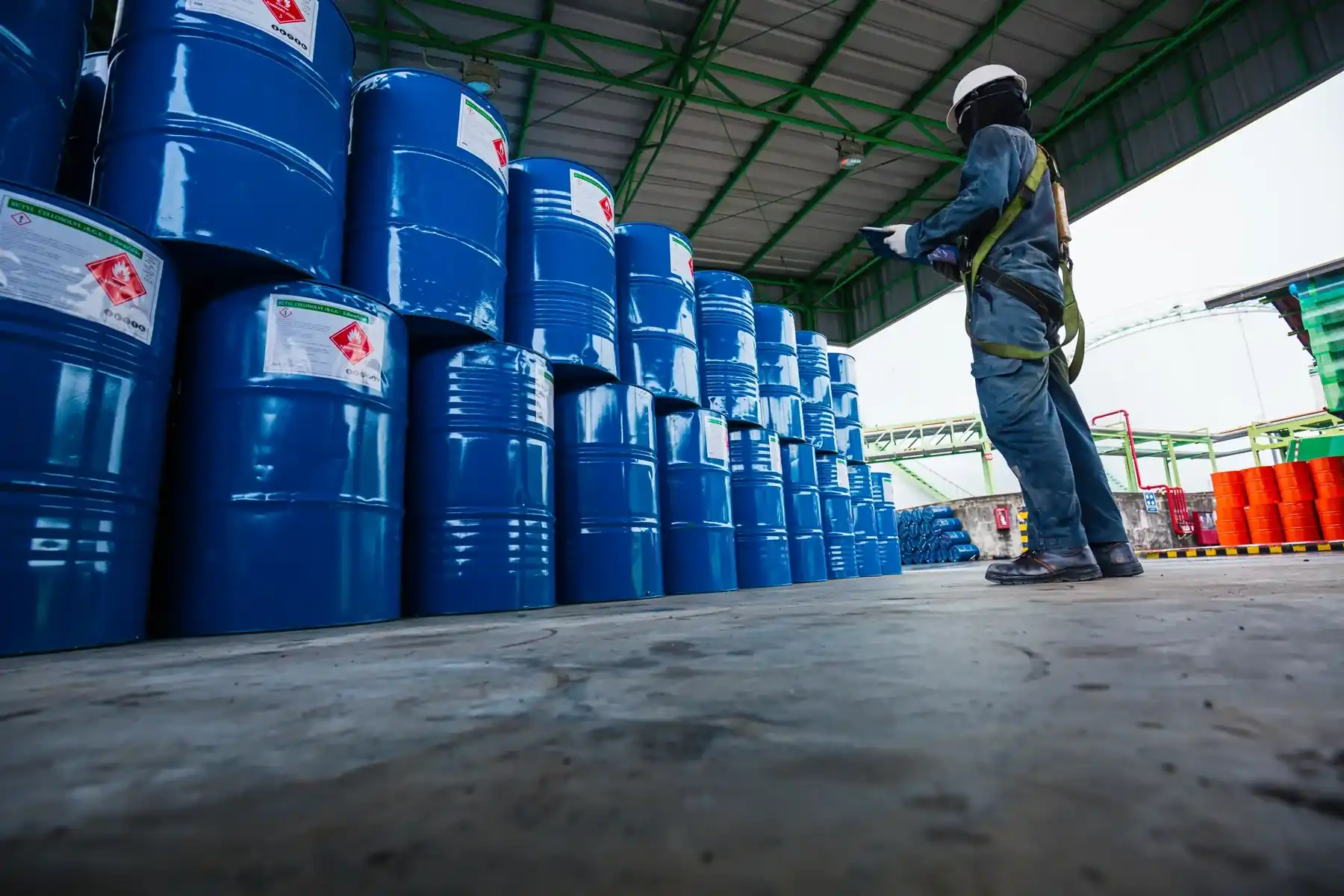
Waste services for industry
Warehouse Waste Management
Warehouses and distribution centres can generate large volumes of packaging waste alongside pallets, returned stock, WEEE and general site waste. We can help arrange the right collection or recovery route for each stream based on what you have, how much there is and how it is stored.
Waste streams from warehousing and logistics
Warehouse and logistics operations produce a predictable mix of materials, but the volumes and condition vary widely between sites. A regional distribution centre handling palletised goods will generate different waste to a parcel hub or a cold store. Understanding which streams dominate your tonnage is the first step in deciding how to store and collect them.
Common streams include:
- Corrugated cardboard from inbound and outbound packaging
- LDPE stretch film and shrink wrap
- Wooden pallets, both standard and non-standard
- Plastic and steel strapping
- Damaged, returned or obsolete stock
- WEEE from scanners, terminals and powered equipment
- Food waste from canteens and staff areas
- General waste from offices, welfare and floor sweepings
Storage, handling and documentation depend on the material and how it is managed. Keeping clean recyclable streams separate can preserve more recovery options and avoid unnecessary contamination.
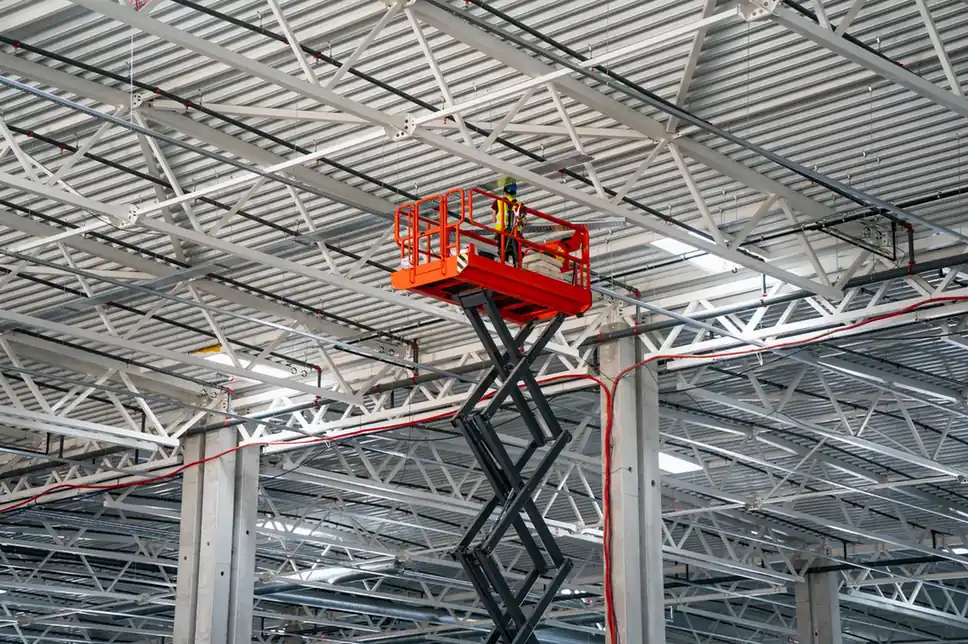
Cardboard and film: volume reduction on site
Cardboard and LDPE film are common high-volume recyclable streams at logistics sites. Where enough material is generated and the site has suitable space and handling arrangements, baling or compaction can reduce the volume presented for collection.
A vertical or semi-automatic baler can reduce cardboard volume significantly. The choice between a baler and a compactor depends on throughput, available floor space, staffing and whether the baled material has a resale route. Film behaves differently to cardboard: it compresses well but can spring back, and contaminated film with tape or labels may be rejected by reprocessors.
We can help with cardboard balers and waste compactor hire for sites that need to reduce collection frequency. The practical questions are how much material you generate per shift, where the baler will sit relative to fire exits and sprinkler coverage, and who will operate it.
Pallets, strapping and damaged stock
Wooden pallets accumulate quickly at sites that receive mixed loads. Standard Euro and UK pallets in good condition may have a return or resale route. Broken pallets and odd sizes usually need a different approach, and treated wood may need to be kept separate from untreated timber.
Damaged and returned stock is more complicated. Some goods can be returned to the supplier through reverse logistics. Others need to be destroyed, and the site may need evidence that the goods were destroyed rather than resold or diverted. Destruction certificates are issued by the operator carrying out the work, and the level of detail depends on what the brand owner or insurer requires.
We can help with pallet collection and with arrangements for damaged stock where a destruction record is needed. The key decision is whether the stock is being recycled, recovered or destroyed, because that affects the documentation and the destination.
WEEE from warehouse equipment
Scanners, handheld terminals, printers, monitors and powered equipment all become waste electrical and electronic equipment when discarded. Some items contain batteries, which need separate handling and can affect how the item is classified and transported.
WEEE is not automatically hazardous, but some components are. A definite classification cannot be made from the item name alone. The producer or holder is responsible for classifying waste correctly, and the Environment Agency’s waste classification technical guidance sets out how that assessment is done.
We can help with WEEE recycling for warehouse and logistics equipment. Sites should keep WEEE separate from general waste and follow the storage and battery-safety requirements that apply to the equipment involved.
Canteen and welfare waste
Sites with staff canteens or large welfare areas produce food waste that needs separate collection under simpler recycling requirements in England. The rules differ across the UK: England, Wales, Scotland and Northern Ireland each have their own arrangements and timescales, so the requirement should be checked for the nation where the site sits.
We can help with commercial food waste collection for canteens and staff kitchens. Food waste should be kept out of general waste where separate collection is required, and containers need to be suitable for the volume and frequency of collection.
Duty of care and documentation
Every business that produces, stores or handles waste has a duty of care. In England and Wales the waste duty of care code of practice explains what that involves. Scotland and Northern Ireland have their own codes, and sites operating across borders need to follow each one.
Waste transfer notes and hazardous waste consignment notes support traceability. They record what was collected, when and by whom, but they do not by themselves prove that waste was handled correctly at every stage. Sites should keep copies and check that carriers hold the correct registration.
We can help with waste transfer notes and with understanding what documentation is needed for each stream. Digital waste tracking is being introduced across the UK, and the requirements are changing, so current guidance should be checked rather than relying on older paperwork habits.
Storage, access and site layout
How waste is stored affects collection cost, safety and how much material can be recovered. Bins, cages, RoRo containers and compactors all have different space and access requirements. A site with tight yard space may need fewer, larger containers, while a site with multiple loading bays may prefer smaller containers closer to where waste arises.
Fire risk is a real consideration for stored cardboard, film and pallets. Keeping combustible waste away from ignition sources, maintaining separation distances and following the site’s fire risk assessment are practical steps. Container placement should not block fire routes or emergency access.
We can help with roll on roll off skip hire and with planning storage that matches the site’s layout and collection frequency.
Making the waste operation work day to day
The best-designed waste system fails if it does not fit the shift pattern. Staff need to know which container takes which material, and supervisors need a way to spot contamination before it becomes a rejected load. Simple signage, consistent container colours and a short induction for agency staff all help.
Reviewing waste data periodically shows which streams are growing, which containers are being filled too quickly and where contamination is costing money. A waste audit can provide a structured starting point for sites that have not reviewed their arrangements recently.
We can help with warehouse waste management across these streams, from baler and compactor selection through to collection arrangements and documentation. The practical starting point is usually a walk round the site to see what is generated, where it is stored and how it leaves.
Free online tool
Waste Duty of Care Checker
Review common waste paperwork and collection questions relevant to your site.
Common questions
Frequently asked questions
Do warehouses need separate food waste collection?
In England, businesses above a certain size are required to separate food waste for collection under simpler recycling rules. Wales, Scotland and Northern Ireland have their own arrangements. The requirement depends on the nation where the site is located and the site's circumstances, so it should be checked against current guidance.
Can damaged stock be destroyed with a certificate?
Yes, where the brand owner or insurer requires evidence of destruction, the operator carrying out the work can issue a destruction certificate. The level of detail varies, and the site should agree what evidence is needed before the work is arranged.
Is WEEE from warehouse equipment hazardous?
Not automatically. Some WEEE contains hazardous components such as batteries or capacitors, but a definite classification cannot be made from the item name alone. The producer or holder is responsible for classifying waste correctly, and the Environment Agency's waste classification technical guidance explains how that assessment is done.
How should cardboard and film be stored?
Baling or compacting cardboard and film can reduce the space taken up by loose material and may reduce collection frequency where volumes justify it. Storage should reflect the site's fire risk assessment and the collector's acceptance requirements, and containers should not block fire routes or emergency access.
What documentation does a warehouse need for waste?
Waste transfer notes are needed for most waste movements, and hazardous waste consignment notes apply where waste is classified as hazardous. These records support traceability but do not by themselves prove that waste was handled correctly at every stage. Sites should keep copies and check that carriers hold the correct registration.
Request a quote
Complete the form and we will get back to you.