
Waste services for industry
Wales Workplace Recycling Regulations
Workplaces in Wales must separate six specified recycling streams for collection. The rules also cover food waste disposal, waste handling and the duties of collectors.
What the Welsh workplace recycling rules require
Since 6 April 2024, workplaces in Wales have had to separate specified recyclable materials and present each stream for collection separately from the others and from other controlled waste. The duty sits in section 45AA of the Environmental Protection Act 1990, inserted by the Environment (Wales) Act 2016, with the detail set by the Waste Separation Requirements (Wales) Regulations 2023. It applies to businesses, charities and public sector organisations, and to the collectors and processors handling household-like workplace waste.
The Wales workplace recycling regulations apply regardless of how many employees a business has. They specify which recyclable materials must be separated, which may share a container and what happens to the waste after collection. A site manager arranging commercial waste collections needs to check the materials produced, the containers available and whether the collection arrangements meet those requirements.
The six streams that must be kept apart
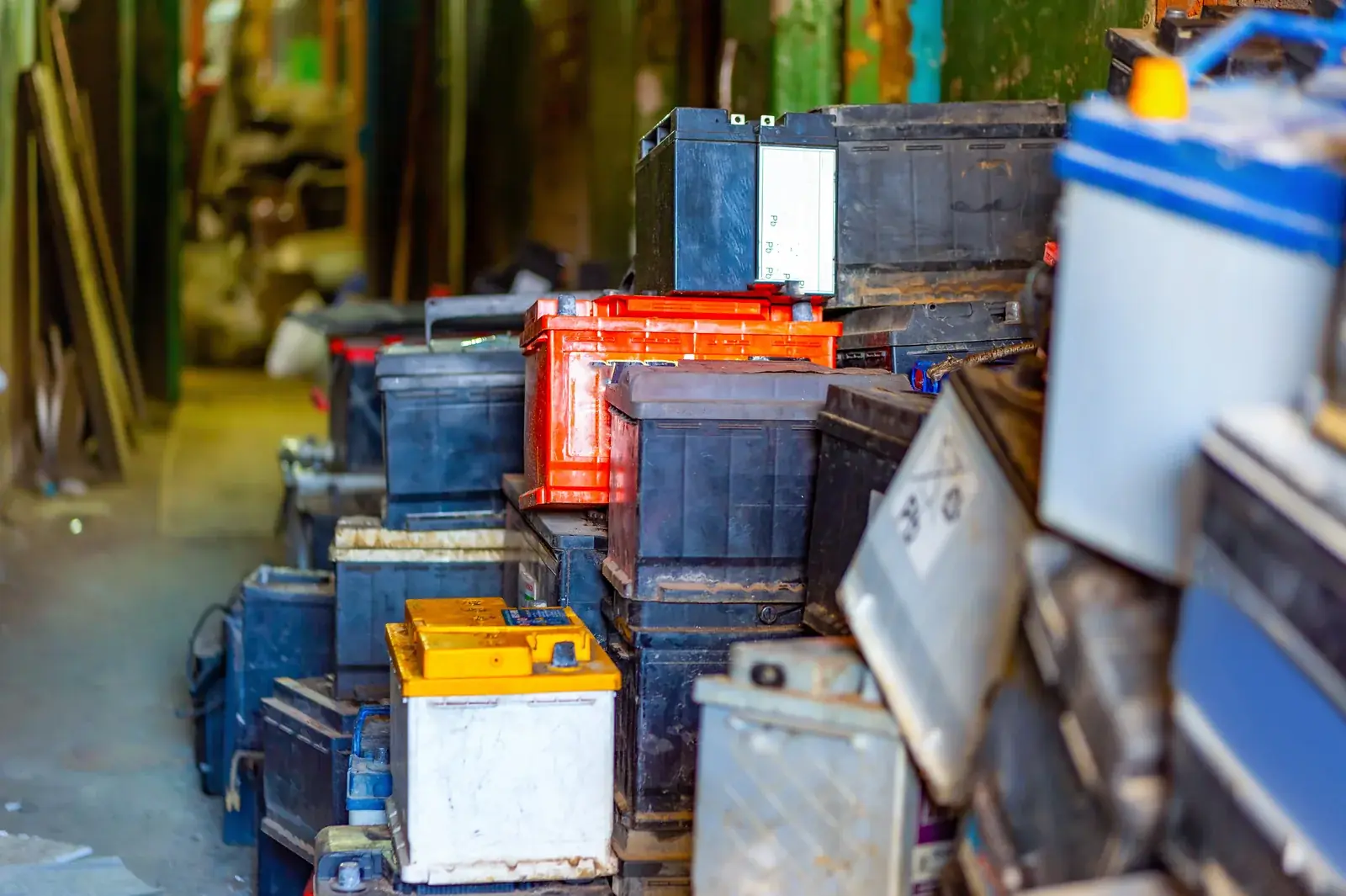
The regulations define the recyclable waste streams as glass; cartons and similar, metal and plastic; paper and card; food waste; small waste electrical and electronic equipment; and unsold textiles. Each stream must, as a minimum, be presented for collection separately from every other recyclable stream and from other controlled waste.
- Glass: Must be kept separate from the other recyclable streams.
- Metal, plastic and cartons: May be presented together in one container.
- Paper and card: May be presented together in one container.
- Food waste: Must be separated where the premises produces five kilogrammes or more in any seven consecutive days.
- Small waste electrical and electronic equipment: Must be separated, subject to the applicable exclusions.
- Unsold textiles: Must be presented separately from the other recyclable streams.
Cartons and similar means fibre-based composite packaging made from layers of material that cannot be separated by hand. This includes relevant laminated cartons and similar packaging. Glass cannot be added to the container used for metal, plastic and cartons simply because all four materials are recyclable.
At an industrial or commercial premises, the containers should reflect the waste produced in offices, staff areas, stores and other relevant parts of the site. Waste collected together from different parts of a building still needs to remain separated into the required streams. The Welsh Government workplace recycling guidance provides the official overview of the permitted material groups.
Food waste and the ban on using the sewer
Food waste from premises producing less than five kilogrammes in any seven consecutive days falls outside the food waste stream. Premises producing five kilogrammes or more in that period must separate the food waste for collection. This can include offices with staff kitchens, canteens, catering operations and workplaces that serve food occasionally. The amount produced determines whether the separate food waste collection requirement applies.
Where it is not reasonably practicable to separate food from its original packaging, the packaged food may be presented within the food waste stream provided the material goes for preparation for re-use or recycling. This provision does not remove the general requirement to keep food waste separate from other waste.
There is also a separate restriction on discharging food waste into the sewer. An occupier of premises in Wales must not discharge food waste into a public sewer, or into a drain or sewer connecting to one, and must not knowingly cause or permit that to happen. The prohibition applies regardless of the quantity of food waste produced.
The Welsh Government guidance confirms that this covers macerators and similar equipment such as enzyme digesters and dewaterers when used to discharge food waste to sewer. The prohibition came into force on 6 April 2024, and contravening it without reasonable excuse is an offence carrying a fine. Our commercial food waste collection page covers the containers and collection arrangements for this material.
What changed on 6 April 2026
The Waste Separation Requirements (Wales) (Amendment) Regulations 2026 made three changes that took effect from 6 April 2026. The small electrical stream is no longer limited to unsold items, so small waste electrical and electronic equipment within the scope of the requirement must be separated. The exemption that had applied to hospitals until that date was removed. Expanded polypropylene packaging was also removed from the plastic sub-fractions.
The Welsh Government describes small electricals as items with a plug, battery or cable measuring 50 centimetres or less on every side, giving examples such as laptops, phones, kettles, power tools, lighting and medical devices. Equipment categorised as hazardous under the Hazardous Waste (Wales) Regulations 2005, or contaminated by hazardous waste, is excluded from this stream and must be managed under the applicable hazardous waste controls.
For a workplace, this means checking where unwanted small electrical items are stored and how they are collected. Electrical equipment should not automatically be placed in general waste or mixed dry recycling. Our WEEE recycling page covers the handling and collection of electrical items once they are out of use.
Who is responsible for separating workplace waste?
Two groups have duties under the separation requirements. An occupier of premises in Wales who presents controlled waste for collection must do so in accordance with the applicable requirements. Separately, businesses that collect controlled waste from premises in Wales, or receive, keep, treat or transport controlled waste in Wales, have duties relating to the separation and handling of that waste. The legislation also covers relevant undertakings operating without profit and organisations exercising public functions.
In shared and managed buildings, the occupiers of a workplace must ensure recycling is separated for collection, whether they own, lease, rent or temporarily occupy the premises. Where several workplaces share a location, each organisation remains responsible for its waste arrangements, even where a central collection service is agreed with the landlord or facilities manager.
A shared bin store can form part of those arrangements, provided the required recycling streams remain separate. Occupiers should establish which containers are available, who arranges collection and how waste is managed between its point of generation and collection.
How Wales differs from Simpler Recycling in England
Businesses operating premises in both Wales and England need to account for the different separation requirements. The main differences are:
- Timing: Wales introduced its workplace requirements on 6 April 2024. England introduced its workplace Simpler Recycling requirements on 31 March 2025, with micro-firms of fewer than ten full-time equivalent employees having until 31 March 2027.
- Scope: Wales has no employee threshold for the workplace separation duty.
- Streams: Wales specifies six recyclable streams, with glass collected separately. England groups recyclable materials differently and has specific requirements governing separate collection and permitted co-collection.
- Textiles and small electricals: Wales includes unsold textiles and small waste electrical equipment as named streams. England’s workplace Simpler Recycling material groups do not include equivalent named streams.
- Disposal restrictions: Wales prohibits food waste being discharged to sewer, restricts the landfill and incineration of separately collected recyclable waste, subject to the relevant exceptions, and prohibits wood waste being sent to landfill.
Our Simpler Recycling requirements for England page explains the English collection rules. Scotland and Northern Ireland have their own waste management requirements, so collection arrangements should be checked against the rules applying to each premises.
Enforcement and the code of practice
Natural Resources Wales is responsible for regulating the separation requirements and the prohibition on separately collected recycling going to incineration or landfill. Local authorities are responsible for enforcing the ban on food waste going to sewer. Failure to comply with the relevant requirements can lead to a fine, and civil sanctions may be available for relevant offences.
The statutory code of practice on the separate collection of waste materials for recycling provides practical guidance on compliance. A code issued under section 45AB of the Environmental Protection Act 1990 is admissible in evidence in proceedings and must be taken into account by a court where it appears relevant. The code helps workplaces understand the requirements but does not replace the legislation.
Waste transfer notes, collection agreements and records showing how recyclable materials are handled can help demonstrate the arrangements in place. The Welsh Government guidance for workplaces explains the responsibilities of occupiers and provides practical advice on arranging separate recycling collections.
What an industrial site in Wales should check
Workplace recycling duties sit alongside the controls that already apply to production and process waste. The separation requirements principally concern household-like waste from workplaces, including relevant packaging and waste from offices and welfare facilities. Industrial process waste must be assessed according to its own composition and classification. Hazardous waste is subject to separate controls rather than being placed into the ordinary workplace recycling streams. Our hazardous waste management page covers that distinction.
Containers and segregation: Check where the required recyclable materials are produced and whether suitable containers are available. An office, warehouse and production building may need different arrangements depending on the waste arising in each area. Recycling should remain separated when transferred from smaller indoor bins to external containers awaiting collection.
Collection arrangements: Confirm that the registered waste carrier collecting each stream can handle it in accordance with the Welsh separation requirements. Check that collection agreements describe the materials being collected and that the arrangements do not result in streams being mixed contrary to the rules.
Waste paperwork: Waste transfer notes should accurately describe the waste being passed to the collector. The relevant duty of care requirements continue to apply, including checking that waste is transferred to an authorised person. For recurring collections, the documentation and collection arrangements should reflect the materials actually arising at the premises.
Hazardous waste: Check whether the premises needs to register as a hazardous waste producer with Natural Resources Wales. Registration generally applies where more than 500 kilogrammes of hazardous waste is produced or stored in a year, subject to the relevant exemptions. Registration is renewed every twelve months. Hazardous waste movements require the appropriate consignment documentation.
Storage and equipment: Consider whether the existing bins, balers, compactors and storage areas are suitable for the materials being collected. Equipment used for one waste stream should not result in recyclable materials being mixed with another stream or with residual waste. For larger premises, the amount and type of material arising will determine the most appropriate container and collection arrangements.
When reviewing industrial waste management arrangements in Wales, identify the waste produced at each part of the site, match it to the required recycling stream and confirm that storage, collection and paperwork are consistent. This provides a practical basis for discussing any changes needed with the waste collection provider.
Free online tool
Waste Duty of Care Checker
Review common waste paperwork and collection questions relevant to your site.
Common questions
Frequently asked questions
What do the Wales workplace recycling regulations require?
Workplaces in Wales must separate glass; metal, plastic and cartons; paper and card; food waste where the threshold applies; small waste electrical and electronic equipment; and unsold textiles. Each stream must be presented separately from the others and from other controlled waste. The duty has applied since 6 April 2024 to businesses, charities and public sector organisations, with changes to the small electricals requirement from April 2026.
Which materials can be mixed together in Wales?
Metal, plastic and cartons may share one container, and paper and card may share another. Glass must be presented on its own. Food waste, small waste electrical equipment and unsold textiles each have to be kept separate where the relevant requirements apply. The permitted material groups must not be mixed with residual waste.
Does the food waste requirement apply to every workplace?
Food waste from premises producing less than five kilogrammes in any seven consecutive days falls outside the separate food waste stream. Premises producing five kilogrammes or more must separate it for collection. The separate prohibition on discharging food waste to a public sewer or connecting drain applies regardless of quantity, including where macerators or similar equipment would discharge it.
What changed in April 2026?
From 6 April 2026, the small electricals stream covers small waste electrical and electronic equipment rather than only unsold items. The previous hospital exemption ended, and expanded polypropylene was removed from the plastic sub-fractions. Electrical items classified as hazardous remain subject to the applicable hazardous waste controls.
How is Wales different from Simpler Recycling in England?
Wales introduced its workplace separation requirements earlier, has no employee threshold and specifies six recyclable streams with glass collected separately. Its named streams also include unsold textiles and small waste electrical equipment. Wales has additional restrictions on food waste disposal to sewer, separately collected recycling going to landfill or incineration, and wood waste going to landfill.
Who enforces the rules in Wales?
Natural Resources Wales regulates the separation requirements and the prohibition on separately collected recycling going to incineration or landfill. Local authorities enforce the ban on food waste going to sewer. Non-compliance can lead to a fine. The statutory code of practice is admissible in evidence and must be considered by a court where relevant.
Request a quote
Complete the form and we will get back to you.