
Waste services for industry
Plastic Waste Management
Plastic waste from production rarely arrives as one clean material. Film, drums, purge and straps behave differently in collection, baling and reprocessing. We can help with plastic waste management that starts from what your site actually produces.
Plastic Waste Management for Industrial Producers
Factories, warehouses and converters generate plastic waste in forms that behave very differently once they leave the yard. Putting all plastics into one collection can reduce the value of cleaner material and make the mixed stream more difficult or costly to handle. Separating streams by polymer and by physical form is often the first practical step.
We can help with plastic waste management across production scrap, packaging waste and end-of-life items. The work starts with what is on site, how it is stored and what happens to it next.
Common Industrial Plastic Streams
Polymer type matters because reprocessors set their own acceptance limits. The same polymer in a different form can need different handling.
- LDPE film from shrink wrap, pallet covers and liners. Light, bulky and easily contaminated by moisture, grit or mixed labels.
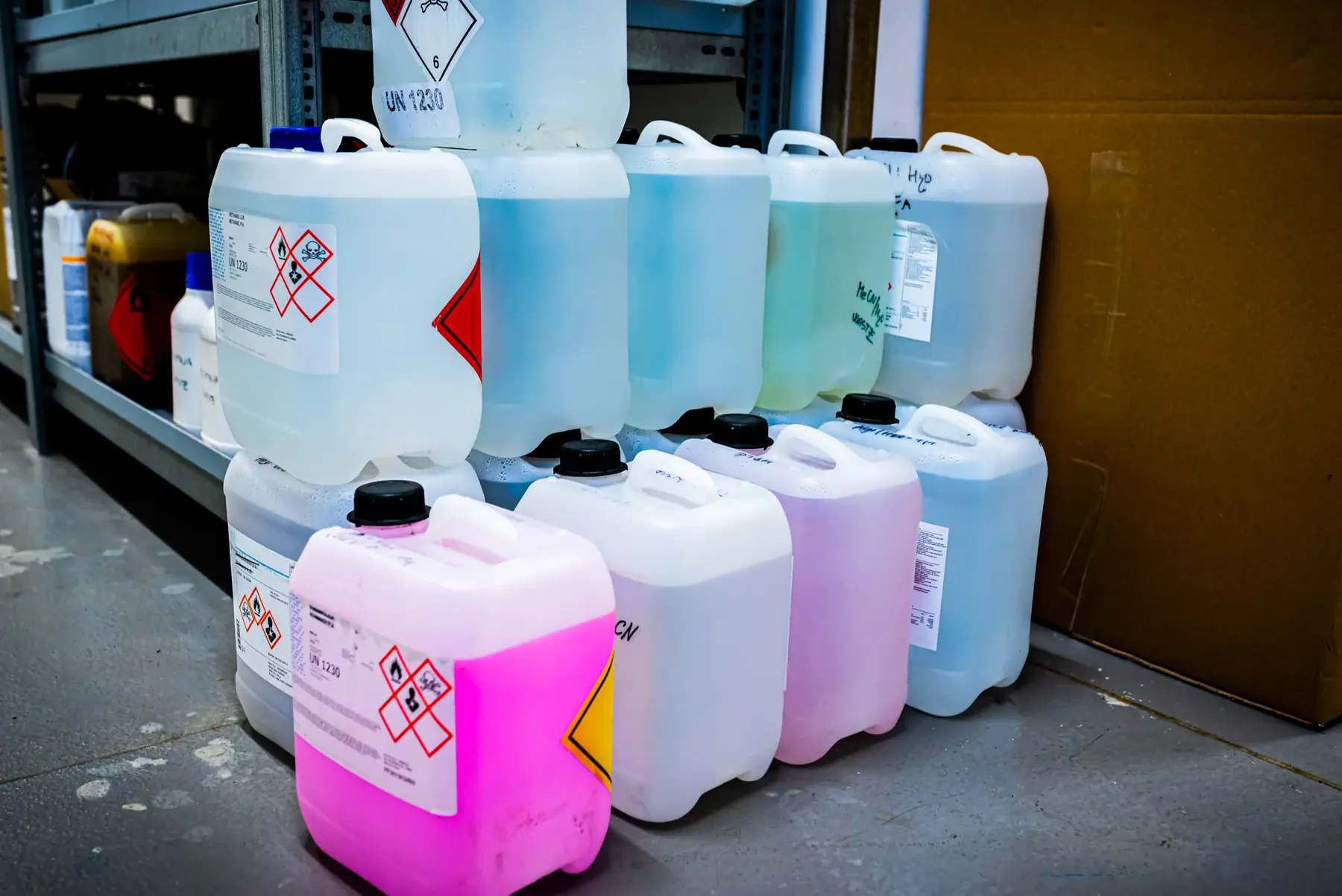
- HDPE drums and containers from raw materials, oils or chemicals. Residue and previous contents affect how they can be handled.
- PP from mouldings, crates, caps and some flexible packaging. Often mixed with fillers or additives.
- PET straps and similar strapping. Strong, springy and awkward in loose skips.
- Production scrap and purge from moulding, extrusion and blow moulding. Purgings and start-up lumps may be discoloured or mixed grade.
Each stream behaves differently in storage and collection. Film is light and bulky, rigid containers take up space, and purge can be dense and irregular. Those differences affect container choice, load weight and collection planning.
Segregation and Baling
Segregation is not only about putting plastics in separate bins. It is about keeping clean material clean and keeping contaminated material out of clean loads. A few practical points:
- Keep film dry where possible. Wet film weighs more and may be rejected or downgraded.
- Remove obvious metal, wood and cardboard before baling. Strapping and banding are common contaminants.
- Label or colour-code containers by polymer where the site produces more than one type.
- Bale film and light material to reduce volume and transport cost. Bale density and wire type need to suit the baler and the receiving site.
- Store rigid plastics separately from film so that containers are not filled with a mix that cannot be sorted economically.
Baling can reduce the volume of film and other light plastics, but it is not suitable for every stream and does not guarantee a higher material value. Mixed or heavily contaminated plastics may need different handling. If you are considering equipment, our guide to cardboard balers explains the main points to consider for similar bulky materials.
Contaminated Plastics and Classification
Plastic that has held oil, solvent, pesticide or other chemicals is not automatically hazardous, and it is not automatically non-hazardous. Classification depends on the substance, the concentration and the form. A drum that held a hazardous chemical may still be classified as hazardous waste after emptying, or it may not, depending on the assessment.
You cannot decide from the plastic name alone. Waste classification follows technical guidance and, where needed, testing or supplier information. The Environment Agency publishes waste classification technical guidance that sets out how to assess and classify waste. Hazardous waste also carries extra duties for producers, carriers and consignees, summarised in the hazardous waste guidance.
Where a plastic stream is contaminated, the container, label and previous contents matter. We can help with separating suspect containers from clean plastic and with arranging assessment where the classification is unclear.
Plastic Packaging Tax and Packaging EPR
Plastic Packaging Tax and packaging extended producer responsibility, usually called packaging EPR, are separate schemes. Plastic Packaging Tax can apply to finished plastic packaging components manufactured in or imported into the UK with less than 30% recycled plastic, subject to the scheme’s thresholds and exemptions. Packaging EPR has its own reporting and fee rules for organisations in scope.
These are tax and producer responsibility schemes, not waste classification rules. They can still change how a site records plastic tonnages and what evidence it keeps. We can help with plastic waste management that supports your internal reporting, but we do not provide tax or legal advice. Check the current rules with HMRC or your own adviser.
Reporting Tonnages
Waste documentation supports traceability. It does not by itself prove legal compliance. A waste transfer note, a hazardous waste consignment note or a reprocessor’s summary can all help you show what left site and where it went, but the accuracy depends on the information recorded at the point of collection.
For plastic streams, useful records include polymer type, form, approximate weight, contamination notes and the destination. If your site reports under packaging EPR or tracks recycled content, consistent tonnage records make that work easier. Our page on waste transfer notes explains the basic documentation for non-hazardous waste movements.
Choosing a Practical Approach
The best arrangement for one site may not suit another. Volume, space, labour and the mix of polymers all shape what works. A few questions help narrow the options:
- Which plastic streams are clean enough to sell or recycle as a single polymer?
- Which streams are mixed, wet or contaminated and need different handling?
- How much space is available for containers, balers or storage bays?
- Who on site will segregate material, and what training or signage is needed?
- What tonnage records does the business need for tax, EPR or internal reporting?
We can help with plastic waste collection, segregation planning and the documentation that goes with it. For sites with several waste streams, our industrial waste management overview explains how plastic fits alongside other materials. If your plastic waste is part of a wider recycling programme, see industrial recycling.
Safety and Site Limits
Balers, compactors and shredders need suitable controls, training and maintenance for the equipment and task. Where work could involve a confined space, the HSE confined spaces guidance explains the legal duties and when entry should be avoided. Hazardous or contaminated plastics also need controls appropriate to their classification and handling route.
Waste rules differ across England, Wales, Scotland and Northern Ireland, so sites operating across borders should check the relevant regulator’s requirements.
Free online tool
Waste Duty of Care Checker
Review common waste paperwork and collection questions relevant to your site.
Common questions
Frequently asked questions
Can all industrial plastics be recycled?
No. Recyclability depends on polymer type, form, contamination and what local reprocessors accept. Clean single-polymer streams are usually easier to recycle than mixed, wet or heavily contaminated plastics. Some streams may be better suited to energy recovery or another route.
Is plastic waste from chemical containers always hazardous?
Not always. Classification depends on the substance held, the concentration and the form. A container that held a hazardous chemical may be classified as hazardous waste, but that is not automatic. Assessment follows technical guidance and may need testing or supplier information.
Does baling plastic waste always increase its value?
Baling can reduce volume and transport cost for film and light material, but it is not suitable for every stream. Mixed or contaminated plastics may not benefit, and bale density and wire type need to suit the baler and receiving site.
How does Plastic Packaging Tax affect plastic waste records?
Plastic Packaging Tax is a tax scheme with its own rules, separate from waste classification. It can affect how a business records plastic packaging components and recycled content. We do not provide tax advice. Check current rules with HMRC or your own adviser.
Do waste transfer notes prove legal compliance?
Waste documentation supports traceability. It does not by itself prove legal compliance. Accuracy depends on the information recorded at collection, and duty of care duties still apply separately.
Request a quote
Complete the form and we will get back to you.