
Waste services for industry
Industrial Waste Collection
Industrial waste collection has to match what the site actually produces, not a nominal tonnage. Container type, capacity and lift frequency all follow from material, density, access and how fast waste accumulates between visits.
What industrial waste collection involves
Industrial waste collection covers the routine removal of waste from manufacturing, processing, warehousing and similar sites. The practical questions are usually the same: what materials leave the site, in what quantity, how quickly they build up, and what can physically reach the storage point. A collection arrangement that ignores any of these tends to produce overflowing bays, part-empty lifts or vehicles that cannot access the yard.
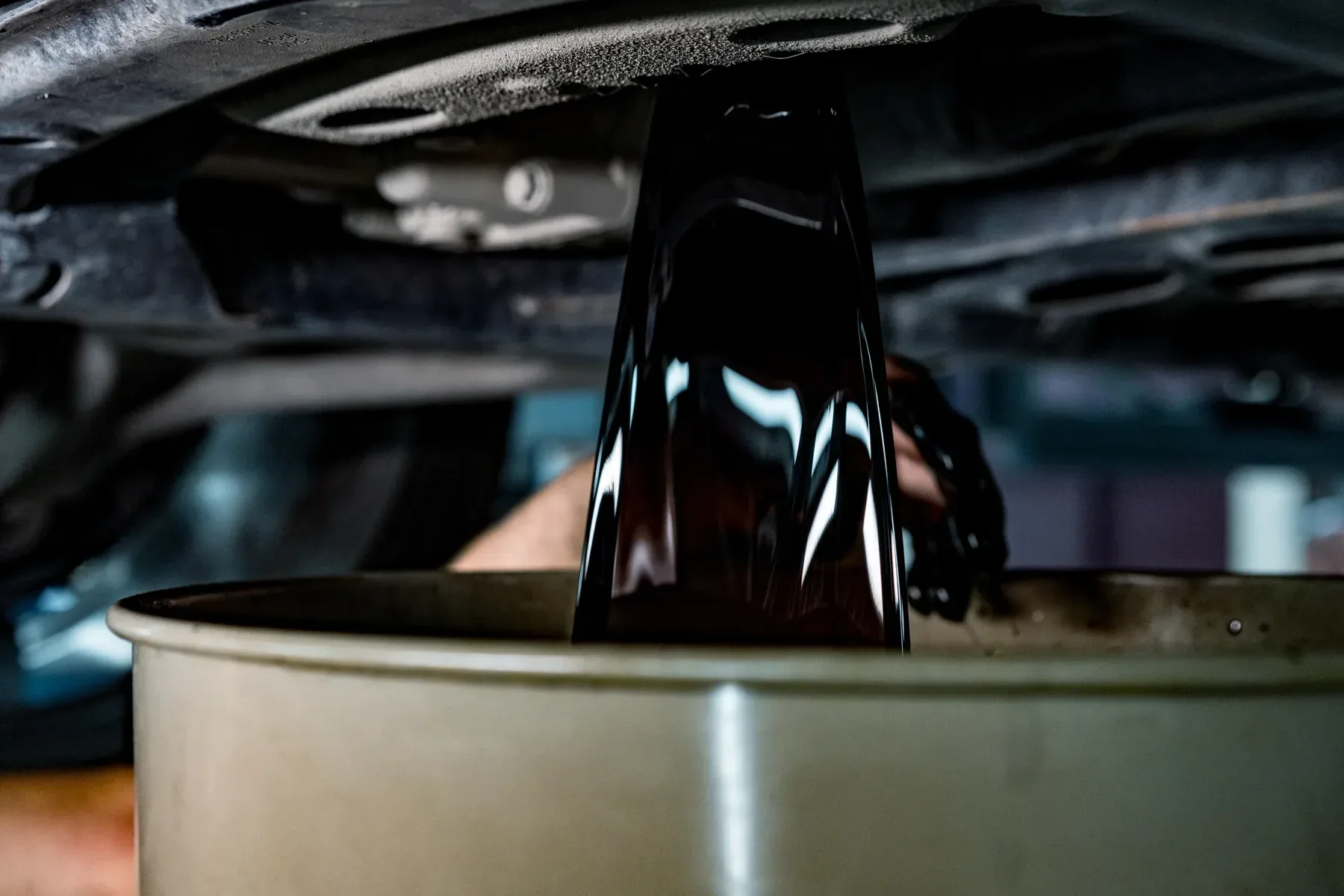
Waste from industrial sites is often mixed in character. Packaging film, cardboard, pallets, offcuts, used oil, spent solvents, filter media and general floor sweepings may all arise in the same week. Some of these are straightforward to bulk together. Others need separation before collection, either because of their properties or because a recycling route depends on a clean stream. We can help with industrial waste collection planning that starts from an inventory of what the site produces rather than a single bin size.
Container types and what suits them
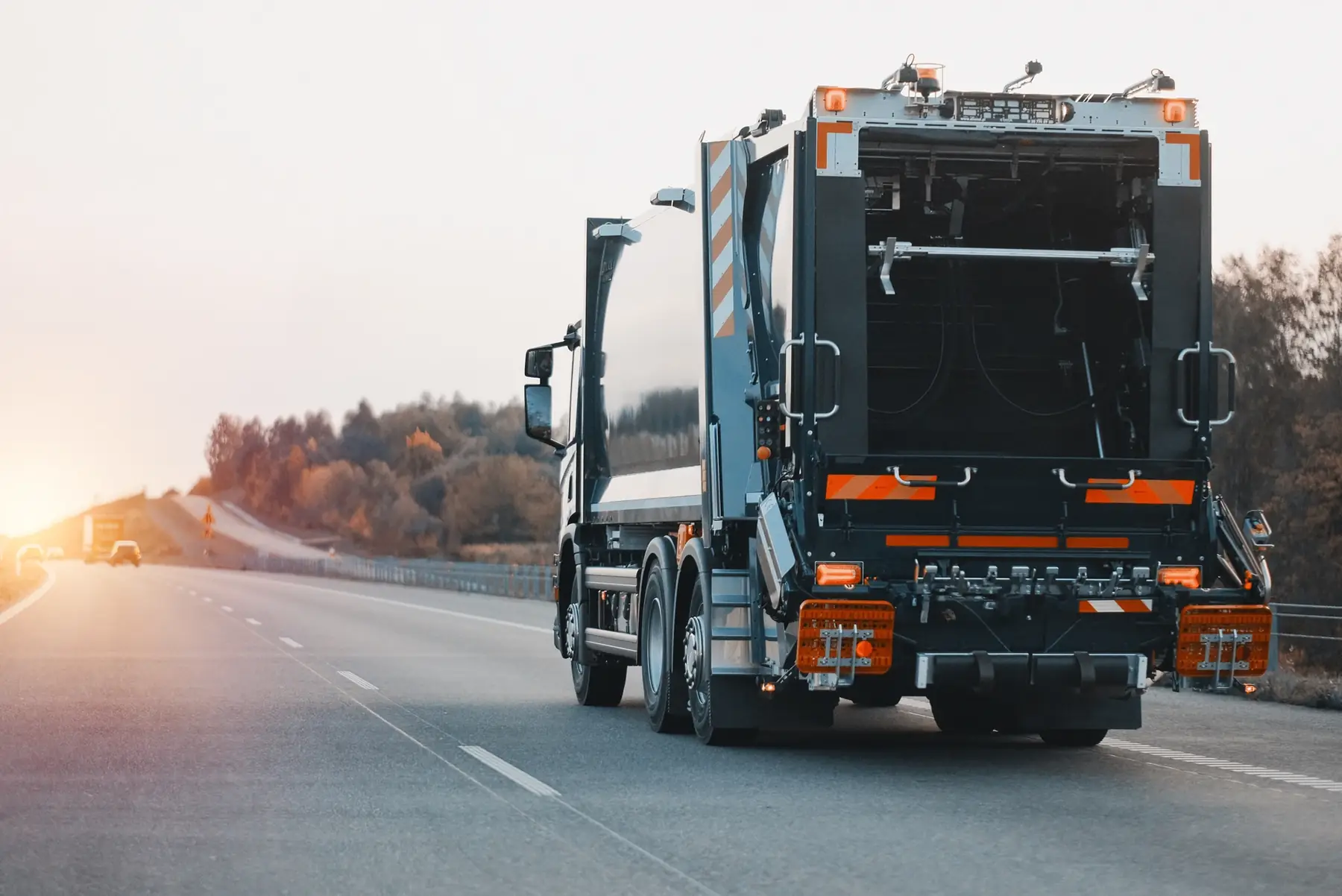
Container choice follows material, volume, weight, access and handling. Common options include:
- Wheeled bins for lower-volume dry waste and packaging.
- Front-end loader containers for regular dry waste where the site and collection vehicle can accommodate them.
- Skips for suitable bulky or heavier materials loaded from above.
- Roll on roll off containers for higher-volume streams where there is enough access and loading space.
- Static and portable compactors where reducing the volume of suitable waste can reduce storage requirements.
- Intermediate bulk containers and drums for compatible liquids, sludges and pastes where packaged collection is appropriate.
- Tankered collection for pumpable liquids and sludges where that route is suitable for the waste and site.
Available sizes and lifting arrangements vary by supplier, so the container and vehicle need to be confirmed for the site rather than assumed from a generic capacity.
Density matters as much as volume. Light packaging and dense metal offcuts can fill the same nominal container very differently by weight. Vehicle and container limits still apply, so dense materials may need a smaller container or a different collection arrangement.
Sizing and lift frequency
Sizing is a balance between storage space, production rate and how often a vehicle can reasonably attend. Two failure modes are common. The first is a container that fills before the next scheduled lift, so waste is stacked beside it and the bay becomes a hazard. The second is a lift that arrives when the container is barely a quarter full, which wastes vehicle movements and adds cost without removing more material.
A workable approach is to measure output over a representative period, note seasonal peaks such as stock builds or shutdowns, and then set capacity and frequency with some headroom. Where production varies, compactors or additional containers may help absorb peaks without changing the normal collection pattern. Access also constrains the answer: turning circles, overhead cables, gate widths and surface loading all affect which vehicle can serve the site, and a container that cannot be reached is not a collection point.
Segregated collections and national rules
Separation requirements differ across the UK, and the rules have been changing. In England, Simpler Recycling sets out which dry recyclable and food waste streams businesses must separate for collection. Wales has its own workplace recycling requirements, and Scotland operates under separate waste regulations. Northern Ireland also has its own framework. A site operating across borders cannot assume one set of rules applies everywhere.
Segregation is not only a regulatory matter. Clean separated streams tend to find better recycling routes than mixed material, and contamination is the usual reason a recyclable load is rejected. Where a site handles potentially hazardous materials, classification comes first. Waste classification under the Environment Agency’s technical guidance (WM3) assesses the material and its components; a name alone does not settle whether waste is hazardous. See the hazardous waste management page for how that assessment shapes collection. For dry recyclables, dry mixed recycling explains what belongs in a mixed stream and what does not.

Documentation and traceability
For non-hazardous commercial waste, a waste transfer note or another document containing the required information is normally used for each transfer, with season tickets available for qualifying repeated transfers. Hazardous waste movements use a consignment note. These records describe the waste, its classification code and the parties involved, and they support traceability through the transfer. They are evidence of what happened, not proof that everything was handled correctly, so the underlying arrangements still matter. Duty of care applies to anyone who produces, carries, keeps, treats or disposes of controlled waste, and the waste duty of care code of practice sets out what that means in England and Wales. Our waste transfer note page covers the record itself.
Monthly tonnage reporting is useful for more than paperwork. It shows whether a recycling target is being met, whether a particular stream is growing, and whether the current container and frequency still fit. Sites working towards zero waste to landfill usually need that data to see where material is actually going.
Where collection problems usually start
Most recurring issues trace back to a mismatch that was never revisited. Production changes, a new line is added, packaging switches from one material to another, and the collection pattern stays as it was. Common symptoms include:
- Containers left part full because the frequency was set for a heavier period.
- Bays overflowing because segregation added streams but not capacity.
- Missed lifts where access is blocked by deliveries or parked vehicles.
- Rejected recycling loads caused by contamination entering a clean stream.
Missed-lift handling is worth agreeing in advance: who reports it, how quickly it is picked up and whether the container is emptied on the next scheduled visit or sooner. A named contact and a clear process avoid a container sitting full for a week.
Planning a collection arrangement
Where access, loading or storage is not straightforward, a site survey can be used to check container types, segregation and collection frequency against the actual yard. It is also a useful point to identify any stream that needs classification or specialist handling before collection. We can help with industrial waste collection for factories, warehouses and processing sites, including container selection, collection scheduling and identifying the documentation required for each movement. If a material is potentially hazardous or the site handles liquids and sludges, that is best identified before containers are ordered, because it changes what can be collected and how.
Free online tool
Waste Duty of Care Checker
Review common waste paperwork and collection questions relevant to your site.
Common questions
Frequently asked questions
How do I choose between a skip and a roll on roll off container?
It usually comes down to volume, weight, loading method and access. Skips can suit suitable bulky or heavier material loaded from above, while roll on roll off containers are used for larger-volume streams where the site has enough access and loading space. Available sizes vary by supplier, and vehicle access, surface loading and weight limits all affect what is workable.
Do I need separate containers for recycling?
Separation requirements differ between England, Wales, Scotland and Northern Ireland, and they have been changing. In England, Simpler Recycling sets out which dry recyclable and food waste streams businesses must separate. Even where separation is not mandatory for a particular stream, keeping recyclables clean usually improves the route they can take.
How often should industrial waste be collected?
Frequency should follow the rate at which the container actually fills, with some headroom for peaks. Measuring output over a representative period gives a better answer than assuming a fixed schedule. If production varies, compactors or extra containers can absorb peaks without changing the collection pattern.
What paperwork comes with an industrial waste collection?
Non-hazardous movements need a waste transfer note, and hazardous waste needs a consignment note. These records describe the waste, its classification code and the parties involved, and they support traceability. They do not by themselves prove legal compliance, so the arrangements behind them still need to be sound.
Request a quote
Complete the form and we will get back to you.