
Waste services for industry
Commercial Skip Hire
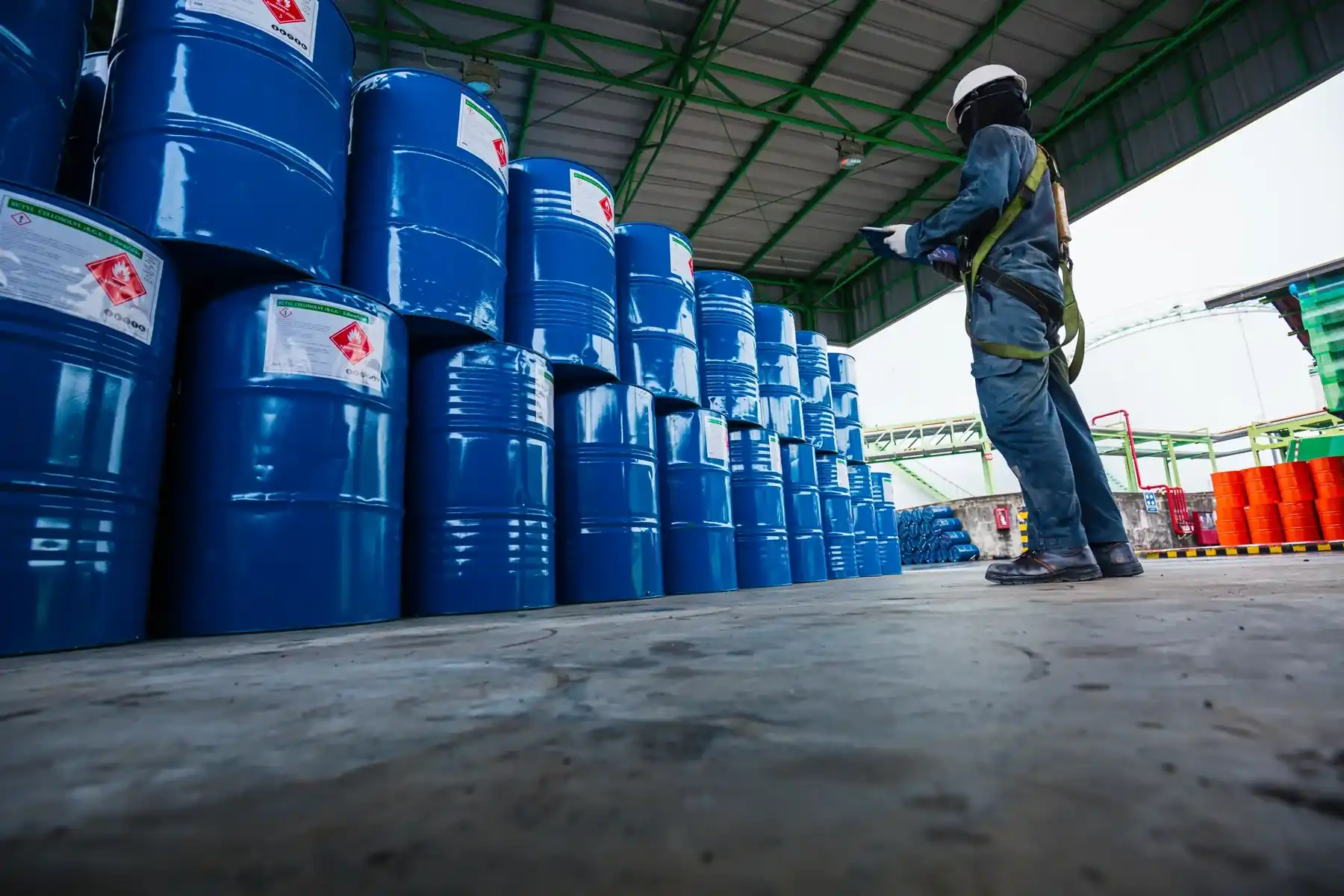
A commercial skip is a simple container until the wrong load goes in it. Mixed plasterboard, gas cylinders or oily rags can turn a routine collection into a rejected load and a paperwork problem. We can help with skips sized and specified around what your site actually produces.
Skip Sizes and Container Types for Commercial Sites
Commercial skip hire covers a wide range of containers, and the size that suits a yard is not always the size that suits a factory floor. Standard open skips are usually described by cubic yard capacity, and the common commercial sizes run from around 6 to 16 cubic yards. A 6 to 8 yard skip suits dense, heavy material where volume is not the issue. A 12 to 16 yard skip suits bulky but light waste such as packaging, timber offcuts and general factory floor arisings.
Weight matters more than volume on many industrial sites. Skips are collected by lifting vehicle, and the vehicle has a legal plated weight. A skip filled with rubble, soil or metal offcuts can reach that limit long before it looks full. If your waste is dense, a smaller container exchanged more often is usually more practical than one large container filled to the top.
Where space is tight, enclosed and lockable skips keep material contained and reduce the chance of waste blowing out or being added to outside working hours. Enclosed containers also suit sites where the waste stream is dry and light, such as cardboard or plastic film, and where open skips would be affected by weather.

Segregated Skips and Waste Streams
Segregation at the point of production is usually cheaper and simpler than sorting later. Common segregated streams on commercial sites include:
- Wood, including pallets, crates and timber offcuts
- Metals, including ferrous and non-ferrous offcuts
- Inert material such as brick, concrete and soil
- General mixed commercial waste
- Cardboard and paper
- Plastic film and rigid plastics
Each stream has different handling and disposal routes, and mixing them reduces what can be recovered. A wood skip that also takes general waste is no longer a wood skip. If you need to separate several streams but have limited yard space, a small number of well-labelled containers with clear site rules often works better than a large number of small ones.
For larger volumes, roll on roll off containers and compactors may be more suitable than standard skips. You can read more about those options on our roll on roll off skip hire and waste compactor hire pages.
Items That Should Not Go in a Skip
Some materials cannot be placed in a standard commercial skip, either because of their hazard properties or because of how they must be handled and documented. Common examples include:
- Hazardous waste such as solvents, oils, paints, pesticides and some chemicals
- Waste electrical and electronic equipment, including fridges and monitors
- Gas cylinders and pressurised containers
- Asbestos and asbestos-containing materials
- Plasterboard, particularly when mixed with other waste
- Batteries, including lithium and lead acid types
- Tyres
- Clinical and healthcare waste
Plasterboard is a frequent problem. It contains gypsum, which can produce hydrogen sulphide when it breaks down with biodegradable waste in landfill. Many sites therefore need plasterboard kept separate, and some disposal routes require it to be bagged or placed in a dedicated container. The correct approach depends on the quantity and the receiving facility.
Hazardous waste cannot simply be added to a general skip. It needs classification, correct packaging, labelling and consignment documentation, and it must go to a suitably permitted facility. You can find more detail on our hazardous waste management page. WEEE has its own collection and recycling requirements, covered on our WEEE recycling page.
Whether a particular material is hazardous cannot be decided from its name alone. Classification depends on the substances present, their concentration and the form of the waste. Technical guidance on classification is published by the Environment Agency in Waste classification technical guidance.
One-Off Hire and Regular Exchanges
Some sites need a skip once for a clear-out or a small project. Others need containers exchanged on a regular cycle as part of normal production. Regular scheduled exchanges can suit sites that generate a steady volume and want collections planned in advance rather than arranged each time.
The practical difference is in planning. One-off hire is usually arranged around a specific date and access window. Regular exchanges need a container that can be collected and replaced without blocking a yard, and they need the waste streams to be consistent enough that the same specification works each time.
Transfer notes and season tickets are part of this. Under the duty of care, waste transfers must be documented, and the receiving site must be authorised to take that waste. A waste transfer note records the waste description and other required transfer information, including the appropriate waste code. Season tickets allow a series of transfers to be covered by one document where the waste is the same and the arrangements are consistent. The duty of care requirements are set out in the Waste duty of care code of practice.
Waste documentation supports traceability. It does not by itself prove that a load was correctly classified or that the receiving site handled it lawfully.
Access, Placement and Site Practicalities
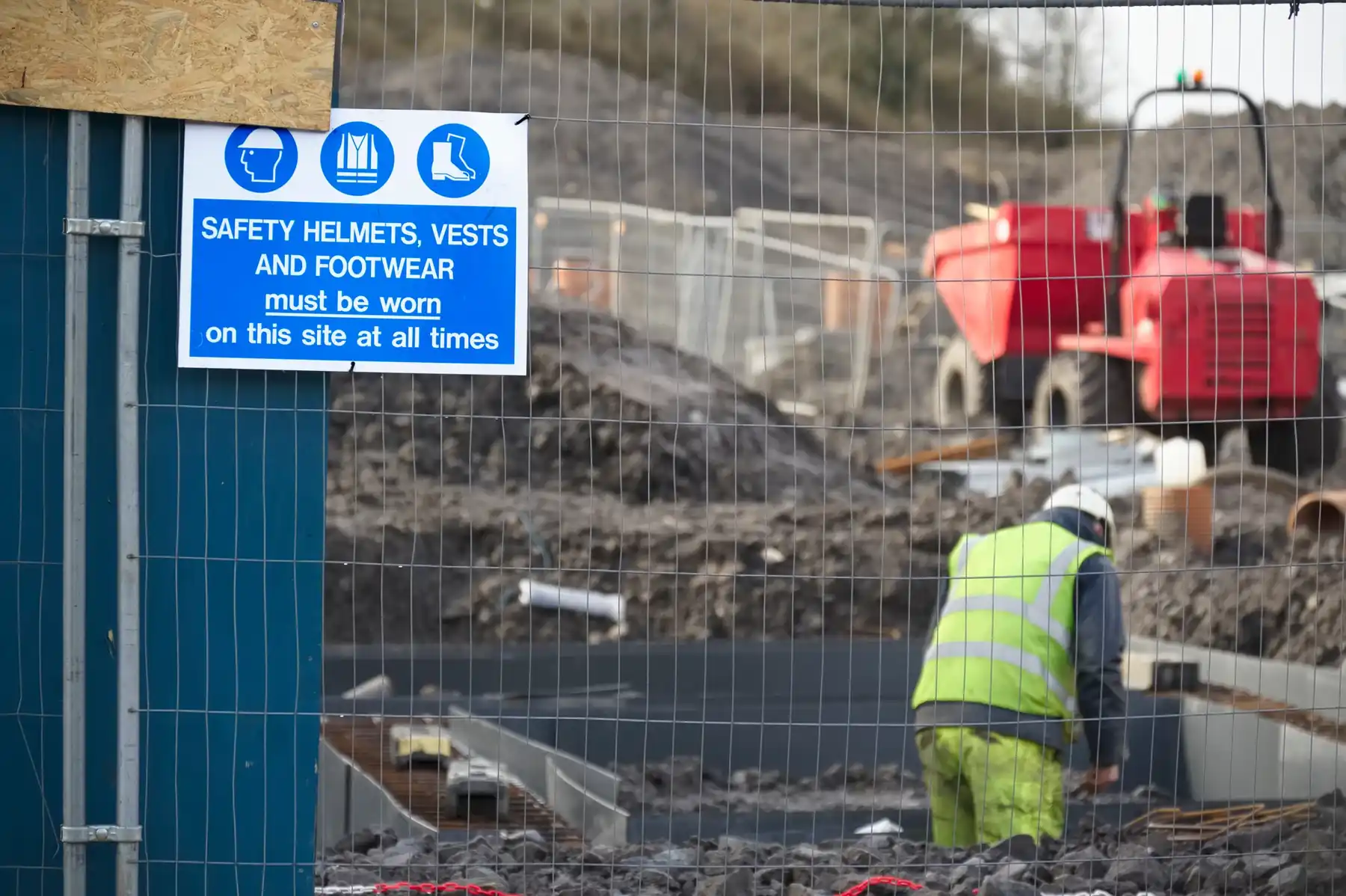
Skip placement affects how easily a container can be collected. Vehicles need a clear approach and enough space to lift and turn. Overhead cables, low bridges, parked vehicles and uneven ground can all cause a collection to be refused or rearranged. On busy sites, a designated skip bay with marked limits reduces the chance of containers being moved or blocked.
Ground conditions matter for loaded skips. A full 16 cubic yard skip of dense material can be very heavy, and soft ground or a slope can make lifting unsafe. If the only available position is on a slope or near a drain, that should be discussed before delivery.
Where a skip will hold material that could cause dust, odour or litter, an enclosed container or a cover may be more appropriate. This is common with dry, light wastes and with sites close to public areas.
Choosing the Right Specification
The useful questions are usually about the material, not the container. What is being thrown away, how heavy is it, how quickly does it accumulate, and does anything in it need separate handling? Once those are clear, the skip size, type and exchange frequency follow.
If a waste stream is likely to include hazardous items or WEEE, it is better to identify that before the container is ordered. Removing those items afterwards is difficult and can mean the whole load is treated as mixed waste. For sites with several streams, a short review of what is produced and where can reduce the number of containers needed and improve what is recovered.
We can help with commercial skip hire for factories, yards, warehouses and construction sites, including segregated containers, enclosed and lockable options, and regular scheduled exchanges.
Free online tool
Waste Duty of Care Checker
Review common waste paperwork and collection questions relevant to your site.
Common questions
Frequently asked questions
Can I put plasterboard in a general commercial skip?
Plasterboard is usually kept separate from general waste because of the risk of hydrogen sulphide forming when gypsum breaks down with biodegradable material. Many receiving facilities require it in a dedicated container or bagged. The right approach depends on the quantity and the facility taking it, so it should be confirmed before the skip is ordered.
What happens if hazardous waste is found in a skip?
The load may be rejected or treated as mixed waste, and the hazardous items need to be removed and managed separately. Hazardous waste requires classification, correct packaging and consignment documentation, and must go to a suitably permitted facility. It cannot be added to a general skip.
Do I need a waste transfer note for skip collections?
Yes. Under the duty of care, waste transfers must be documented. A waste transfer note records the waste description and other required transfer information, including the appropriate waste code. Season tickets can cover a series of consistent non-hazardous waste transfers under one document.
How do I decide between a standard skip and a roll on roll off container?
Standard skips suit smaller volumes and tighter access. Roll on roll off containers suit larger volumes, bulkier waste and sites where a vehicle can deliver and collect a larger container. Compactors suit sites with high volumes of similar waste that benefits from being reduced in size.
Request a quote
Complete the form and we will get back to you.