
Waste services for industry
Factory Clearance
A factory clearance rarely means emptying one building. Production halls, stores, offices and yards each hold different material, and some equipment may carry residues that need assessing or removing before it is moved. We can help with planned industrial clearance and plant decommissioning projects.
What a factory clearance involves
A factory clearance covers the removal of machinery, racking, stock, furniture, scrap and general waste from a site that is closing, relocating or being refitted. The work is not a single collection. It is a sequence of decisions about what can be sold, what can be recycled, what needs treatment before disposal, and what order the building can be emptied in without creating a hazard.
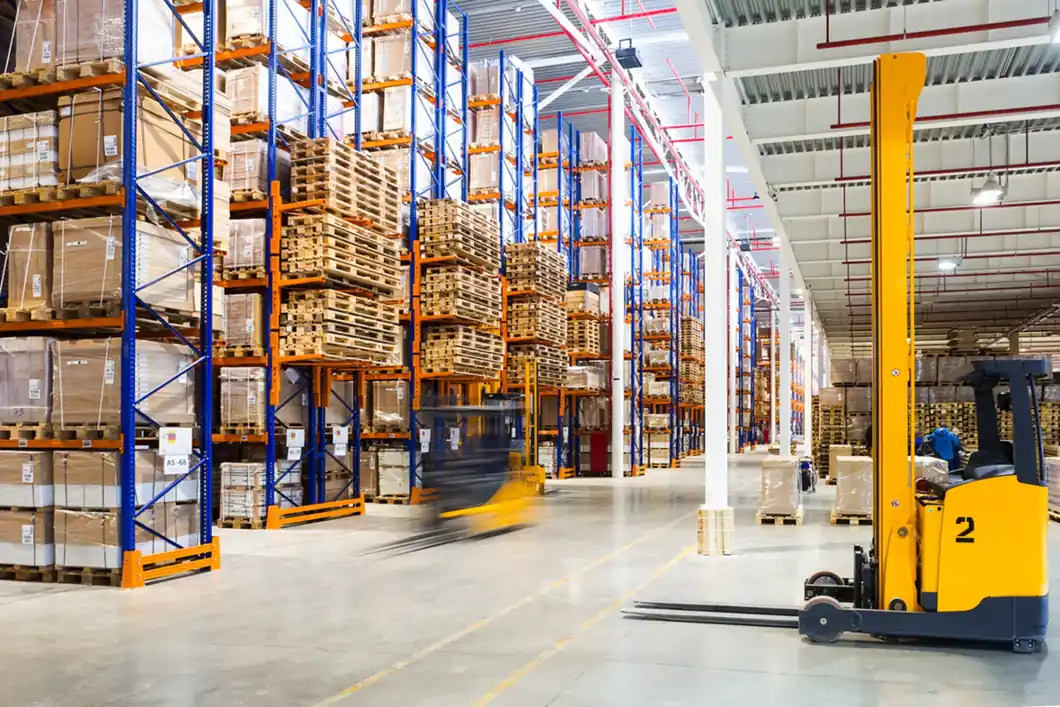
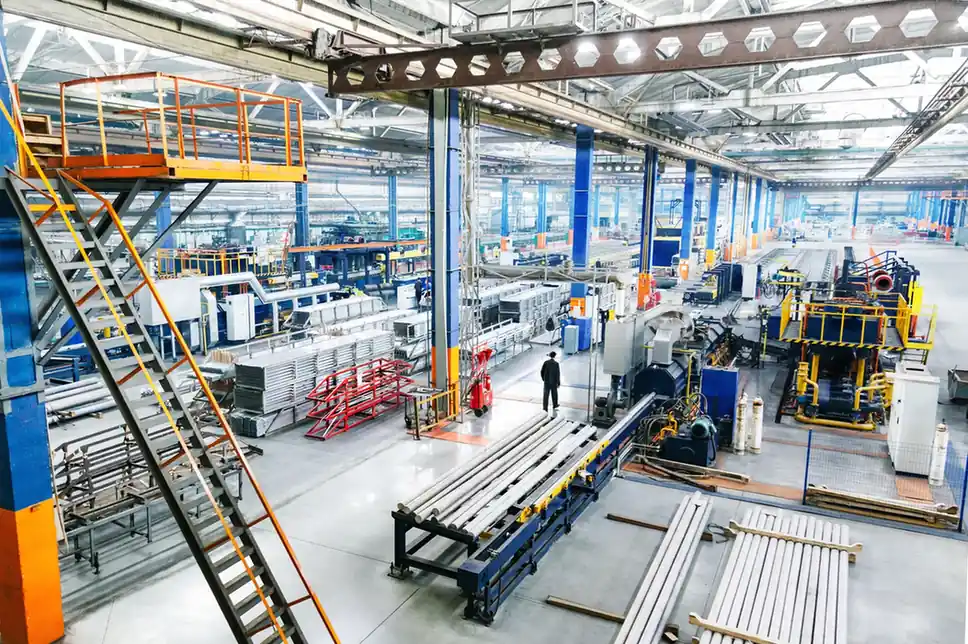
Production areas usually hold the most complicated material. Machine tools, presses, conveyors, extraction ducting and process tanks may still contain oil, coolant, swarf, sludge or chemical residue. Stores and yards add drums, intermediate bulk containers, gas cylinders, batteries and scrap metal. Offices are simpler, but they still produce IT equipment, cabling and furniture that fall under separate recycling routes.
We can help with factory clearance projects where the building needs to be emptied in stages and the waste streams need to be separated before anything leaves site.
Plant decommissioning and the order of work
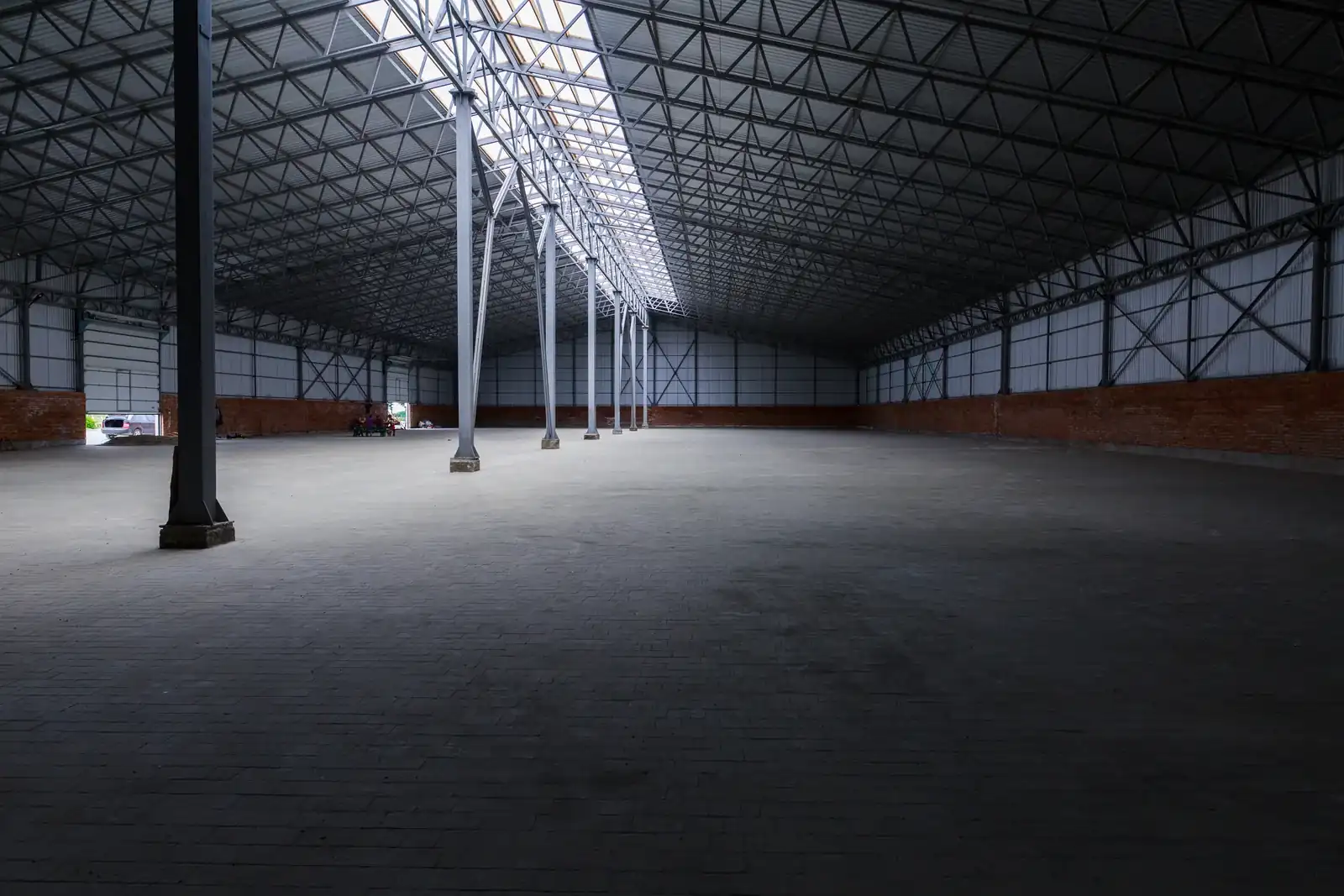
Plant decommissioning is the part that decides how smooth the rest of the clearance will be. Isolating power, draining lubricants and coolants, purging lines and removing residues should happen before machinery is dismantled or cut up. Doing it the other way round risks spills, contamination of otherwise recyclable metal, and damage to floors and drainage.
Confined spaces need particular care. Tanks, silos, pits and ductwork can hold atmospheres that are not safe to enter, and the Confined Spaces Regulations 1997 require the risk to be assessed and entry avoided where possible. Where entry is unavoidable, the work is competent specialist work with a safe system and emergency arrangements in place. This is not something to attempt with general labour and a pressure washer.
Sequencing matters as much as method. A common approach is:
- Survey the site and record what is present, including residues and unknown containers.
- Remove hazardous and liquid wastes first so they do not contaminate other streams.
- Isolate and drain plant, then dismantle in a controlled order.
- Recover metals, equipment and reusable items for resale or recycling.
- Clear general and bulky waste from the remaining areas.
- Confirm the building is empty and hand over records.
Hazardous residues and waste classification
Residues are the main reason a factory clearance needs a proper survey rather than an estimate over the phone. Oils, solvents, acids, caustics, paints, adhesives and process sludges all behave differently, and some are hazardous. A substance name alone does not settle the classification. Under the Environment Agency’s waste classification technical guidance (WM3), classification depends on the composition and properties of the actual waste, which is why sampling and assessment may be needed.
Where waste is hazardous, the hazardous waste rules add requirements on top of the general duty of care, including consignment notes and movement through authorised routes. Dewatering a sludge or separating a liquid does not make the remaining solid non-hazardous by itself. That still has to be assessed.
We can help with hazardous waste management where residues need to be identified, contained and removed before the rest of the clearance can proceed.
Asbestos and building fabric
Older industrial buildings may contain asbestos in roof sheets, pipe lagging, boiler insulation, floor tiles and cement products. Where refitting, demolition or other work will disturb the building fabric, the asbestos information and survey type must be appropriate to the work. A refurbishment or demolition survey is used to locate asbestos-containing materials before relevant structural work begins.
Higher-risk asbestos work requires a licensed contractor. Some non-licensed work is notifiable, while other lower-risk work can be non-licensed. The correct category depends on the material, its condition and the work being carried out, so this needs to be established before the clearance sequence is fixed.
Resale, recycling and factory waste removal
Not everything in a closing factory is waste. Machine tools, forklifts, racking, transformers, cabling and office equipment can have resale value, and separating these items early protects that value. Metals can be a significant recyclable fraction in industrial clearances, and separating ferrous and non-ferrous scrap can improve what is recovered.
Electrical items fall under separate rules. WEEE recycling covers computers, monitors, control panels and similar equipment, and the route differs from general scrap. Cardboard, plastic and timber from packaging and stores can often be baled or collected separately rather than going into a mixed skip.
We can help with factory waste removal where the aim is to recover as much as possible and send only the genuine residual to disposal. Related services include scrap metal recycling, WEEE recycling and industrial recycling.
Records and clean handover
A clearance usually needs to be evidenced. Waste transfer notes and, for hazardous waste, consignment notes record what left site, when and where it went. These documents support traceability. They do not by themselves prove that everything was handled correctly, so the paperwork should match what was actually removed.
Recycling rates depend on what was in the building and how well streams were separated. A site full of mixed general waste will recover less than one where metals, WEEE, packaging and residues were split out first. If a client needs a waste management plan or a zero waste to landfill position, the figures have to come from the actual movements, not from an assumption made at survey stage.
We can help with the documentation side through waste transfer notes and waste management plans where these are needed for handover.
Practical points before work starts
Access is often the constraint that shapes a clearance. Door widths, floor loading, yard space, overhead cables and site traffic all affect what plant and vehicles can be used. A machine that cannot be moved whole may need to be dismantled on site, which changes the labour and the waste produced.
Timescales also matter. If the building is being sold or handed back, the clearance has to fit the completion date, and hazardous residues or asbestos can extend the programme. Getting the survey, method statement and waste inventory agreed early reduces the chance of delays later.
Cost depends on the volume and type of material, how much is hazardous, access, and how much can be recovered rather than disposed of. A firm price needs a real quote based on a site assessment, not a figure given over the phone.
We can help with factory clearance across production areas, stores, offices and yards, including plant decommissioning and the separation of hazardous residues before general waste is removed.
Free online tool
Waste Duty of Care Checker
Review common waste paperwork and collection questions relevant to your site.
Common questions
Frequently asked questions
Does a factory clearance need a survey first?
In most cases yes. A survey records the machinery, residues, containers and building fabric so the work can be sequenced and the waste streams identified. It also helps establish whether hazardous waste or asbestos is present, which affects the method and the programme.
Can machinery be sold rather than scrapped?
Sometimes. Machine tools, forklifts, racking and similar items may have resale value if they are removed intact and in reasonable condition. Separating these items early, before general clearance begins, gives the best chance of recovering value.
How are residues in tanks and pipework handled?
Residues are drained, contained and assessed before plant is dismantled. Classification depends on the composition and properties of the actual waste, so sampling may be needed. Dewatering or separating a liquid does not by itself make the remaining material non-hazardous.
What records are produced at the end of a clearance?
Waste transfer notes and, for hazardous waste, consignment notes record what left site and where it went. These support traceability. Recycling figures should reflect the actual movements rather than an estimate made before work started.
Request a quote
Complete the form and we will get back to you.