
Waste services for industry
Industrial Recycling
Industrial recycling works best when materials are separated at the point they are produced, kept clean and matched to a route that can actually accept them. We can help with recyclable streams from factories, warehouses and construction sites, including the paperwork that supports your records.
What industrial recycling covers
Industrial recycling is the recovery of materials produced by manufacturing, warehousing, construction and similar operations. The materials are often familiar, but the volumes and contamination levels are not. A factory may produce several tonnes of cardboard a week alongside plastic film, timber and metal offcuts. Each stream behaves differently in collection, storage and reprocessing.
We can help with industrial recycling services for the main dry streams, including scrap metal, plastics, cardboard, pallets and wood, and dry mixed recycling. The useful starting point is a short review of what leaves your site, in what quantity and in what condition. That review usually reveals where a material is being lost to residual waste because it is mixed with something else.
Recycling rates are not decided by the bin alone. They depend on segregation at source, how material is stored before collection, and whether the receiving reprocessor can use it. A clean, dry, single-material load is easier to place than a mixed one. Contamination thresholds vary by material and by the facility accepting it, so the practical answer is to keep streams apart and keep them clean.
Scrap metal
Ferrous and non-ferrous metals are among the most established recycling routes. Value depends on grade, cleanliness and whether items are prepared or mixed. A load of mixed metal containing oil, plastic or rubber attachments is worth less than separated, drained material. We can help with scrap metal recycling where metal is a regular or occasional output.
Plastics
Plastic recycling is not one material. Rigid containers, film, crates and mixed packaging behave differently. Film is light and bulky, so storage and baling matter. Rigid plastics need to be free of contents and loose parts. Some plastics are difficult to recycle in practice, and a realistic plan separates the recoverable grades from the rest. See plastic waste management for more detail.
Cardboard and paper
Cardboard is straightforward when it is dry and flattened. Wet or contaminated cardboard can be harder to recycle. Baling can reduce storage space and may reduce collection frequency where volumes and collection arrangements justify it. We can help with cardboard waste collection and with the choice between loose collection and baling.
Pallets and wood
Wooden pallets are reused, repaired or recycled depending on condition and treatment. Painted, treated or contaminated timber may need a different route from clean pallets. Segregating pallets from general wood waste keeps the reusable ones available for repair. See pallet collection for the options.
Dry mixed recycling
Dry mixed recycling combines compatible dry materials in one container. It suits sites with modest volumes of several materials, but it depends on the receiving facility’s accepted list. Mixing the wrong items can turn a recyclable load into residual waste. We can help with dry mixed recycling where the mix is compatible with the collection.
Clean containers
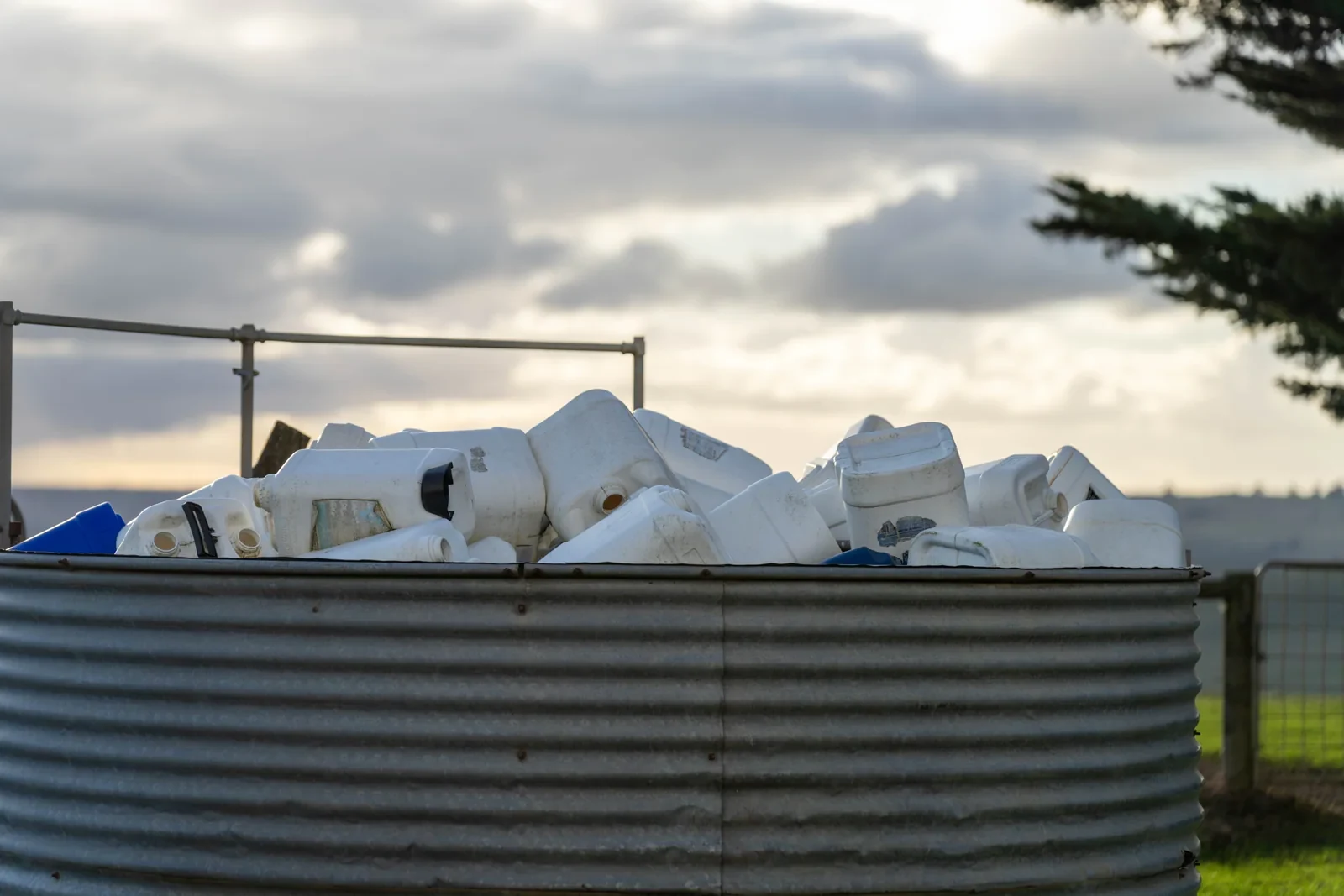
Empty industrial containers such as IBCs and drums can often be reconditioned or recycled when they are clean and free of residue. A container that held a chemical or oil is a different matter. Residues, vapours and any hazardous properties must be assessed before a route is chosen. Clean empty containers and contaminated containers are not the same job. For contaminated containers, see IBC recycling for contaminated containers.
Segregation, baling and contamination
Segregation at source is a major factor in recycling performance. Containers placed close to where material is produced, with clear labelling, can make separation easier for staff. Training and site layout both matter, and the arrangement needs to work for the way the site operates.
Baling and compaction change the economics of light materials. Cardboard, plastic film and some packaging are bulky before processing and dense afterwards. A baler needs space, power and a safe operating area, and the bale size must match what the collection vehicle can take. We can help with cardboard balers where baling is the practical option.
Contamination thresholds are set by the reprocessor, not by a universal figure. Common problems include food residue, liquids, plastic film mixed with cardboard, and metal items in a plastic stream. A load that fails inspection may be rejected or downgraded. Keeping streams clean is more reliable than relying on sorting later.
Recycling reporting for ESG and audits
Many businesses need evidence of what happened to their waste. That may be for an environmental management system, a customer audit, a tender response or internal reporting. Waste documentation supports traceability. It does not, by itself, prove legal compliance, and it should be read alongside your own duty of care checks.
Useful reporting usually covers material type, tonnage, the recovery route and the period. The level of detail depends on what the receiving facility provides and what your auditor asks for. It is worth agreeing the reporting format before collections begin, because reconstructing data later is harder. We can help with recycling reporting where a consistent record is needed.
Recycling and the waste hierarchy
Recycling sits below prevention and preparing for reuse in the waste hierarchy. A site that repairs suitable pallets or returns reusable packaging to a supplier may be able to keep material in use before recycling is considered.
In England, workplace recycling rules changed on 31 March 2025. Businesses, charities and public sector organisations must separate dry recyclable materials, food waste and non-recyclable waste before collection. Micro-firms with fewer than 10 full-time equivalent employees have until 31 March 2027. The rules apply in England. Scotland, Wales and Northern Ireland have their own arrangements, so confirm the position for the nation where your site operates. See Simpler Recycling for the England requirements.
Choosing a route for each material
The practical questions are consistent across materials. What is the material, how much is produced, how is it stored, and what can the receiving facility accept? A material that is recyclable in principle may not be recyclable from your site if it is wet, mixed or produced in small irregular amounts.
It also helps to know where the material goes after collection. Reprocessors have their own input specifications, and a route that works for one grade may not work for another. If a material cannot be recycled economically, the honest answer is to look at reduction or a different recovery route rather than force it into a recycling container.
We can help with industrial recycling across the main dry streams and with the decisions around segregation, storage and reporting. For mixed or contaminated industrial waste, see industrial waste disposal. For a wider review of what your site produces, a waste audit can identify where materials are being lost.
Free online tool
Waste Duty of Care Checker
Review common waste paperwork and collection questions relevant to your site.
Common questions
Frequently asked questions
What materials can be recycled from an industrial site?
Common streams include scrap metal, rigid plastics and film, cardboard and paper, pallets and wood, and dry mixed recycling. Clean empty containers such as IBCs and drums may also be reconditioned or recycled. The practical answer depends on volume, condition and what the receiving facility accepts.
Does contamination affect recycling?
Yes. Reprocessors set their own input specifications and contamination thresholds. Food residue, liquids, mixed materials and wet cardboard can cause a load to be rejected or downgraded. Keeping streams separate and clean at the point of production is more reliable than sorting later.
Is baling worth it for cardboard and plastic?
Baling can reduce storage space for light, bulky materials. Whether it is worthwhile depends on volume, available space, power, collection frequency and the bale specification accepted by the collector or reprocessor.
What recycling reporting can be provided?
Reporting usually covers material type, tonnage, recovery route and period. The detail available depends on the receiving facility and what your auditor requires. Waste documentation supports traceability; it does not by itself prove legal compliance.
Do workplace recycling rules differ across the UK?
Yes. England introduced workplace recycling requirements on 31 March 2025, with a later date for micro-firms. Scotland, Wales and Northern Ireland have their own arrangements. Confirm the rules for the nation where your site operates before changing collections.
Request a quote
Complete the form and we will get back to you.