
Waste services for industry
WEEE Regulations
The WEEE Regulations 2013 place duties on businesses that produce, hold or handle electrical and electronic equipment waste. What applies to you depends on your role, the equipment and where in the UK you operate.
What the WEEE Regulations cover
The Waste Electrical and Electronic Equipment Regulations 2013 set out how electrical and electronic equipment is handled when it becomes waste. They apply across the UK, but the regulator and some specific duties differ between England, Wales, Scotland and Northern Ireland. If your organisation produces, stores, treats or arranges collection of WEEE, you have responsibilities under the regulations and under the separate waste duty of care.
WEEE is not one material. It ranges from small items such as sensors and hand tools through to large equipment, cooling appliances and display screens. Each category has different handling needs, and some items are hazardous because of what they contain. Batteries, capacitors, refrigerants and components with ozone depleting substances are common examples. You cannot assume an item is non-hazardous from its name alone. Classification follows the technical guidance and the specific substances present.
We can help with WEEE collection, segregation and recycling projects where your site needs a practical route for end-of-life equipment.
Producer obligations and take-back
Producers of electrical and electronic equipment have obligations that go beyond waste disposal, including registration, reporting and financing duties. Distributor take-back rules mainly concern WEEE from private households. For non-household WEEE, producer financing can apply to equipment placed on the market on or after 13 August 2005 and to older equipment replaced with equivalent new equipment, unless an alternative arrangement has been made between the producer and business end-user.
If you are replacing business equipment, check the producer or compliance scheme arrangements rather than assuming a household retailer take-back service applies. Whatever the financing arrangement, the waste holder still has duty of care responsibilities and should keep appropriate transfer records.
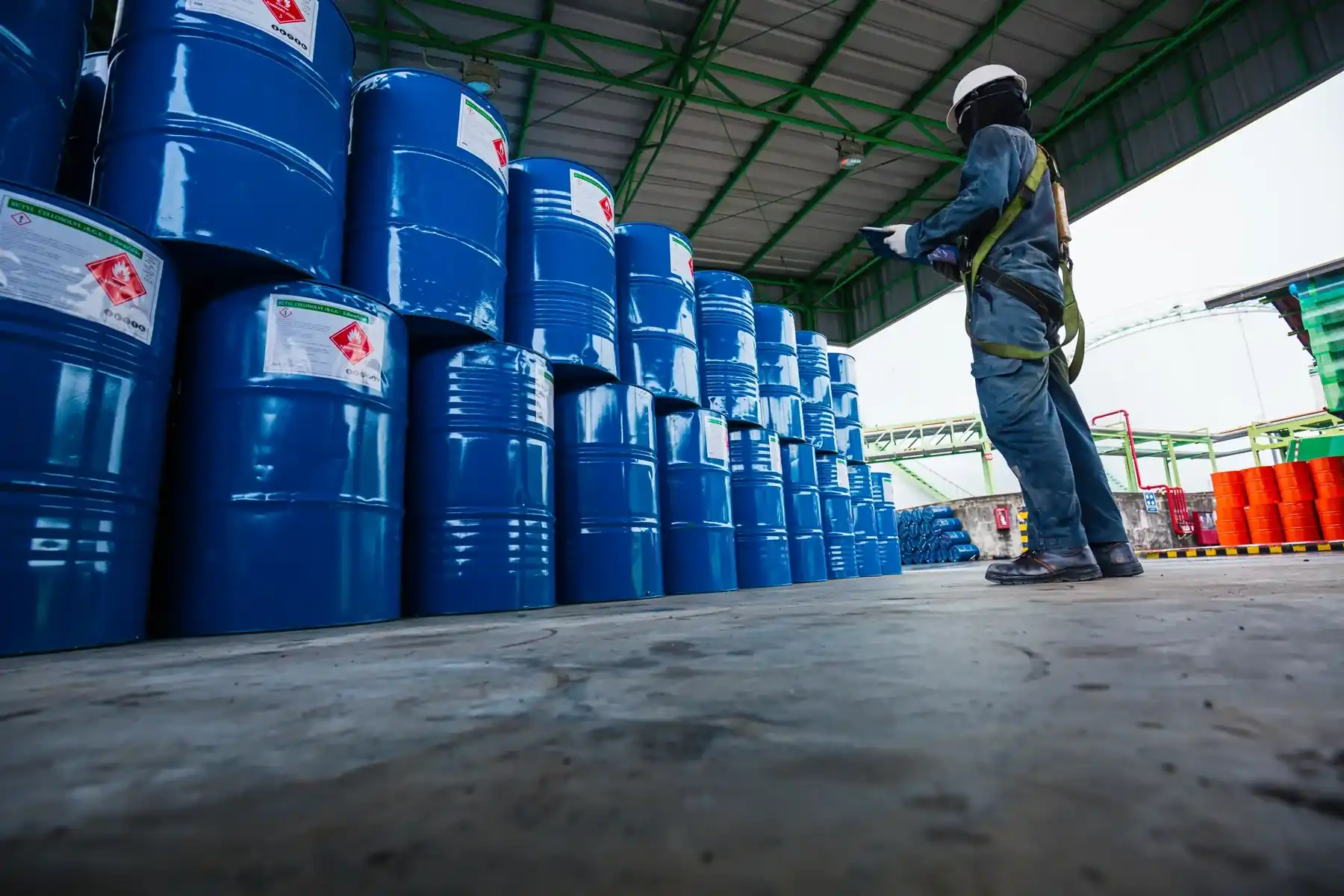
For organisations that are not producers, the practical questions are usually about storage, segregation and documentation. Old equipment left in a yard or warehouse can be damaged, which makes recycling harder and can create a hazard. Keeping WEEE dry and separate from general waste protects both the material value and the people handling it.
Hazardous WEEE and consignment notes
Some WEEE is hazardous waste. Where that is the case, the movement paperwork depends on where the waste arises, and the receiving site must be authorised to accept it. England and Wales use hazardous waste consignment notes. Scotland uses special waste consignment notes, and Northern Ireland has its own hazardous waste arrangements. Cross-border movements should follow the requirements for the country of origin and the relevant receiving nation.
Classifying WEEE correctly matters because it determines the paperwork, the receiving site and the treatment route. A flat screen monitor, a fridge and a box of mixed small appliances do not follow the same path. Where a consignment contains more than one waste code, each must be recorded accurately.
We can help with hazardous WEEE projects where equipment needs to be separated, documented and sent to a suitably permitted facility.
Approved authorised treatment facilities and evidence
WEEE treatment must take place at a facility authorised for the activity it carries out. An approved authorised treatment facility (AATF) is an authorised treatment facility with additional approval to issue evidence notes for WEEE received on behalf of producer compliance schemes. Approved exporters can issue evidence for qualifying WEEE exports. That evidence forms part of the producer compliance system and supports traceability through the chain.
Documentation supports traceability. It does not, on its own, prove that every legal duty has been met. The duty of care sits with the waste holder, so it is worth checking that the receiving site is authorised for the specific waste you are sending and that the description on the paperwork matches what actually left your site.
Small WEEE separation in Wales
Welsh workplace recycling rules require workplaces to separate all small WEEE for collection. The rule is not limited to unsold stock. Hazardous waste is outside the workplace recycling separation regime and remains subject to the relevant hazardous waste controls.
Small WEEE covered by the Welsh workplace recycling rules should be kept separate from general waste and other recyclable streams for collection. If you operate across the border, do not assume the same rule applies in England, Scotland or Northern Ireland. Check the position for each nation where you hold equipment.
Practical decisions for site teams
Most WEEE problems come down to a few decisions made early:
- Whether the item is waste or still usable stock, because that changes the rules that apply.
- Whether the item is hazardous, which requires classification rather than assumption.
- How the equipment will be stored before collection, including protection from rain and damage.
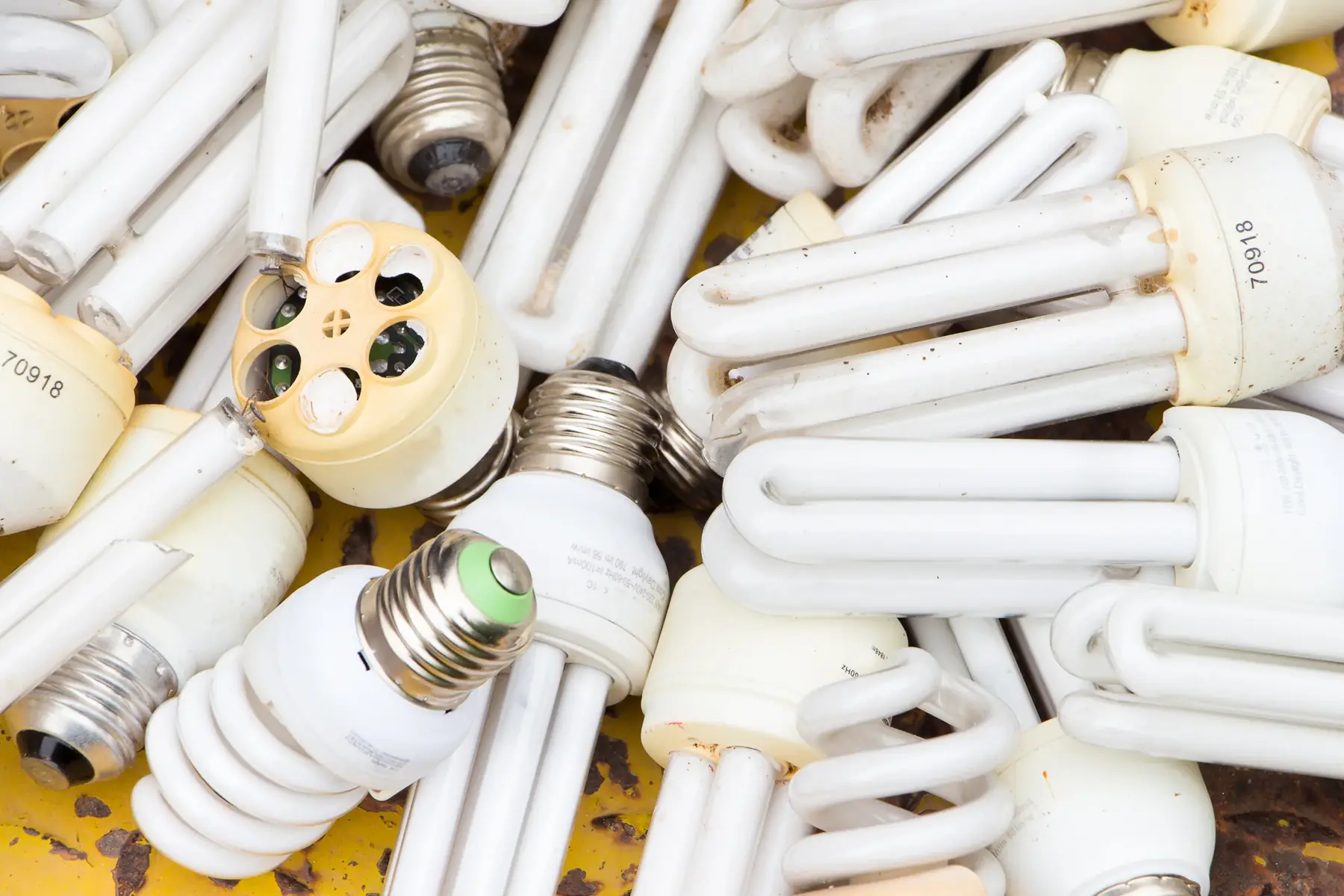
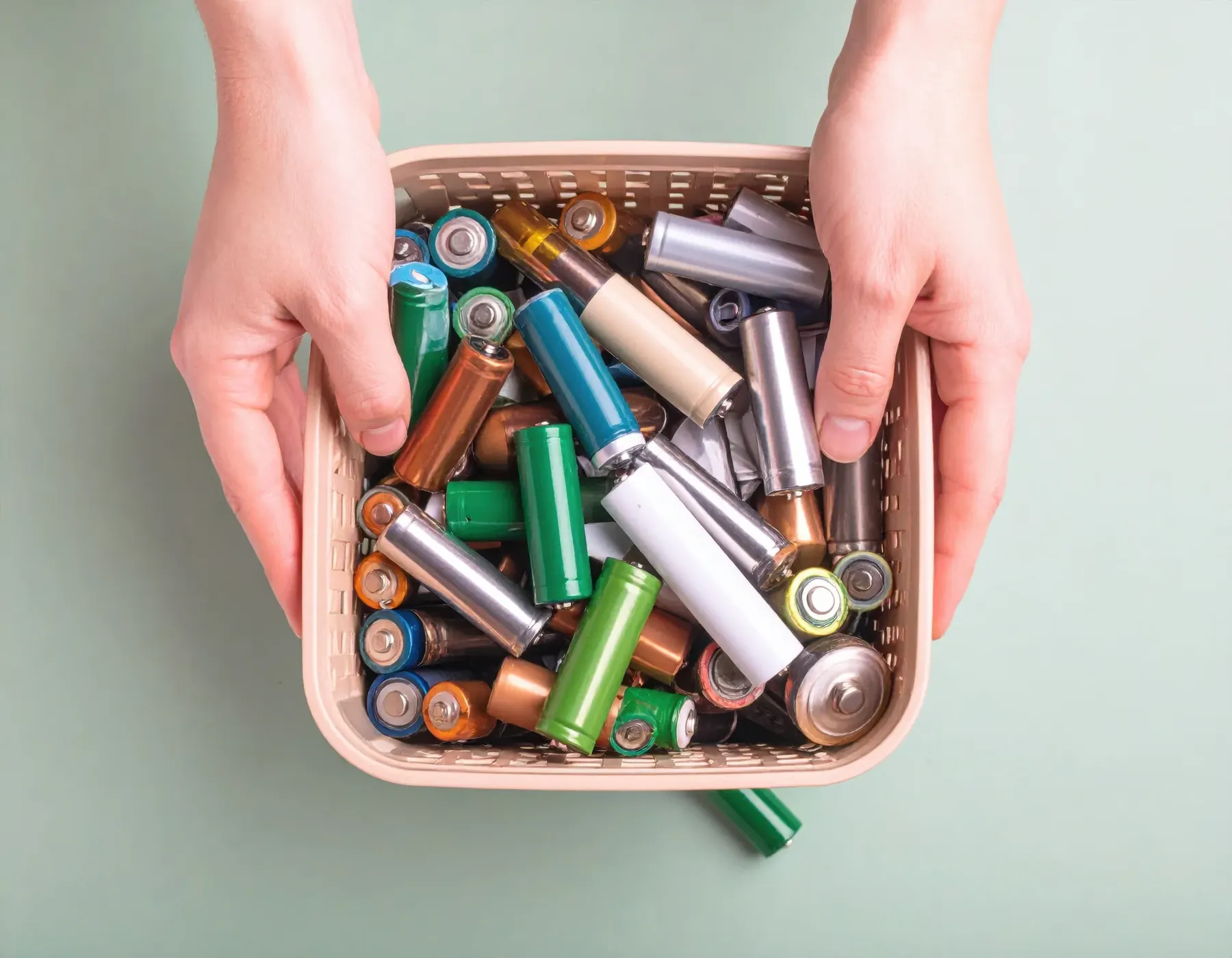
- Whether batteries and lamps need removing and handling separately.
- What evidence you need to keep, and for how long, to show the waste went to an authorised destination.
Data-bearing equipment adds another layer. Drives, memory and SIM cards may hold personal or commercial information. Destruction of data is a separate matter from waste treatment, and it should be agreed in writing before equipment leaves your control.
Keeping records that hold up
Waste transfer notes and consignment notes should describe the waste accurately, name the correct parties and be signed by someone authorised to do so. A common weakness is a vague description such as mixed electrical waste, which does not tell the receiving site or the regulator what was actually moved.
Records are more useful when they connect to the physical reality of the site. If a collection note says twelve items but the container held forty, the paperwork is not reliable. Photographs, counts and a consistent labelling system reduce that gap.
We can help with WEEE recycling projects, including segregation planning and the documentation that supports traceability. For sites dealing with mixed industrial waste alongside WEEE, our industrial waste disposal and hazardous waste management pages cover the wider picture. If your site also handles packaging, simpler recycling explains how the dry recycling duties interact with WEEE separation.
Where the regulations meet other duties
The WEEE Regulations sit alongside the waste duty of care, hazardous waste rules and health and safety law. Where equipment is dismantled on site, the work may involve confined spaces, sharp edges, stored energy or refrigerant release. That work is competent specialist work, not a general maintenance task. The Confined Spaces Regulations 1997 and the Management of Health and Safety at Work Regulations 1999 set the framework for assessing that risk.
Classification follows the Environment Agency’s waste classification technical guidance, which sets out how to assess waste and assign the correct codes. The waste duty of care code of practice explains the duties that apply to anyone who produces, carries, keeps, treats or disposes of controlled waste in England and Wales.
If you are unsure whether a particular item is hazardous, do not guess from the item name alone. Keep it segregated as appropriate and obtain the information needed for classification before choosing the paperwork and treatment route.
Free online tool
Waste Duty of Care Checker
Review common waste paperwork and collection questions relevant to your site.
Common questions
Frequently asked questions
Does the WEEE Regulations 2013 apply to my business?
It depends on your role. Producers of electrical and electronic equipment have registration, reporting and take-back duties. Businesses that produce or hold WEEE as waste have duty of care obligations and must send it to an authorised destination. The detail differs between England, Wales, Scotland and Northern Ireland.
Is all WEEE hazardous waste?
No. Some WEEE is hazardous because of the substances it contains, such as refrigerants, batteries or certain components. Others are non-hazardous. You cannot decide from the item name alone. Classification follows the technical guidance and the specific materials present.
What is new-for-old take-back?
For household WEEE, distributors have like-for-like take-back duties unless they use an approved alternative scheme. Business WEEE is different: producer financing can apply in specified cases, including certain replacement equipment, and alternative arrangements may be agreed between the producer and business end-user.
What is an AATF?
An approved authorised treatment facility is an authorised WEEE treatment facility with additional approval to issue evidence notes through the producer compliance system. That evidence supports traceability of the material but does not by itself prove that every legal duty has been met.
Does Wales have different WEEE rules?
Yes. Welsh workplace recycling rules require workplaces to separate all small WEEE for collection, not only unsold stock. Hazardous waste is dealt with under separate hazardous waste controls. Do not assume the same rule applies in England, Scotland or Northern Ireland.
Request a quote
Complete the form and we will get back to you.