
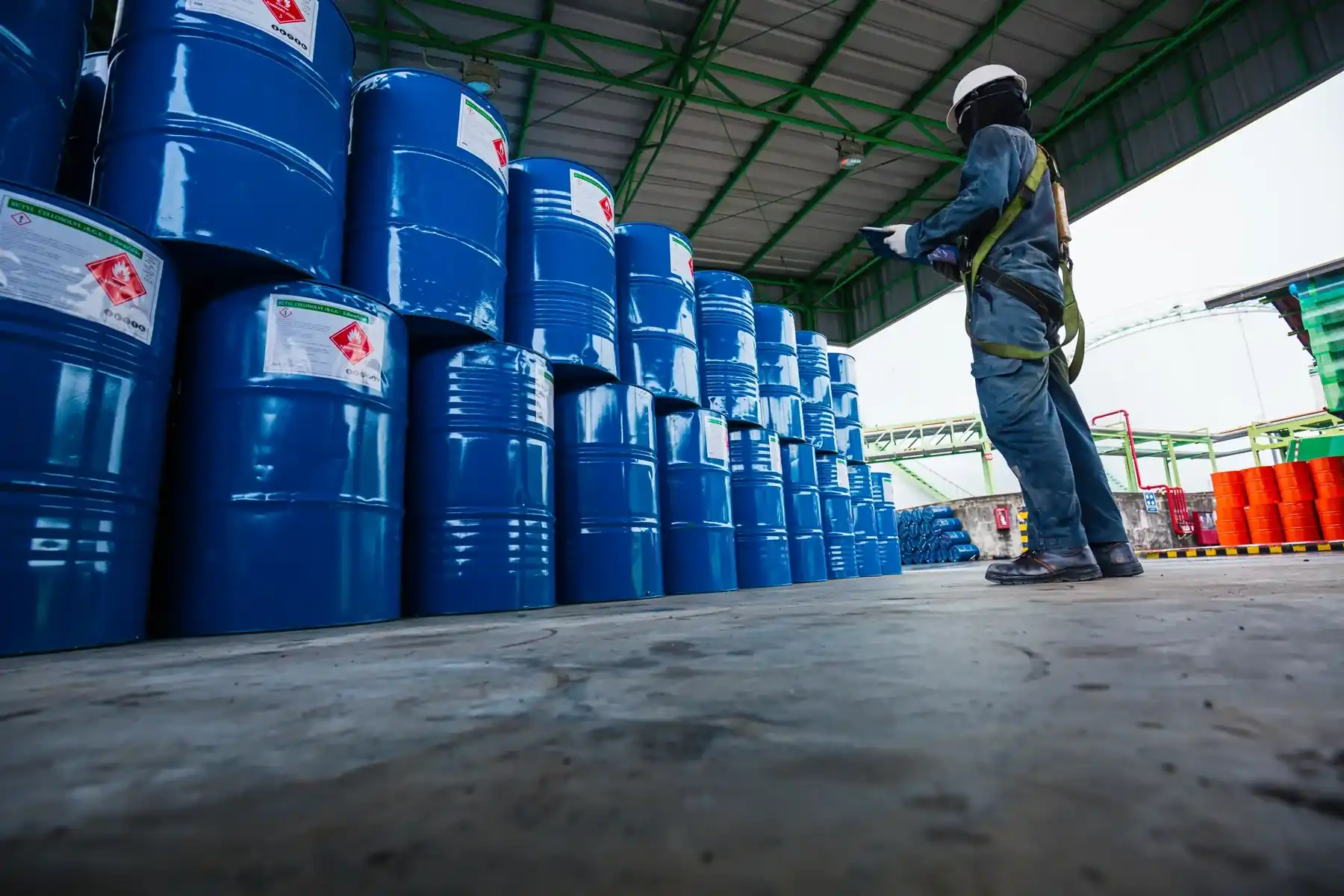
Waste services for industry
Guides and Information
Waste decisions go wrong when the paperwork, the classification or the container choice does not match what is actually in the skip. These guides explain the rules and the practical detail behind common waste tasks, so you can plan with clearer questions and fewer assumptions.
Waste Transfer Note
What a waste transfer note must contain, when a season ticket applies, how long to keep records, and how the UK nations differ.
View detailsSimpler Recycling
What Simpler Recycling requires in England, with a practical comparison to the separate workplace recycling rules in Wales, Scotland and Northern Ireland.
View detailsDigital Waste Tracking
Phased digital waste tracking rules for UK permitted sites, carriers and producers, with dates, data duties and practical preparation.
View detailsWaste Carrier Licence
How waste carrier authorisation works across the UK, how to check a carrier, and England's planned move to waste controlling or transporting permits.
View detailsWEEE Regulations
How the WEEE Regulations 2013 affect UK businesses, covering producer duties, hazardous WEEE, take-back and AATF evidence.
View detailsWaste Management Plan
Guidance on building a site waste management plan: inventory, segregation, responsibilities, paperwork and review for industrial and construction sites.
View detailsWaste Hierarchy
A plain guide to the waste hierarchy for industrial sites, covering the five steps, legal duties and how hierarchy choices affect cost and reporting.
View detailsChoosing Waste Management Companies in the UK
Compare waste management companies by service model, permits, insurance, reporting and contract terms before you sign.
View detailsWhat these guides cover
Most waste problems start with a mismatch. A container is booked for a material that turns out to be classified differently. A transfer note describes the contents in a way that no longer matches the load. A recycling target is set without checking whether the material stream can actually be separated on site. The guides in this section deal with those gaps in plain language.
They are written for people who have to make a decision: a facilities manager booking a collection, a site supervisor clearing a unit, or an operations lead reviewing what leaves the yard each month. Each guide explains the subject itself, the questions that matter and the limits of what any single document or survey can tell you.
We can help with the work described in these guides, from classification support through to collection and disposal planning. The guides do not replace a quote, a site assessment or a conversation with the relevant regulator where one is needed.
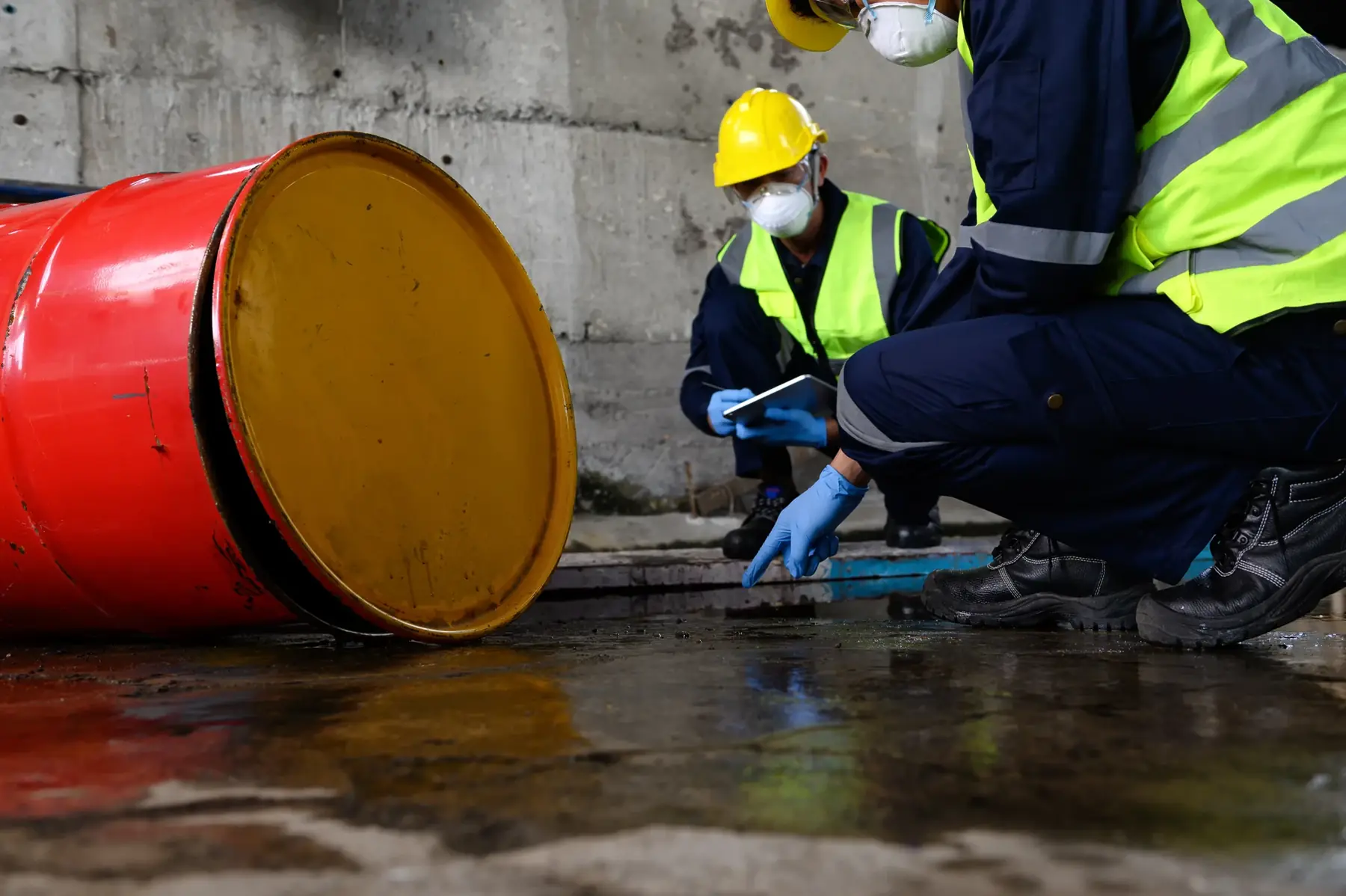
Waste classification and documentation
Classification is the foundation. Get it wrong and everything downstream, from the container to the transfer note, is built on a weak base.
Waste is generally considered hazardous if it, or the substances it contains, are harmful to humans or the environment. That is a broad test, and it is not the same as saying a material is hazardous because of its name alone. A waste stream needs to be assessed against the technical guidance, which looks at the composition, the form and the relevant entries in the List of Waste codes.
Our guide to hazardous waste management explains how classification feeds into storage, transport and consignment. The waste transfer note guide covers what the document is for and why the description on it has to match the load. Waste documentation supports traceability. It does not, by itself, prove that a waste operation is legally compliant.
The Environment Agency’s waste classification technical guidance is the reference document behind this work. It is detailed and assumes some chemistry knowledge, which is why classification is often a specialist task rather than a box-ticking exercise.
Duty of care and legal responsibilities
The duty of care applies to anyone who imports, produces, carries, keeps, treats or disposes of controlled waste, or who acts as a dealer or broker with control of it. In England and Wales it sits under section 34 of the Environmental Protection Act 1990. Failure to comply is an offence, and fixed penalty notices can be issued in some cases.
Scotland and Northern Ireland have their own codes of practice. If you operate across borders, you need to follow the code for each nation where the waste is handled, not just the one where your head office sits.
The duty of care code of practice sets out what is expected in practical terms. Our waste duty of care checker produces a nation-specific checklist of the questions to work through. It is a prompt, not a regulatory certification.
Related guides include the waste carrier licence and the waste management plan, which deal with the paperwork and planning side of keeping records in order.
Recycling, recovery and landfill diversion
The waste hierarchy puts prevention first, then reuse, recycling, other recovery and disposal last. In practice, most sites are working somewhere in the middle of that order, trying to move material up the hierarchy without creating new problems.
Recycling rates depend on what can be separated cleanly. A dry mixed recycling stream works when the material is dry, reasonably clean and free of contamination. Cardboard, plastic film and mixed containers behave differently and may need separate containers. Our guides to industrial recycling and zero waste to landfill explain how those streams are built and where the practical limits sit.
Material-specific guides cover scrap metal, cardboard, pallets, plastics and WEEE. Each has its own handling requirements, and some, such as waste electrical items, carry separate obligations under the WEEE Regulations.
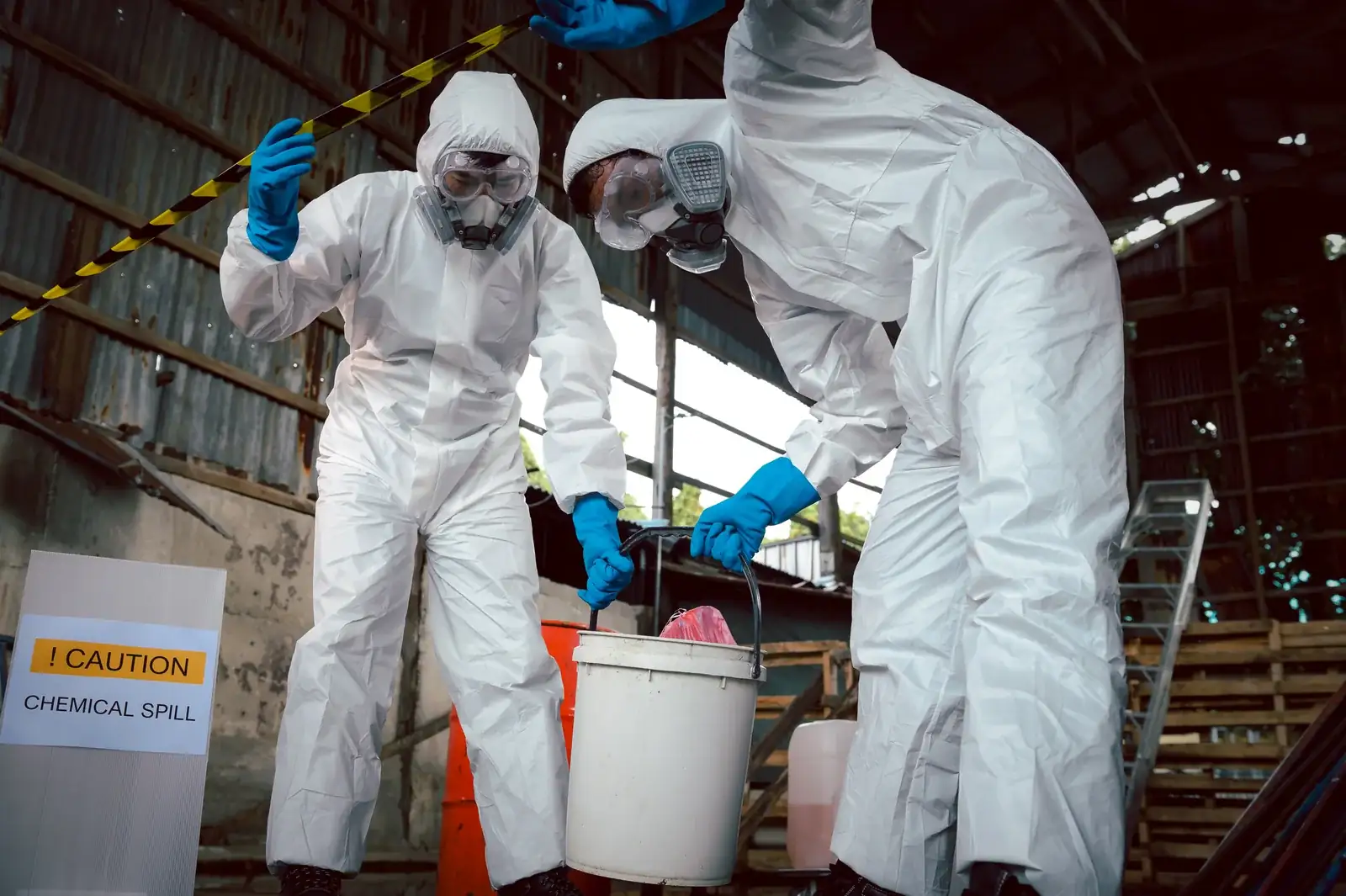
Liquid, oily and specialist waste
Liquids are awkward because they cannot be tipped into a general container and left. A settlement tank can look full of water while most of its usable volume is occupied by sludge. The removal method depends on the settled layer, access and what can happen to the liquid above it.
Our liquid waste disposal guide covers tankering, treatment and the questions that shape a quote. Waste oil disposal deals with oils, oily water and the difference between edible and non-edible oils. Dewatering a liquid waste does not by itself show that the remaining waste is non-hazardous, and waste acceptance criteria testing does not replace classification. Those are separate steps with separate purposes.
Where work involves tanks, pits or other confined spaces, the Confined Spaces Regulations 1997 require the risks to be assessed and entry avoided where possible. This is competent specialist work. The HSE guidance on confined spaces sets out the framework, and no guide should be read as a substitute for a proper assessment.
Containers, equipment and site logistics
Container choice affects cost, access and how often a site needs servicing. Roll on roll off skips suit bulky loads and demolition arisings. Commercial skips suit smaller volumes. Compactors and balers change the economics of high-volume, low-density waste such as cardboard or plastic film.
Our guides to roll on roll off skip hire, waste compactor hire and cardboard balers explain how each option behaves on site, including the space, power and access each one needs. A baler that does not fit the loading bay is not a saving.
Waste audits and site investigations
The same principle applies to waste audits. A waste audit records what is produced, where it arises and how it is currently managed. It gives you a factual base for decisions. It does not, on its own, certify that a site meets every obligation.
Using these guides well
Read the guide that matches your situation, then check the specifics against your own site. Volumes, access, contamination and the nation you operate in all change the answer. Where a price is involved, only a real quote based on your details is meaningful. The drivers are usually volume, frequency, container type, material, access and the treatment route.
If you are not sure which guide applies, the services overview and the sector pages show how the work is grouped. For anything involving classification, hazardous material or confined space entry, treat the guide as background and arrange a proper assessment before work starts.
Free online tool
Waste Duty of Care Checker
Review common waste paperwork and collection questions relevant to your site.
Common questions
Frequently asked questions
Do these guides replace a site assessment or a quote?
No. They explain the subject and the decisions involved so you can ask better questions. Volumes, access, contamination and the nation you operate in all affect what is suitable, and a price only means something once it is based on your actual details.
Can I classify waste as hazardous from its name alone?
No. Waste is generally considered hazardous if it, or the substances it contains, are harmful to humans or the environment, but the assessment looks at composition, form and the relevant List of Waste entries. A name on its own does not give a definite classification.
What does a waste audit tell me?
A waste audit records what is produced, where it arises and how it is currently managed. It provides a factual base for decisions, but it does not by itself certify that a site meets every waste obligation.
Does dewatering make a liquid waste non-hazardous?
No. Removing water changes the volume and handling, but it does not by itself show that the remaining waste is non-hazardous. The remaining material may need to be reassessed, and waste acceptance criteria testing does not replace waste classification.
Request a quote
Complete the form and we will get back to you.