Clean plastic packaging and plastic containers contaminated with hazardous chemicals cannot automatically enter the same recycling stream. In England, the correct waste route depends on what remains in or on the container, not simply on the type of plastic used to manufacture it.
This distinction affects plastic bottles, drums, tubs and intermediate bulk containers (IBCs) used across manufacturing, storage and industrial distribution. Two containers made from the same polymer may require different handling because of their previous contents.
What makes plastic packaging clean or contaminated?
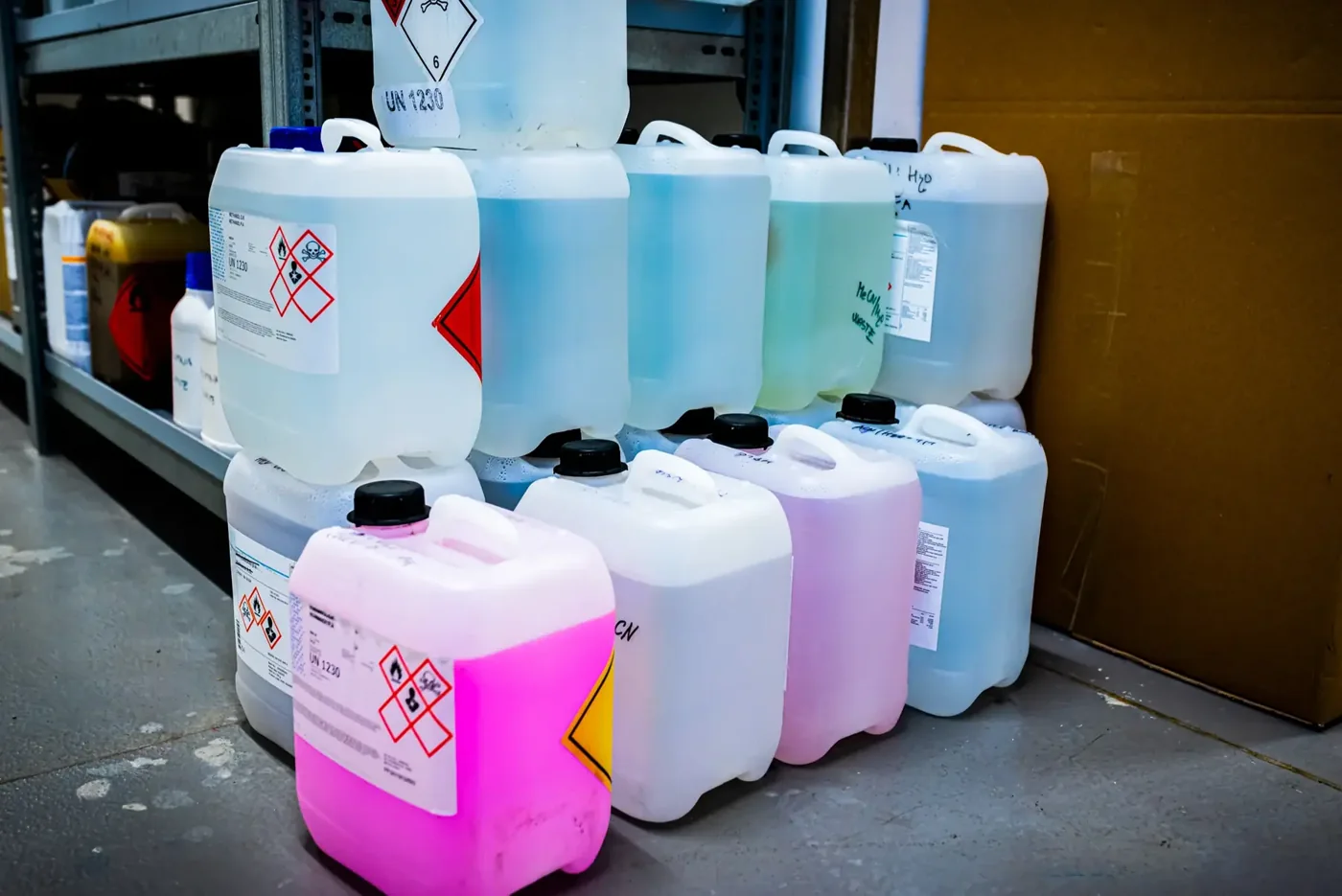
For waste classification, clean packaging is different from packaging that retains hazardous chemical residue. A container can look empty while still carrying contamination on its internal surfaces.
The Environment Agency’s packaging waste classification guidance gives code 15 01 02 for clean plastic packaging. It also identifies empty packaging contaminated with hazardous substances as hazardous waste under code 15 01 10*.
Empty packaging contaminated with non-hazardous substances can remain within the non-hazardous plastic packaging classification. The word ‘contaminated’ therefore does not, by itself, establish that every container is hazardous. The nature of the residue matters.
For factory buyers, the classification decision needs to follow the actual packaging condition. A recycling symbol, colour or polymer marking does not replace that assessment.
Why the previous contents matter more than appearance
Industrial packaging is often standardised. The same type of plastic drum might be purchased for different ingredients, additives or process chemicals. Once those products have been used, the resulting waste packaging can have different characteristics.
Three practical examples show the distinction:
- Clean plastic packaging: An empty container without hazardous contamination may be suitable for a non-hazardous packaging collection route.
- Packaging with non-hazardous residue: The previous contents and packaging condition still need identifying, but the relevant classification may remain non-hazardous.
- Packaging with hazardous chemical residue: Even after its usable contents have been removed, the empty container falls within the hazardous packaging classification.
Reliable product identification is particularly important where similar containers are used across different manufacturing departments. The original product label, available safety data sheet and production records can help establish what a container held.
Unidentified containers should not be assumed clean simply because they have been stored in a general packaging area.
How should plastic IBCs and drums be assessed?
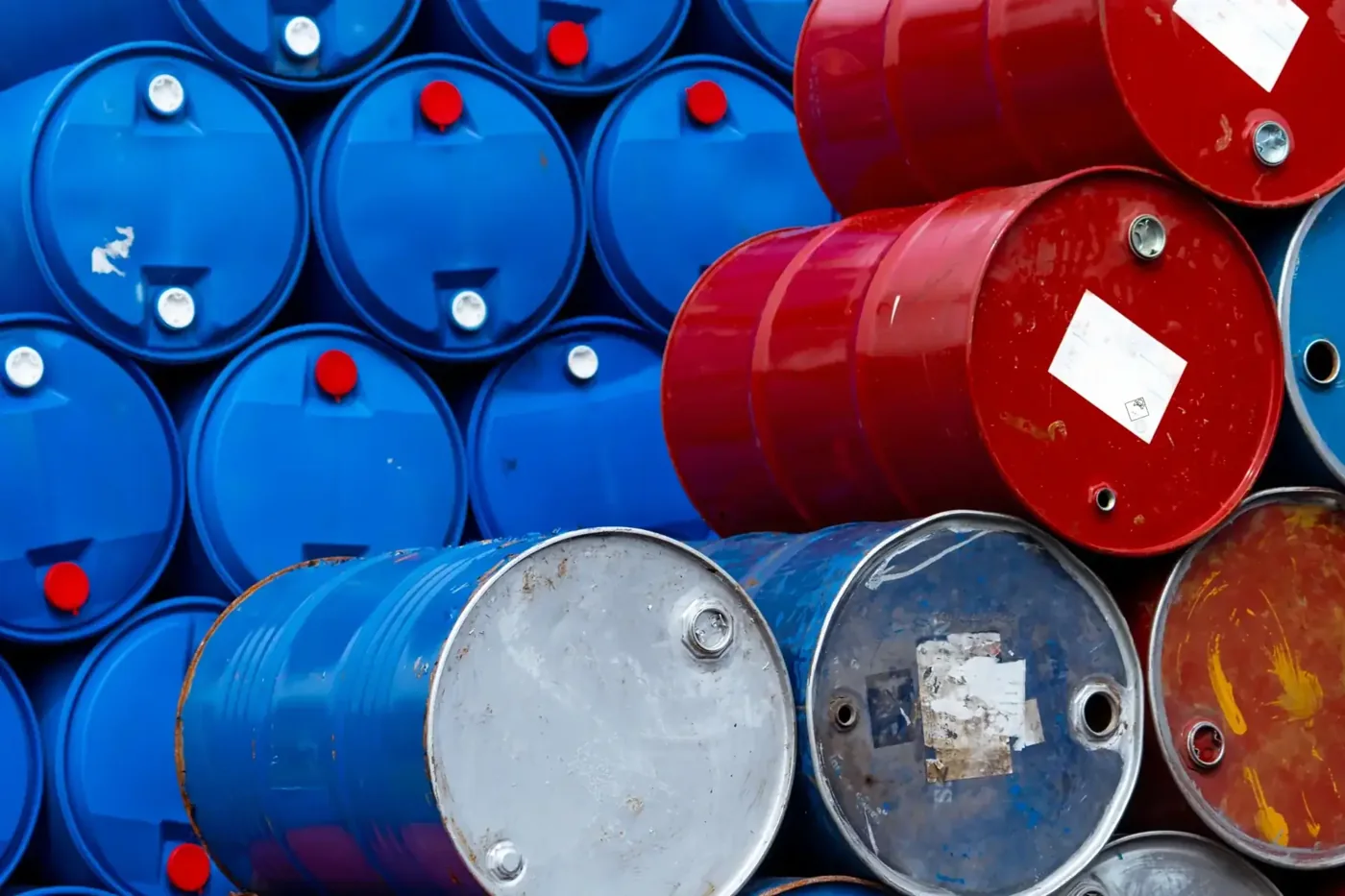
Plastic IBCs and drums require the same basic distinction between empty packaging and remaining product. The Environment Agency explicitly includes IBCs and drums among its examples of packaging that may retain hazardous substances.
Where a container still holds discarded chemical liquid, that material needs to be identified and assessed. It should not automatically be recorded as empty plastic packaging merely because the container is no longer required.
For empty IBCs, the residue question also applies to associated components. Caps, valves and other product-contact surfaces may retain material that is not obvious when viewing the container from outside.
The intention to recycle the plastic does not change the need for correct classification before collection. Any subsequent recovery route must be suitable for the waste actually presented.
Keeping recyclable plastics separate from contaminated packaging
Once the waste classification is established, the site still needs to consider whether the plastic is suitable for the intended collection. A non-hazardous waste code does not, on its own, mean every plastic container will be accepted in the same recycling load. Container construction, material type and the receiving operation’s acceptance requirements can also affect the arrangement.
For example, a site may generate clean plastic bottles and tubs alongside larger industrial drums and composite IBCs. These are not necessarily suitable for one collection merely because their packaging is non-hazardous. A composite IBC can also contain different materials, so its complete construction needs considering rather than assuming every component follows the plastic stream.
Three practical measures help preserve the distinction:
- Keep classified streams identifiable. Separate packaging with hazardous residues from non-hazardous plastic packaging before it enters shared storage.
- Check what the collection accepts. Confirm the relevant plastic packaging types and whether drums, tubs or composite IBCs need different arrangements.
- Retain product information. Keep previous-content identification available so collected packaging can be accurately described.
Where a factory produces substantial quantities of clean plastic packaging alongside a smaller hazardous contaminated stream, dedicated labelled storage areas can make both collections easier to manage without treating all plastic as one waste category.
Sites reviewing their broader plastic waste management arrangements should therefore consider both the recyclable material and the previous contents of industrial packaging. Correct separation begins with understanding the container, rather than treating every plastic item as equivalent waste.