Compare business waste collection quotes by matching the waste streams, container capacities, collection frequencies and charging conditions, not simply the advertised monthly price. Two suppliers can offer very different arrangements for the same premises. A cheaper quote may include fewer collections, smaller containers or different rules for excess waste.
The most useful approach is to prepare one collection brief and ask each provider to price against it. That makes the operational differences visible before you commit to an arrangement that may need changing after the first busy month.
Start with what your business actually produces
List the waste generated across the premises, distinguishing routine workplace materials from specialist industrial waste. An office, warehouse and staff canteen may share a building but create different collection requirements.
For each stream, record its source, typical amount, current container and how quickly the container fills. Include quieter periods and predictable peaks, such as delivery days or seasonal trading. Where reliable weights are unavailable, document container sizes, approximate fill levels and collection frequency rather than inventing tonnages.
Useful categories include:
- Residual waste from offices, washrooms and general workplace activities.
- Paper and cardboard from deliveries, administration and packaging.
- Accepted plastic, metal and glass recyclables.
- Food waste from staff and customer areas.
- Bulky discarded items that require occasional removal.
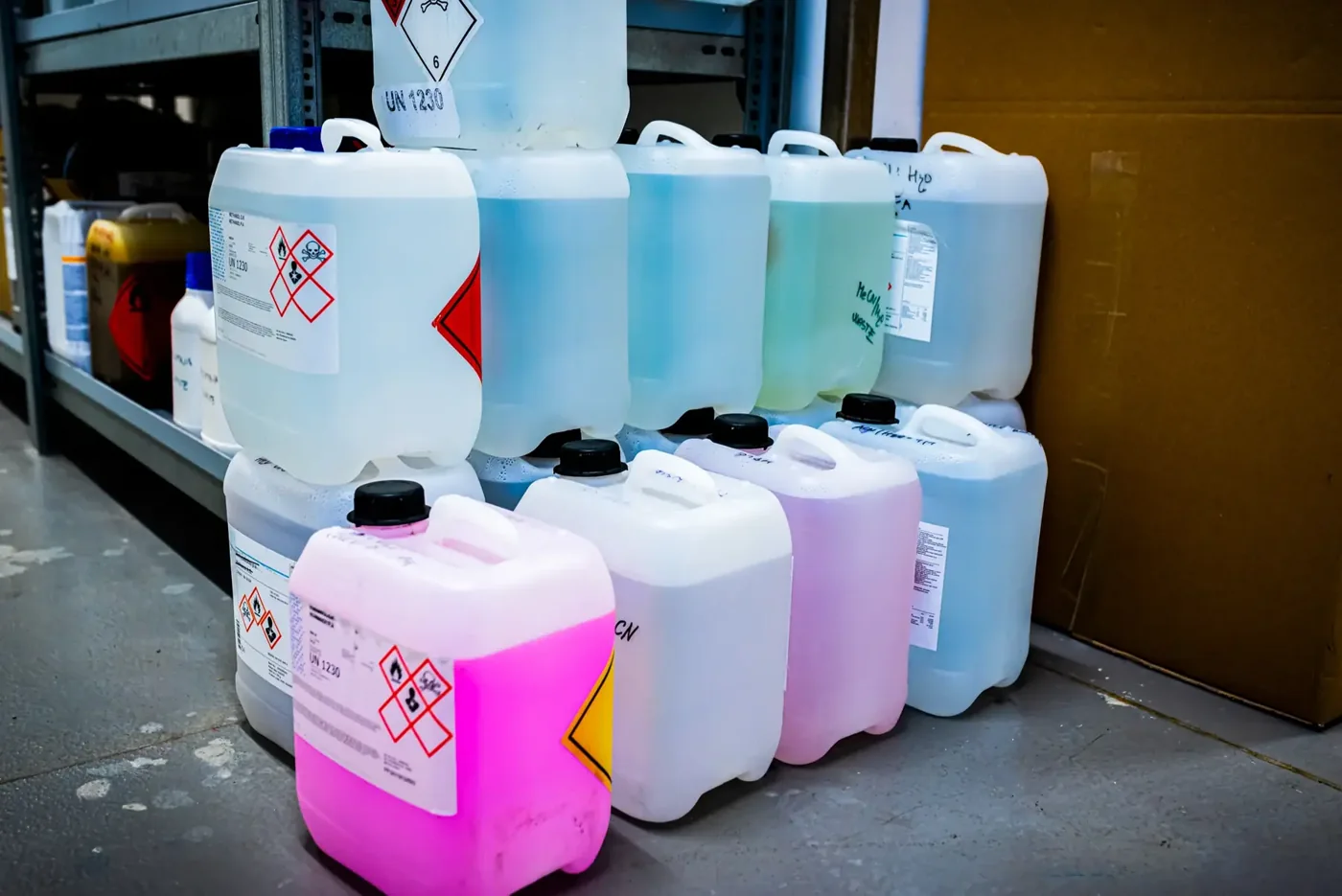
- Process-related or potentially hazardous waste requiring a separate assessment.
The last category should not automatically be included in an ordinary workplace collection quotation. Its classification and receiving arrangements may differ substantially.
Compare the proposed recycling arrangements
In England, Defra’s workplace recycling guidance requires qualifying workplaces to separate dry recyclables, food waste and residual waste. These requirements applied from 31 March 2025, with qualifying micro-firms having until 31 March 2027. The rules concern material separation, not simply the number of bins shown on a quotation.
Paper and card must normally be collected separately from plastic, metal and glass. A collector may combine them under the specified conditions supported by a written co-collection assessment. Ask precisely what the proposed containers accept and whether that assessment applies where relevant.
A proposal for mixed recycling should identify the included materials and their acceptance conditions. It should not be interpreted as permission to put every recyclable-looking item into the same container. Review the requirements through our Simpler Recycling information when preparing the collection specification.
Compare container capacity and frequency together
A large container emptied infrequently is not necessarily equivalent to a smaller container emptied more often. The arrangement affects storage space, internal handling, collection access and the likelihood of waste accumulating between visits.
For example, a premises generating steady residual waste might accommodate fewer collections with a larger container, provided suitable space exists. A business experiencing concentrated delivery peaks may need collections timed around those peaks instead.
Ask each provider to state the container type, usable capacity, number of scheduled lifts and arrangements for requesting additional collections. Check whether collection frequency can be adjusted and whether the price changes if the actual waste pattern differs from the initial estimate.
The quotation should also identify the agreed positioning of containers. A theoretically suitable bin is of limited value if it obstructs a loading area or cannot be accessed on collection day.
Identify charges that change the real contract cost
Request an itemised quotation showing the regular service and any charges that could arise outside normal operation. Do not compare one supplier’s inclusive total with another supplier’s basic collection rate.
Clarify these items in particular:
- Container provision, rental, delivery and removal.
- Scheduled collections and any separate disposal or treatment charges.
- Charges based on weight, excess material or additional lifts.
- Contamination, rejected loads and attempted collections.
- Changes in collection frequency or container specification.
- Minimum terms, notice periods and contract variations.
Not every supplier uses the same charging structure. A lower fixed charge may be appropriate where the expected service is predictable, but it should not be treated as a complete cost comparison until the variable elements are understood.
Check the documentation and receiving arrangements
Waste collection is more than removing a container. Under the waste duty-of-care code for England and Wales, a business must take reasonable steps to ensure waste is transferred to an appropriately authorised person and accurately described.
Ask how the provider’s registration will be verified, what information is needed to describe each stream and how transfer records will be supplied. For qualifying repeated non-hazardous collections, an annual season ticket may cover transfers of the same waste type involving the same carrier, supported by a schedule of actual movements.
Our waste transfer note guidance explains the records used for non-hazardous collections. Documentation should match the actual arrangement, not merely the commercial description used in the quote.
Use a comparison schedule rather than headline prices
Put each proposal against the same set of requirements. A compact comparison should include the following.
- Materials: Which waste streams and accepted items are covered?
- Capacity: What containers are provided for each stream?
- Service: How many collections are included and when do they occur?
- Cost: Which charges are fixed, variable or conditional?
- Records: What collection evidence and transfer documentation will be available?
- Changes: How can the arrangement be amended as waste volumes change?
If one proposal omits food waste or cardboard while another includes both, correct the comparison before choosing a preferred supplier. An apparently cheaper proposal may simply describe less work.
What should you agree before accepting a quote?
Confirm the waste descriptions, collection location, container positioning, agreed frequencies and charging conditions in writing. Establish who at the premises will report missed collections, changes in waste composition or additional requirements.
Choose a review point after enough normal operations have taken place to assess whether the original estimates were realistic. Compare actual container use, collection records and any additional charges with the agreed specification. Where a service needs changing, establish which part of the original assumption proved inaccurate.
For businesses bringing several routine waste streams into one coordinated arrangement, our commercial waste management services provide a starting point for discussing the material types, collection requirements and site information needed for a quotation.