
Waste services for industry
Pallet Collection
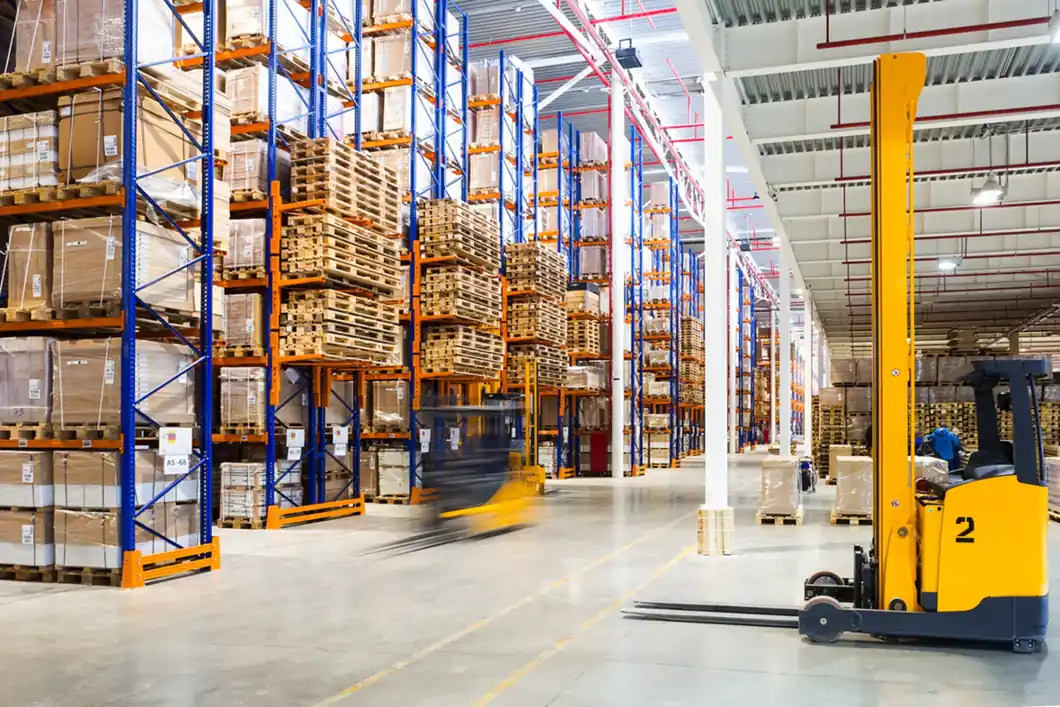
Pallets accumulate quickly on busy sites, and the mix of reusable, repairable and broken timber decides what happens next. We can help with pallet collection and wood waste recycling, including the practical choices around segregation, storage and collection frequency.
Why pallet collection needs a plan
Busy yards can accumulate pallets quickly. Some are suitable for reuse or repair, while others are damaged or contaminated and need a waste route. Pooled or returnable pallets may still belong to another organisation, so ownership should be checked before disposal. Separating these groups early makes the stock easier to manage.
Stored pallets add combustible material to a site, so their location and quantity should be considered in the site’s fire risk assessment and housekeeping arrangements. We can help with pallet collection and the wood waste recycling decisions that sit around it.
Pooled pallets and returnable pallets
Many pallets in circulation belong to a pooling system rather than to the site that received them. These are usually marked or branded, and the pool operator expects them back. Putting pooled pallets into a waste skip can create a cost and a contractual issue, because the pool owner may charge for replacements. It is worth checking markings before anything is tipped.
Returnable pallets can also be supplied under an agreement with a customer, haulier or pallet owner. If a pallet is traceable to another party, check the return arrangement or obtain authority before treating it as waste.
Wood grades and what they mean for recycling
Waste wood suppliers may use commercial grades such as A to D, but the definitions are not a substitute for legal waste classification and can vary between receiving facilities. Clean, untreated packaging wood may have different reuse or recycling routes from painted, treated or contaminated wood. The actual material and the receiving facility’s acceptance criteria should be checked before a route is agreed.
Whether a particular load is hazardous depends on what the wood contains, and that cannot be decided from a grade name alone. Treated timber covers products with different chemical histories, so material that may contain hazardous substances needs appropriate assessment before it is mixed with cleaner wood.
Segregation on site
Keeping clean pallets apart from treated, painted or contaminated timber helps preserve the available reuse and recycling routes. Mixing different wood streams can reduce the options available and may affect the cost of collection or treatment.
Segregated skips or containers work well where volumes justify them. For smaller or irregular volumes, a single wood container with a clear rule about what can go in may be enough. Labels and simple signage help, but the bigger factor is where the containers sit. If the clean wood skip is a long walk from the loading bay, mixed waste is what tends to happen.
Roll on roll off containers suit larger sites with regular arisings, while smaller skips or wheeled bins can work for lower volumes. The choice depends on how much wood is produced, how often it needs emptying and whether the container can be accessed by the collection vehicle. See roll on roll off skip hire for the larger end of that range.
Collection frequency and storage
Wood waste builds up in bursts, often tied to deliveries or production runs. A fixed weekly collection may be too often in quiet periods and not enough during a busy spell. On-call collections can help, provided someone is responsible for monitoring the container and arranging an empty before it overflows.
Storage matters as much as frequency. Pallet stacks need to remain stable, and wet timber is heavier and may affect handling or acceptance. Keeping stacks tidy, limiting height and leaving access for the collection vehicle all reduce the chance of a problem. Where wood is stored inside, fire precautions and housekeeping should reflect the volume involved.
Wood waste from manufacturing and packaging
Factories, warehouses and distribution sites produce wood in different forms. Packaging pallets are the obvious one, but there are also crates, cable drums, offcuts from joinery or assembly, and damaged racking or timber from maintenance work. Each has a different reuse or recycling potential.
Clean offcuts can sometimes be reused on site or passed to another user. Crates and drums may be repairable. Mixed timber from maintenance is more likely to need a waste route. Separating these streams at source gives the best chance of keeping material in higher-value recycling. Our warehouse and logistics waste management page covers the wider picture for distribution sites.
Documentation and duty of care
Wood waste is controlled waste, and the duty of care applies to anyone who produces, keeps, carries or disposes of it. That means using an appropriately registered waste carrier, keeping the required paperwork and being able to show what happened to the material. Waste transfer notes support traceability, though they do not by themselves prove that everything was handled correctly.
For treated or potentially contaminated timber, classification may be needed before disposal. The Environment Agency’s waste classification technical guidance sets out how that assessment works. Where hazardous properties are possible, the rules on disposing of hazardous waste apply, and those differ across England, Wales, Scotland and Northern Ireland. The duty of care code of practice for England and Wales is published by Defra and the Environment Agency.
Choosing a collection arrangement
There is no single best setup for pallet collection. A site producing a few pallets a week has different needs from one producing several containers a day. Useful questions include how much of the wood is reusable, whether pooled pallets are mixed in, what grades are present and how quickly the material needs to leave site.
It also helps to know where the wood will go. Reuse, repair, panel board, biomass and energy recovery are all possible destinations, but each accepts different material. Matching the grade to the route avoids sending clean pallets down a lower-value path. We can help with pallet collection, wood waste recycling and the segregation arrangements that make both work.
Free online tool
Waste Duty of Care Checker
Review common waste paperwork and collection questions relevant to your site.
Common questions
Frequently asked questions
Can pooled pallets go into a wood waste skip?
Pooled pallets usually remain the property of the pool operator and may be subject to return arrangements. Check the markings and the applicable agreement before treating them as waste or authorising collection.
What do wood grades A to D mean?
They are commercial shorthand used by parts of the waste wood market, but definitions can vary between suppliers and receiving facilities. They are not a substitute for legal waste classification, so the actual material and the receiving site's acceptance criteria need to be checked.
Is treated timber always hazardous waste?
No. Treated timber covers many products with different chemical histories, and hazardous classification depends on what the wood actually contains. That cannot be decided from a name or a grade label alone, so assessment may be needed before disposal.
How often should pallets be collected?
It depends on how quickly they build up. Some sites need a regular weekly or fortnightly service, while others do better with collections arranged when the container is full. The important thing is that someone monitors the container and arranges an empty before it overflows.
Why does segregation matter for wood waste?
Mixing clean pallets with painted, treated or contaminated timber can reduce the reuse and recycling routes available and may affect cost. Keeping different wood streams apart at source makes the collection easier to assess.
Request a quote
Complete the form and we will get back to you.