Clean scrap metal and oil-contaminated metal should not automatically be placed in the same collection. Oil contamination can change the waste classification and the recycling arrangements, particularly where hazardous substances are present at levels that make the waste hazardous.
For engineering factories and industrial premises, the practical starting point is to establish which metal is uncontaminated and which has been exposed to oils, chemicals or other residues. The fact that both materials are made from steel or another recyclable metal does not make their waste status identical.
When is scrap metal considered clean?
Clean scrap metal is metal that is not contaminated in a way that changes its waste classification or prevents its intended recovery. Typical examples might include uncontaminated steel sections, removed metal components or offcuts from fabrication processes.
Its precise waste code depends on where the material originated and the applicable classification category. It should not be assumed that every type of clean industrial metal uses the construction and demolition waste codes.
For construction and demolition sources in England, the Environment Agency lists uncontaminated iron and steel under code 17 04 05, aluminium under 17 04 02 and mixed metals under 17 04 07.
Separating identifiable metal types can also make the material easier to describe and assess for the receiving recycling route.
What changes when oil contamination is present?
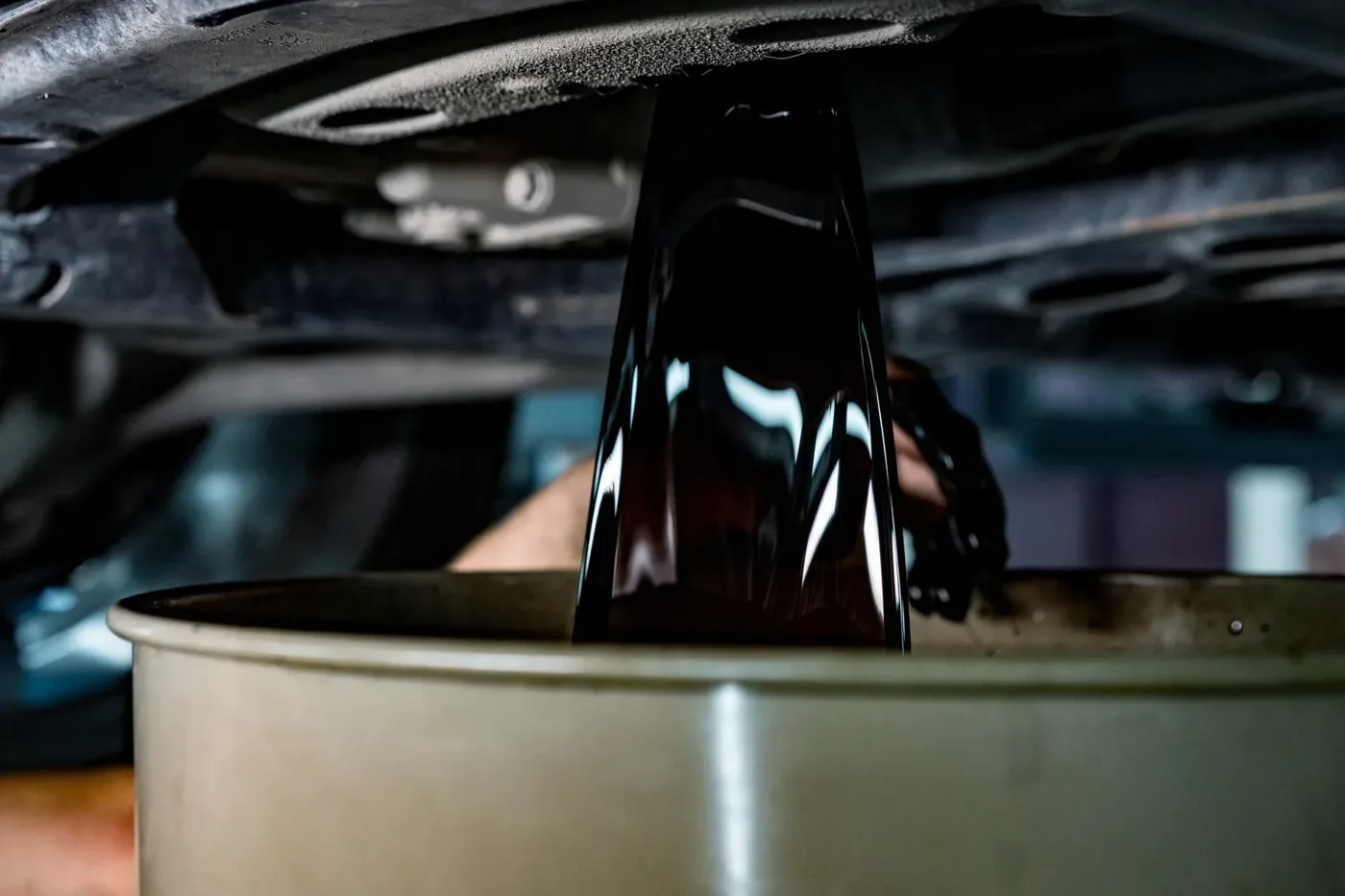
Metal can become contaminated through contact with lubricating oils, hydraulic fluids, fuels or other substances used in industrial operations. The degree and nature of contamination are important.
A small trace of residue does not establish the same classification in every situation. Equally, a metal item cannot simply be declared non-hazardous because most of its mass is recyclable metal.
The Environment Agency’s construction and demolition waste classification guidance identifies metals contaminated with hazardous substances under hazardous code 17 04 09*.
That code applies within the relevant construction and demolition waste category. Metal generated through a different industrial process may require assessment under another appropriate waste entry.
What matters is the actual waste origin, the contamination involved and the resulting hazardous properties, not simply the description scrap steel.
Why mixing the streams can create problems
Putting clean offcuts and oil-contaminated components into the same skip can make the whole load harder to classify and may prevent it from going through the intended metal recycling route. Keeping the materials separate allows each stream to be assessed against its own classification and acceptance requirements.
For example, an engineering site might accumulate clean steel sections alongside removed machinery components carrying significant oil residues. Although both contain recoverable metal, the receiving facility may need different information or handling arrangements for the contaminated components.
Mixing does not remove hazardous characteristics. If the resulting waste requires hazardous classification, the relevant controls apply to that waste.
Separate storage therefore provides a useful practical distinction while the contamination is assessed and the receiving route established.
Three decisions before arranging collection
1. Identify the material and its origin
Record whether the load contains steel, aluminium, mixed metals or other materials. Establish whether the waste arose from demolition, manufacturing, maintenance or another activity, since its source can influence the applicable code.
2. Assess the contamination
Determine what substances have contacted the metal and whether oil, chemical residues or coatings remain. Maintenance records, product information and relevant waste assessments can help establish the nature of contamination.
Where the substance or hazardous status is uncertain, further assessment may be necessary before selecting a collection stream.
3. Match the waste to an appropriate route
Clean metal and hazardous contaminated metal may require different receiving facilities, documentation and handling arrangements. The receiving facility must be authorised to accept the relevant waste classification.
For routine uncontaminated material, scrap metal recycling can be considered on the basis of metal type and quantity.
Where a load is identified as hazardous, the site’s hazardous waste management information provides context for a different collection requirement.
Keeping the recycling decision clear
Before collection, prepare separate descriptions for clean metal and potentially contaminated items. Record the metal type, generating process, approximate quantity, known contaminants and any available assessment or maintenance information.
The receiving facility can then assess each proposed stream against its acceptance criteria. If contaminated components cannot follow the clean scrap route, arrange an appropriate separately classified collection rather than adding them to the clean load.
Metal remains a potentially valuable recyclable material, but its composition alone does not override the requirements created by hazardous substances.