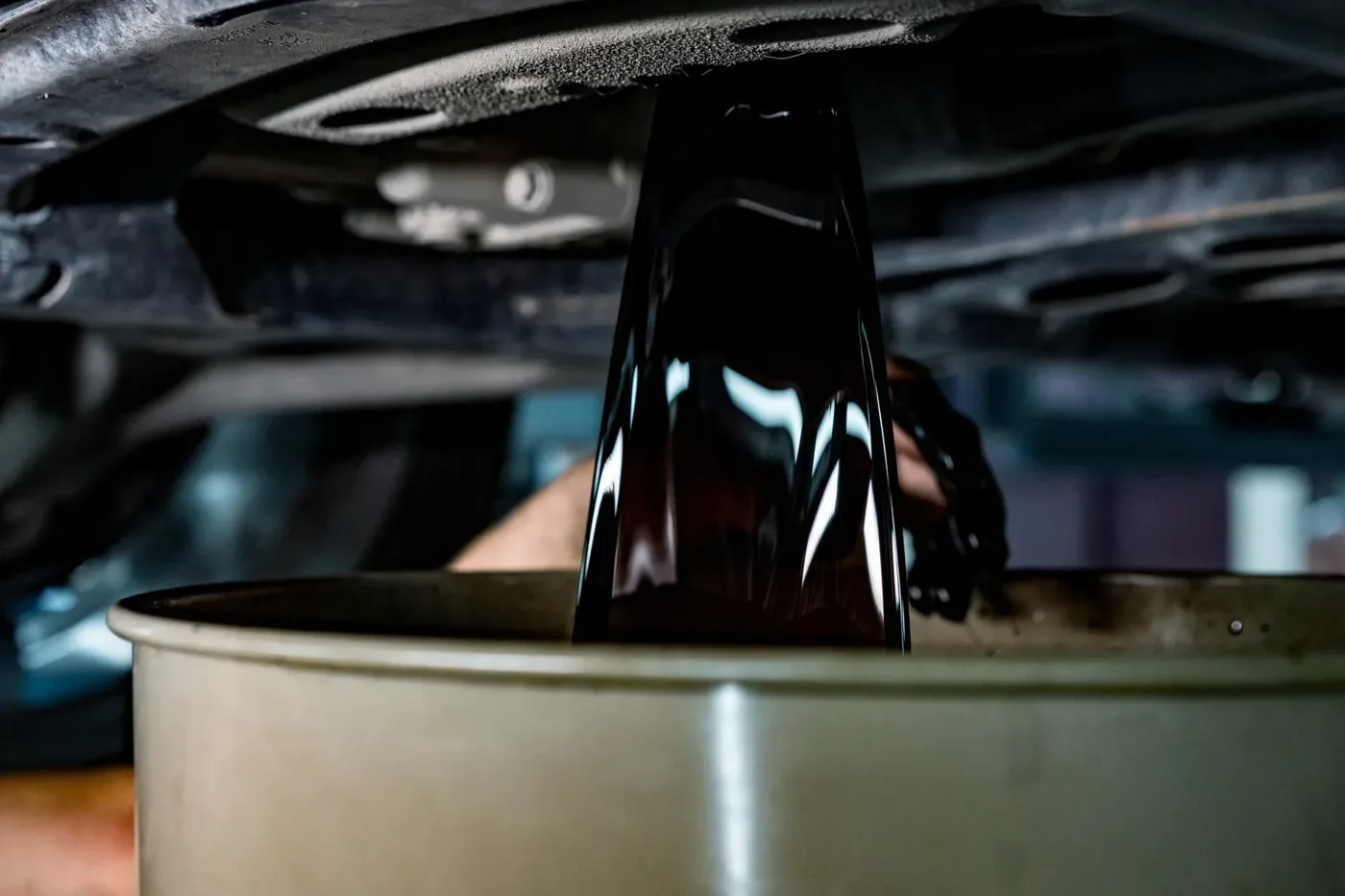
When an oil interceptor contains sludge, oily water and accumulated solids, each fraction needs to be identified and classified correctly before its collection and treatment route is agreed. In England, interceptor sludge, oily water and solid interceptor waste each have specific hazardous waste classifications.
These materials may originate from the same interceptor, but that does not make them a single uniform liquid. Their different physical characteristics affect the information needed for collection, the handling equipment used and the receiving treatment arrangements.
What collects inside an oil interceptor?
Oil interceptors are designed to separate certain contaminants from water passing through the system. Depending on the premises and the material entering the interceptor, the accumulated contents can include floating oil, oily water, settled sediment and other solids.
At an industrial site, transport depot or vehicle workshop, identifying these fractions helps establish what needs removing and how the collection should be arranged. A description such as dirty water does not adequately identify all the waste that may be present.
Interceptor sludge
Sludge is the heavier material that accumulates within the interceptor. It may contain sediment, fine particles and contamination associated with oils or other substances entering the drainage system.
The Environment Agency classifies interceptor sludge as hazardous waste under code 13 05 03*. Its consistency can range from a relatively mobile slurry to a much thicker deposit.
That consistency matters because the method suitable for removing water may not remove accumulated sludge effectively. The estimated sludge quantity and characteristics should be identified when planning collection.
Oily water
Oily water is a separate waste fraction consisting of water contaminated with oil. It may make up a substantial part of the material requiring removal, particularly where an interceptor has accumulated a large volume of liquid.
Oily water from an interceptor is classified as hazardous waste under code 13 05 07*. It should not be treated as ordinary uncontaminated water simply because the visible oil layer appears relatively small.
The volume of liquid influences the collection capacity required, while its composition affects the treatment route.
Solid interceptor waste
Interceptors may also contain solid material such as grit, debris or other accumulated residues. The Environment Agency identifies solid waste from interceptors under hazardous code 13 05 01*.
These solids are distinct from the sludge and oily-water classifications. A collection description should reflect which fractions are present rather than assuming the complete contents belong to one category.
Why the 13 05 waste codes matter
The Environment Agency’s official guidance on vehicle and oily wastes lists the interceptor classifications separately. The asterisk attached to each of these codes identifies hazardous waste.
Correct classification informs the documentation accompanying the waste, the receiving facility’s acceptance decision and the appropriate handling arrangements.
It also helps distinguish interceptor waste from separately collected waste lubricating oil, which can fall under other waste codes. The material’s source and composition are both relevant.
Planning a collection containing several fractions
Before arranging removal, useful site information includes:
- The location and approximate capacity of the interceptor.
- Whether the contents include sludge, oily water, solids or a combination.
- The estimated quantity requiring collection.
- Any known oil types, chemicals or unusual contaminants entering the system.
- Available maintenance records or previous waste documentation.
- Whether the interceptor has accessible information about its chambers and accumulated contents.
Where the quantities are uncertain, distinguishing between the interceptor’s total capacity and the actual volume of accumulated waste is particularly helpful.
Different fractions may require different handling or treatment even when removed during one collection operation. Separation at the receiving facility should not be assumed without confirming that the waste acceptance arrangements cover the collected material.
Choosing the waste removal route
The appropriate liquid waste disposal arrangement depends on the waste description, its hazardous classification and the actual volume and consistency of the contents.
Where a site also generates separately stored used lubricating oils, these should be distinguished from interceptor contents. The site’s waste oil disposal information addresses that different waste category.
For interceptor waste, a clear breakdown of sludge, oily water and solids provides a sounder basis for collection planning than describing the entire contents simply as oil waste.